




 Inglês (pdf)
 Artigo em XML
 Referências do artigo
 Tradução automática
 Enviar este artigo por email
 Citado por SciELO
  Similares em
SciELO
Similares em
SciELO 
 Permalink

Highlights
Innovative mixed-methods approach to understanding tourism perceptions in Lisbon.
Cultural heritage and ecological factors enhance Lisbon’s overall appeal.
Lisbon’s image influences future tourism intentions among university students.
Key attractions reinforce the city’s historical and cultural significance.
Sustainability challenges emerge in Lisbon’s destination image.
1. Introduction
In the context of an increasingly competitive global tourism landscape, the ability of destinations to differentiate themselves has become a strategic imperative (Baniya & Paudel, 2016). Consequently, identifying and understanding the determinants of tourist decision-making and destination preference has gained significant relevance for both academic research and destination management practices (Mwawaza et al., 2022; Njagi et al., 2017). Among the emerging segments influencing contemporary tourism trends, younger and highly educated individuals, such as university students, represent a group whose perceptions warrant closer examination. These individuals not only constitute a growing market segment but also contribute to shaping tourism narratives through their values, preferences and engagement with cultural and sustainable experiences (Severino et al., 2024). Responding to this need, the present study investigates the destination image of Lisbon from the perspective of university students residing in the city, considering them both as current consumers of the urban tourism experience and as potential future tourists.
Previous research has extensively conceptualized destination image as a multidimensional construct, integrating cognitive evaluations, affective responses and conative intentions (Beerli & Martín, 2004; Lee et al., 2023). This image is influenced by multiple stimuli, including media representations, cultural narratives and individual experiences, all of which shape tourists’ mental representations and expectations regarding a given place (Tocquer & Zins, 1999). Although a considerable body of literature has explored these processes in the context of general tourist populations or international visitors (Baniya & Paudel, 2016; Mwawaza et al., 2022; Reihanian et al., 2015), there remains a notable lack of research focused on how university students, particularly those embedded in a destination through their academic experience, construct their perceptions of place. This gap is especially significant in urban tourism contexts, where higher education institutions are integral to the socio-cultural dynamics of the region and may influence students’ affective and cognitive engagement with the destination.
This study departs from previous research by concentrating specifically on students from two higher education institutions in Lisbon, combining qualitative and quantitative approaches to assess their perception of the region. It builds upon recent work (Severino et al., 2024) suggesting that younger, educated individuals are highly responsive to emergent tourism trends and are particularly sensitive to cultural, historical, and sustainability-oriented aspects of destinations. By examining this group, the study seeks to reveal underexplored cognitive and emotional processes that shape destination image formation among an influential traveler segment.
The main objective of this research is to characterize the image of the Lisbon Metropolitan Area as perceived by university students, identifying the factors that contribute to its attractiveness and exploring potential differences across demographic profiles. The study offers a twofold contribution: first, it provides empirical insights into an often-overlooked yet increasingly relevant target group for tourism development; and secondly, it advances theoretical understanding by integrating cognitive and affective dimensions within the destination image framework, while also extending the push-pull motivational paradigm (Dann, 2022). Ultimately, the findings aim to inform the design of more targeted, authentic, and sustainable tourism strategies aligned with the expectations of younger generations of travelers.
2. Literature review
2.1 Exploring pull factors in tourist attraction
The push-pull theory is a fundamental paradigm for understanding the dynamics of tourist travel and decision-making processes (Dann, 2022). This theory explains the relationship between internal motivators, or push factors, that compel individuals to travel, and the external appeal of destinations, known as pull factors (Mody et al., 2014; Prayag & Hosany, 2014; Uysal et al., 2008; Ward, 2014).
Pull factors, specific to each destination, include subjective visual representations, past encounters, and accessible information (Brown & Chalmers, 2003; Lin et al., 2007). In heritage travel, motivation plays a significant role in influencing tourist engagement, experience, and overall perception of cultural locations (Su et al., 2020). Factors such as aesthetic, historical, educational, and social dimensions enhance the attractiveness of heritage sites, offering clean air, breathtaking landscapes, cultural significance, and recreational opportunities (Barton et al., 2009). Tu (2020) emphasizes intrinsic reasons like personal development, physical well-being, social connections, and cultural enhancement, highlighting the distinctive emphasis of heritage tourism on cultural advantages.
Pull factors, or aspects of the destination, such as tourist sites, historical attractions, entertainment facilities, and activities promoting environmental conservation, align with sustainable urban tourism principles (Crompton, 1979; Yuan & McDonald, 1990). These factors attract tourists by fulfilling their inherent desires and psychological requirements, drawing them towards travel (Rita et al., 2019).
The selection of a travel destination is influenced by personal desires and the appeal of specific tourist attractions or the overall attractiveness of the destination (Meng et al., 2008). The dualistic model of travel motivation, incorporating both pull and push dynamics, explains these travel choices (Pesonen, 2012; Zhang & Peng, 2014). Pull factors are primarily related to unique cultural sites, rich historical backgrounds, and various leisure amenities. Additionally, there is a solid commitment to preserving urban tourist sites and promoting eco-conscious activities, aligning with responsible urban travel principles (Andreu et al., 2000; García-Hernández et al., 2017; Miller et al., 2014; Romão et al., 2015).
Urban tourist attractions vary significantly from city to city, each offering its own attractions influencing its appeal. These attractions include cultural events, nightlife, shopping, festivals, historical sites, sustainability efforts, entertainment, museums, and gastronomy, which are essential in creating a lively and attractive destination (Bozic et al., 2017; Miller et al., 2014; Wu & Wall, 2017). Gunn's model analyzes the characteristics contributing to a city's tourism attractiveness, suggesting that variables attracting visitors and urban assets are crucial for understanding a tourism destination from the visitors' perspective (Gunn, 1997). Studies confirm that historic centers, cultural dynamics, and environmental features act as pull factors, significantly enhancing a city's appeal to tourists (Kozak, 2002; Sirkis et al., 2022).
There is a scarcity of research specifically focused on the characteristics that make the Lisbon Metropolitan Area attractive to people. Nevertheless, specific findings are noteworthy. A study on perceptions and realities of Lisbon explored the variables influencing individuals to visit the Lisbon Metropolitan Area Area and their perceptions of the region. According to the analysis, the most commonly stated attractions were "History and Heritage", followed by "Cultural Attractions", "Weather and Climate", "Local Cuisine", and "Panoramic Views and Landscapes" (Severino et al., 2024).
2.2 Components and impacts of a destination image
The concept of destination image encompasses individuals' overall perceptions, thoughts and impressions about a specific region (Chu et al., 2022). This image includes not only objective information and subjective perceptions but also imaginative elements and personal sentiments that individuals or groups may hold towards a place (Stylidis et al., 2017). The perception of a destination is generally described in terms of two core dimensions: i) the cognitive component, which refers to individuals' beliefs and evaluations about a destination’s tangible attributes such as climate, infrastructure and landmarks, and ii) the affective component, which relates to their emotional responses and sentiments toward that place (Kim et al., 2019).
Building on this foundational understanding, destination image has been widely recognized as a complex and multidimensional construct, deeply explored in tourism literature. Tasci et al. (2007) explain that image is shaped through a dynamic interaction between internal psychological processes and external stimuli. This complexity has led to the identification of typologies such as organic, induced and autonomous images (Gunn, 1997). Organic images are formed through informal sources like personal experiences or word-of-mouth, induced images stem from promotional efforts, and autonomous images derive from independent media or cultural products. These different image layers continuously interact, influencing tourists’ expectations and satisfaction (Echtner & Ritchie, 2003). According to Baloglu and McCleary (1999), the formation of destination image is conditioned by personal factors including age, education and prior experience, as well as stimulus factors such as marketing content and media exposure. This makes the process both individualized and context-dependent (Chu et al., 2022; Stylidis et al., 2017).
To explain how destination image is structured and influences behavior, several conceptual models have been developed. Among the conceptual models proposed, the Cognitive-Affective-Conative model (Lin et al., 2007; Pike & Ryan, 2004) stands out for its hierarchical structure. The cognitive dimension refers to beliefs and knowledge, the affective dimension captures emotions, and the conative dimension relates to behavioral intentions, such as the willingness to visit or recommend the destination. This model has been validated across different contexts and supports the idea that image not only reflects what individuals think and feel about a place but also guides their behavioral decisions (Prayag & Ryan, 2012; Stylidis et al., 2021). Recent studies propose integrative approaches, combining destination image with related constructs such as place attachment, visitor engagement and perceived authenticity (Kim et al., 2019; Su et al., 2020). These frameworks highlight that destination image is not a static representation, but a relational and evolving construct shaped by personal motivations, cultural meanings and lived experiences (Pike, 2002; Tasci & Gartner, 2007).
The image a destination conveys can significantly influence not only travel choices, but also broader decisions related to investment, relocation or heritage preservation (Anholt, 2010; Gartner, 1993). As a result, understanding how external observers perceive a given location has become a strategic concern for destination managers (Tasci & Gartner, 2007). Ideally, the projected image should align with reality to meet visitor expectations and avoid the formation of negative stereotypes (Avraham & Ketter, 2008; Miranda & Dias, 2020). When discrepancies between perception and reality occur, it becomes essential for destination stakeholders to detect and address them effectively.
In the Portuguese context, the concept of destination image holds particular importance, given the centrality of tourism to the national economy (Cardoso et al., 2023; Montenegro et al., 2014). Cognitive and affective perceptions of Portugal’s natural, cultural and historical resources play a vital role in shaping tourist behavior and decision-making (Wei et al., 2024). A consistent and accurate image not only enhances satisfaction and loyalty but also strengthens the country's competitive positioning (Moreira, 2018). Recognizing and mitigating mismatches between projected and perceived images, especially among different visitor segments, can foster more effective branding and sustainable growth.
Focusing more narrowly on the case of Lisbon offers additional insight into how these dynamics unfold at a regional level. Costa et al. (2020) examined residents’ perceptions of tourism in the Lisbon Metropolitan Area, finding generally positive views about economic and cultural impacts, but also concerns about crime and cultural degradation. These findings reinforce the need for destination management strategies that integrate the perspectives of both visitors and host communities. In a more recent study, Severino et al. (2024) explored perceptions of Lisbon’s image and found a strong appreciation for its cultural and historical attributes but also noted dissatisfaction with the upkeep of certain attractions. Such perceptions can have a tangible effect on the city’s image and tourism appeal, highlighting the importance of continuous monitoring and enhancement of the destination’s offer.
3. Methodology
The main objective of this study is to investigate how university students perceive the destination image of the Lisbon Metropolitan Area (LMA). Although the participants are current residents of Lisbon due to their studies, the research focuses on understanding their perceptions as higher education students in the fields of tourism and management, many of whom are likely to engage in tourism professionally or as future tourists. This approach provides insights into how academically informed individuals assess the destination's image, combining both experiential familiarity and disciplinary knowledge.
To accomplish this, a mixed-methods research design was employed, incorporating qualitative and quantitative components to ensure depth and triangulation of the results (Davies, 2003). The study was conducted in collaboration with two higher education institutions in Portugal: Escola Superior de Ciências Empresariais of Instituto Politécnico de Setúbal, in Setúbal, and the Escola Superior de Hotelaria e Turismo do Estoril, in Estoril. Data collection occurred between September 2023 and April 2024.
The sample consisted of undergraduate, and master’s students enrolled in tourism and management programmes, reflecting a segment of young adults who both study and temporarily reside in Lisbon. Although not tourists per se, their dual position as residents and students of tourism makes their perspective particularly valuable in evaluating destination image from an academically informed yet consumer-relevant standpoint.
Participation was voluntary, and the sample was non-random, based on convenience sampling. No formal sample size calculation was performed, as the study relied on voluntary participation among students present during scheduled activities.
In the qualitative phase, participants engaged in a visual induction task using a set of 15 photographs representing diverse locations across the LMA. These images were carefully selected by the researchers to ensure territorial representativeness, covering a range of urban, historical, coastal and cultural landmarks from across the LMA`s municipalities. All 15 images were shown to each participant in the same order, displayed sequentially for 5 to 10 seconds each. Participants were asked to write down a single word for each image, capturing their immediate and intuitive reaction.
This exercise aimed to gather spontaneous affective and cognitive responses to the region’s visual identity. The data were analyzed using word cloud visualization techniques (Ye et al., 2019), which enabled the identification of dominant perceptions and emotional associations by highlighting frequently mentioned words.
Following the qualitative task, the same participants were invited to complete an online questionnaire administered through institutional platforms. The survey aimed to identify and rank the most significant pull factors associated with the LMA. These pull factors were derived from a review of relevant literature on tourism attractiveness in Portugal (Albernaz, 2023; Barreira et al., 2017; Miranda & Dias, 2020; Sarra et al., 2015; Severino et al., 2024; Silva, 2021; Vareiro & Mendes, 2019). Participants selected, from a predefined list, the factors they believed most influenced tourist motivation to visit the region. The questionnaire also collected basic sociodemographic data, including age, gender, education level and income level.
Quantitative data were analyzed using descriptive statistics, enabling the identification of the most frequently selected attributes and their relative importance. The results were presented through graphical charts and tables to support the interpretative analysis.
By combining spontaneous visual perceptions with structured survey data, this study provides a multi-layered perspective on how Lisbon is viewed by a group of academically engaged individuals. Their dual status as residents and students offers a unique lens through which to interpret destination image. Although they are not tourists in the traditional sense, their educational background and future involvement in the tourism industry make their views highly relevant for planning, branding and strategic marketing efforts aimed at younger, educated audiences.
The dataset comprises 301 valid entries representing the participants that took part in both phases of the study. Concerning age, the distribution shows that the majority of respondents are young adults. There is a heavy skew towards the 18-25 age group, which comprises nearly 90% of the sample. The gender is relatively balanced, 153 respondents (50.8%) are women, and 144 respondents (47.8%) are men. There was a small percentage opting not to disclose their gender. The income distribution reveals a significant concentration of respondents in the lower income bracket. Two-thirds of the respondents (66.1%) report an income below 500€ and 20.9% report an income between 501€ and 1.000€.
Overall, the dataset is characterized by a young, almost evenly gender-balanced, with most respondents earning less than 500€ per month. This demographic profile suggests potential economic challenges faced by the majority of the sample, which is predominantly composed of young adults.
4. Results
4.1 Visual perceptions of the LMA
Given the participants' characteristics, a carefully curated set of fifteen images was selected to assess their perceptions of the LMA, aiming to represent various facets of this area in Portugal. Several distinct locations within the LMA were chosen, as indicated in table I, and participants expressed their initial perceptions of each image as they analyzed them.
Table I Summary of the visual representations used to gather the understanding of the LMA, Portugal.
| Order | Image | Description |
| 1 | Rua Augusta Arch | Triumphal arch located in the southeast part of Rua Augusta, in Lisbon. The image shows the arch itself, with the cable car passing in front of it. |
| 2 | Palmela Castle | Castle located in Palmela, in the district of Setúbal. The image exposes the monument in its entirety, from a point of view that allows observing the surrounding nature. |
| 3 | MAAT | Museum of Art, Architecture and Technology in Lisbon, with a more current design and trend. The image shows a plan that captures its upper part and proximity to the Tagus River, with several visitors around it. |
| 4 | Praça do Comércio | Historic square in downtown Lisbon, located next to Tagus River. The image shows a close-up of the Rua Augusta Arch, with many people passing by. |
| 5 | Jerónimos Monastery | Portuguese monastery in Manueline style (Portuguese Gothic), located in Belém, in the city of Lisbon. The image shows part of the monument, with a long queue to enter. |
| 6 | Cabo de Espichel | Cape next to the Atlantic Ocean, with dizzying heights, located in Sesimbra. The image shows a view of the Cape, along with the fullness of the ocean. |
| 7 | Livramento Market | Main market for agricultural and fish products in the Setúbal region. The image demonstrates commercial activity, with traders and buyers. |
| 8 | Albarquel Urban Park | Urban Park, next to the Arrábida mountain range, located in the city of Setúbal. The image shows several people on a terrace, overlooking the Atlantic Ocean. |
| 9 | Glória Elevator | Elevator that connects Baixa de Lisboa with Bairro Alto, located in the historic center of Lisbon. The image shows a cluster of people, with walls and the elevator itself covered in graffiti. |
| 10 | Carcavelos Beach | Beach located in the Cascais region, bathed by the Atlantic Ocean. The image exposes trash present in the sand, with few bathers present. |
| 11 | Palácio da Pena | Palace that represents one of the main expressions of Romanticism in Portugal, located in Sintra. The image shows the different colors that the Palace has, with a queue of people to enter it. |
| 12 | Belém Tower | Tower near the Tagus River, with a Manueline style, located in Belém, in the city of Lisbon. The image shows a cluster of people sitting around it, with umbrellas and benches. |
| 13 | Tróia Beach | Beach that faces Serra da Arrábida, in Grândola. The image shows several people at the water's edge, with a view of the mountains. |
| 14 | Time Out Market | Food Hall located in Mercado da Ribeira, in Cais do Sodré, in the city of Lisbon. The image shows a large cluster of people eating meals. |
| 15 | Sao Jorge's Castle | Castle located on the highest hill in the historic center of Lisbon. The image shows the castle walls, with several picturesque houses around it. |
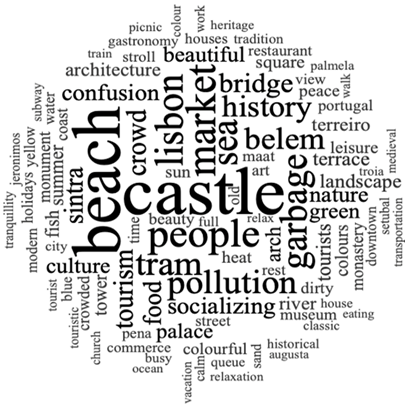
Upon careful examination of the lexicon employed, it becomes evident that there are certain discernible attributes that are particularly notable within the context of the LMA. The initial three words - castle, beach and market - emerged as a consequence of the presentation of two interconnected visuals that are included in the empirical section, or that promote their replication. However, given that these words occur more than 120 times, it indicates that the respondents' opinion of Lisbon is influenced by the specific terms used.
The word "castle", which occurs 230 times (4.57% frequency), emphasizes the substantial cultural and historical allure of castles in the region. This frequency implies that these architectural structures are significant points of interest, captivating a substantial amount of attention from students. Moreover, the word "beach" appears also frequently, with 218 mentions (4.33%), highlighting Lisbon's coastal charm and emphasizing its significance as a popular destination for sun and sea-related activities. This demonstrates that beaches have a crucial function in enticing people to the area.
The term "market" appears in third place more frequently, with 122 times (2.42% of the total), emphasizing the economic and social importance of markets in Lisbon. These markets function as dynamic hubs for trade, social engagement, and cultural interchange, underscoring their significance in the cityscape.
The frequent repetition of the word "people", 119 times (2.36%), highlights the lively and vibrant social atmosphere of Lisbon, emphasizing the busy presence of both local inhabitants and visitors. This highlights the existence of individuals and the social relationships that characterize the metropolitan setting of the LMA, which can be seen as a positive aspect but also has the potential to be detrimental, as it may contribute to overtourism.
The high frequency of the term "Lisbon", appearing 112 times (2.22% of the total), while it immediately conveys the depicted images to responders, it also underscores the relevance of the region, emphasizing the city's crucial position in the study and its notable geographical and cultural value. Nevertheless, the occurrence of the term "garbage" 107 times, accounting for 2.12%, highlights environmental apprehensions, suggesting problems associated with waste disposal and hygiene. This indicates a requirement for enhanced initiatives towards environmental sustainability in the area. The term "pollution", appearing 95 times (1.89% of the total occurrences), supports this viewpoint by highlighting concerns that may affect the general perception of Lisbon.
The term "tram", appearing 97 times (1.93%), highlights the significance of this transportation method in Lisbon, symbolizing its iconic position and importance in everyday travel and tourism. Yet in the word "Belém", which occurs 84 times (1.67%), it represents the spatial visualization in the observed image. Additionally, it refers to a separate district known for its historical and cultural landmarks, such as the Belém Tower and Jerónimos Monastery. This emphasizes its importance as a popular tourist spot. The frequent mention of "history", with 82 occurrences (1.63% of the total), highlights the region's abundant historical legacy, so augmenting its cultural allure.
The term "sea", appearing 106 times (2.10%), and "bridge", referenced 69 times (1.37%), emphasize the importance of the marine and infrastructural aspects that are essential to the region's identity and connectedness.
Additionally, the repeated mention of "tourism", occurring 65 times (1.29% of the total), emphasizes its significant role in Lisbon's economy. This highlights the diverse array of activities and attractions that draw tourists to the region and the substantial impact it has on the local population.
The term "Sintra", emerging 63 times (1.25%), also denotes a territory to which one of the palaces in the photographs belongs. This term further emphasizes the significance of Sintra as a neighbouring destination renowned for its picturesque landscapes and historical landmarks. This contributes to the overall appeal of the LMA.
The frequency of the term "food", appearing 58 times (1.15% of the total), emphasizes the gastronomic allure of Lisbon, indicating that gastronomy plays a significant role in the visitor's experience and increases the cultural appeal of the region. Yet, the term "socializing", appearing 54 times (1.07%), highlights the significance of social contacts and events in the region, showcasing the lively social atmosphere that defines Lisbon. On the other hand, the term "confusion", appearing 53 times (1.05%), suggests difficulties in exploring or comprehending the city, highlighting places where enhancements in information and organization could be advantageous.
The term "nature", which occurs 49 times (0.97%), emphasizes the existence of natural characteristics and scenic landscapes within and surrounding Lisbon, greatly improving the overall attractiveness of the region. The focus on nature is reinforced by the frequent use of the phrase "green", appearing 46 times (0.91%). This term draws attention to the presence of parks, gardens, and other green areas that improve the overall quality of life and environmental appeal in the city.
The word "beautiful" is used 47 times (0.93%) to highlight the aesthetic appeal of Lisbon, emphasizing the fascinating visual and sensual experiences that attract visitors. The phrase "landscape", along with its synonym "picturesque", is mentioned 38 times (0.75%) in reference to the natural beauty and charm of Lisbon and its surrounding areas, which adds to the overall appeal of the region.
The term "culture" is mentioned 47 times (0.93%) in Lisbon, underlining the city's great cultural legacy and active cultural scene, which showcase its cultural richness and tradition. This is reinforced by the frequent usage of architectural terminology, including "architecture" (said 36 times, accounting for 0.71%), "palace" (mentioned 44 times, accounting for 0.87%), and "arch" (mentioned 43 times, with 0.85%). These terms jointly emphasize the historical and cultural significance of Lisbon's buildings and structures, highlighting its abundant architectural heritage. The word "terrace", which occurs 39 times (0.77%), denotes an architectural feature in Lisbon that provides scenic views and improves the city's charm. The architectural appeal is a crucial component of the region's identity, enhancing its distinct allure.
The significant contribution of tourism to Lisbon's economy is emphasized by the frequent reference to "tourists", which occurs 39 times (0.77%). This term highlights the impact and existence of tourists in the region, emphasizing one more time its importance for the economy, but also the possible “stress” related. The word "summer", occurring 36 times (0.71% frequency), also implies the great demand for Lisbon as a tourist destination during the warm season. This suggests a significant number of visitors and a wide range of related activities.
Finally, the term "fish", which occurs 35 times (0.69%), emphasizes more the culinary and maritime heritage of the region, underlining the importance of seafood in the local cuisine and culture. The culinary legacy plays a crucial role in enhancing the visiting experience, adding to the cultural allure of the region.
Overall, and as shown in Figure 1, the linguistic analysis indicates that the LMA is widely regarded as a culturally, historically, and aesthetically appealing destination, especially because of its coastline area, beaches, and abundant historical history. Nevertheless, there are significant challenges regarding environmental sustainability, namely pertaining to waste management and pollution that require immediate action. The area`s attraction is enhanced by its lively social milieu, vibrant marketplaces, and notable landmarks. However, it is crucial to effectively manage tourist influxes and handle environmental concerns in order to retain its status as a premier tourist destination.
4.2 Pull factor perceptions of the LMA
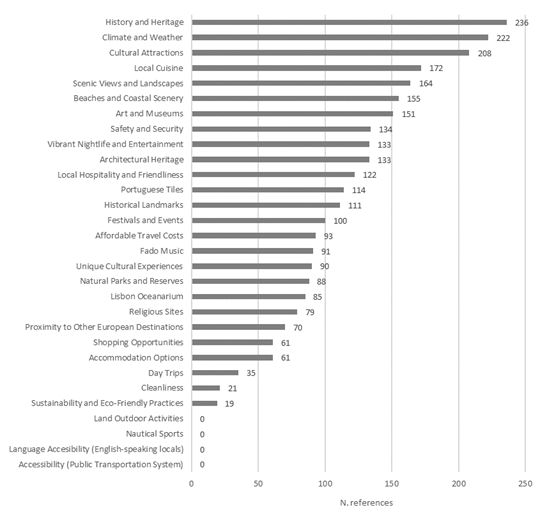
The analysis of 301 valid responses of the survey reveals the dominant pull factors perceived by academically informed individuals regarding the LMA. As illustrated in figure 2, the most influential elements identified by respondents include “History and Heritage” (78.4%), “Climate and Weather” (73.8%), “Cultural Attractions” (69.1%), and “Local Cuisine” (57.1%).
These results align with existing literature that positions Lisbon as a destination rich in cultural and historical assets (Severino et al., 2024; Miranda & Dias, 2020). The emphasis on cultural and heritage-related aspects suggests a strong connection between the city’s identity and its ability to attract tourists through authenticity and historical depth (Barreira et al., 2017; Cardoso et al., 2023).
Natural and aesthetic elements, such as “Scenic Views and Landscapes” and “Beaches and Coastal Scenery”, were also highly valued (54.5% and 51.5%), reaffirming the importance of the region’s geographical diversity. Notably, aspects like “Art and Museums” (50.2%), “Architectural Heritage” (44.2%), and “Nightlife” (44.2%) were acknowledged, though with relatively lower frequencies, indicating differentiated value across sub-segments of the student population.
Conversely, attributes like “Sustainability and Eco-Friendly Practices” (6.3%) and “Cleanliness” (7.0%) were among the least cited. This may indicate a lack of visibility or effectiveness in Lisbon’s environmental positioning strategies, an area increasingly critical in sustainable tourism narratives (Miller et al., 2014).
These findings reflect a destination image anchored in tradition, climate, and cultural vibrancy, which should guide strategic branding and communication efforts, particularly when targeting younger, educated audiences sensitive to experience-driven tourism.
4.3 Visual perceptions vs Pull factor perceptions
To examine how visual perceptions align with conceptual destination attributes, the study compared the most frequent spontaneous word associations from each image with the pull factors selected in the quantitative survey. The analysis revealed that in approximately 40% of the cases, there was a meaningful overlap between the image-based descriptors and the pull factors previously identified by the participants. This suggests a moderate level of congruence between the visual stimuli and the underlying destination motivations.
Table II synthesizes this relationship, presenting the dominant pull factors spontaneously evoked by each image. Notably, the most consistent matches emerged for Palmela Castle, Livramento Market, Tróia Beach, and São Jorge Castle, where all of which displayed strong alignment with core motivational categories such as Cultural Attractions, History and Heritage, Scenic Views and Landscapes, and Local Cuisine.
Table II Similarities between pull factors with the perceptions from the images.
| Image | 1st Factor | 2nd Factor | 3rd Factor | 4th Factor | 5th Factor |
| Rua Augusta Arch | Architectural Heritage | History and Heritage | Cultural Attractions | ||
| Palmela Castle | Cultural Attractions | Scenic Views and Landscapes | History and Heritage | ||
| MAAT | Architectural Heritage | Art and Museums | Beaches and Coastal Scenery | ||
| Praça do Comércio | Architectural Heritage | Cultural Attractions | History and Heritage | ||
| Jerónimos Monastery | Historical Landmarks | Cultural Attractions | History and Heritage | Architectural Heritage | |
| Cabo de Espichel | Scenic Views and Landscapes | Beaches and Coastal Scenery | |||
| Livramento Market | Cultural Attractions | Local Cuisine | Shopping Opportunities | History and Heritage | Portuguese Tiles |
| Albarquel Urban Park | Local Cuisine | Beaches and Coastal Scenery | Scenic Views and Landscapes | Climate and Weather | |
| Glória Elevator | Art and Museums | Land Outdoor Activities | Cultural Attractions | History and Heritage | |
| Carcavelos Beach | Beaches and Coastal Scenery | Climate and Weather | History and Heritage | Scenic Views and Landscapes | |
| Palácio da Pena | Historical Landmarks | Cultural Attractions | History and Heritage | ||
| Belém Tower | Historical Landmarks | Climate and Weather | |||
| Tróia Beach | Beaches and Coastal Scenery | Climate and Weather | |||
| Time Out Market | Local Cuisine | Cultural Attractions | |||
| São Jorge's Castle | Cultural Attractions | History and Heritage |
The image of Palmela Castle generated a high concentration of associations around three dominant pull factors: Cultural Attractions, Scenic Views and Landscapes, and History and Heritage. This convergence suggests that participants perceive this location as both culturally rich and visually impactful.
The corresponding Relationship Map (fig. 3) illustrates this pattern, showing the strongest connections with Cultural Attractions and Scenic Views and Landscapes, followed closely by History and Heritage. The visual structure of the map, with thick linking lines and centralized positioning of these nodes, reinforces the salience of these themes in participants' mental representations of the site.
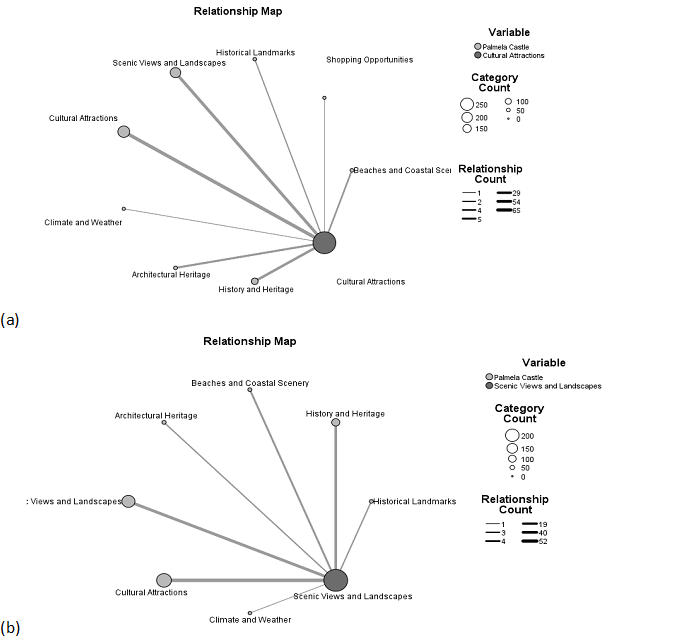
This alignment indicates that the image of Palmela Castle elicits a multifaceted perception. On one hand, it evokes recognition of its historical and cultural significance, as reflected in the frequent mention of architectural and heritage-related terms. On the other hand, the castle’s elevated setting and panoramic views contribute to a landscape-based aesthetic appreciation, which participants translated into associations with scenic beauty.
Moreover, the match between the qualitative and quantitative data suggests that this site holds a strong symbolic clarity. Its capacity to simultaneously evoke cognitive (e.g., historical importance), affective (e.g., admiration of views), and motivational (e.g., desire to visit) responses makes it particularly effective in communicating a coherent destination image. This consistency enhances the communicative power of the site, especially when targeting visitors who value authenticity, heritage, and visual distinctiveness.
The case of Livramento Market presents a particularly rich combination of associations, reflecting the location’s multifaceted appeal. As outlined in table II, participants’ spontaneous responses to the image most frequently aligned with five main pull factors: Cultural Attractions, Local Cuisine, Shopping Opportunities, History and Heritage, and Portuguese Tiles.
This broad spectrum of associations highlights the market’s layered symbolic identity. It is not perceived solely as a commercial space, but rather as a cultural hub, where heritage, tradition, gastronomy, and aesthetics intersect. The Relationship Map (fig. 4) confirm this interpretative richness. The dominant node in both representations is Cultural Attractions, with strong relational lines to Local Cuisine and Shopping Opportunities. The visual prominence of these elements suggests that participants associate Livramento Market with immersive cultural and sensory experiences, likely enhanced by its architectural features, food offerings, and vibrant atmosphere.
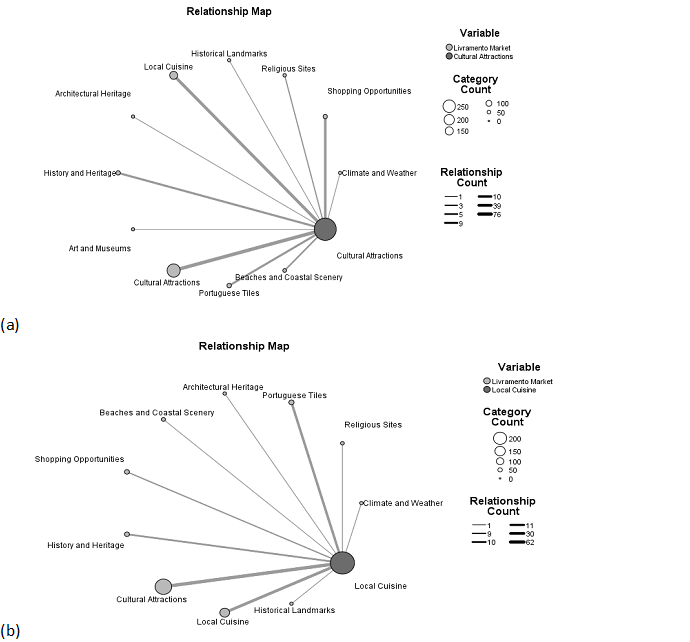
Fig. 4 Comparison of (a) the image’s rating and (b) pull factors - Livramento Market. Source: Created by authors
Of particular note is the dual emphasis on gastronomy and material culture. The association with Portuguese Tiles indicates that participants are not only responding to functional or utilitarian aspects, but also to aesthetic and symbolic dimensions. This reflects a growing trend in tourism whereby local markets are no longer perceived merely as places of consumption, but as cultural places and heritage sites offering authentic, multisensory experiences (Richards, 2011).
The presence of History and Heritage among the top categories further supports this interpretation, positioning the market within a continuum of cultural memory and identity. It suggests that visitors perceive the site not only through its current function but also through the lens of its historical significance within the urban fabric of Setúbal.
Altogether, the data reveal that Livramento Market holds a complex and multidimensional image, successfully blending cognitive and affective components. Its strong alignment with multiple pull factors reinforces its potential as a high-value destination element capable of appealing to diverse tourist motivations.
The image of Tróia Beach evoked a perceptual pattern strongly anchored in two key pull factors: Beaches and Coastal Scenery and Climate and Weather. This outcome suggests a clear and coherent destination image, primarily framed around natural aesthetics and environmental conditions.
As depicted in the Relationship Map (fig. 5), the connections between the image and these two categories are visually dominant, both in terms of relationship strength and in terms of centrality. The map indicates that participants consistently interpreted the image of Tróia Beach through a lens of scenic beauty and climatic appeal, highlighting the beach’s symbolic clarity as a leisure and nature-based destination.
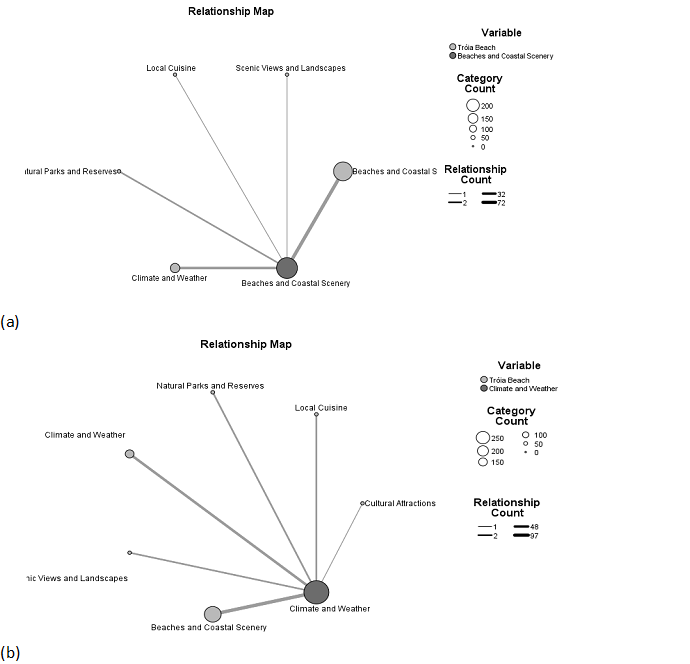
Additional, although weaker, associations were recorded with Local Cuisine, Scenic Views and Landscapes, and Natural Parks and Reserves, which may reflect complementary expectations related to proximity amenities and environmental surroundings. However, their lower relational strength in the maps suggests that they play a secondary role in the overall mental representation of the site.
The perceptual strength of Beaches and Coastal Scenery is unsurprising given Tróia’s physical geography, characterized by its extensive sandy shores and tranquil seascapes. These features align closely with established tourist motivations related to coastal relaxation and visual landscape appreciation (Kim et al., 2019; Su et al., 2020).
Likewise, the salience of Climate and Weather underscores the importance of environmental comfort and seasonality as central decision-making factors for coastal destinations. The beach’s ability to evoke immediate associations with warmth, sunlight, and escape enhances its conative appeal, particularly for tourists seeking restorative experiences or short-term getaways.
Together, these associations suggest that Tróia Beach maintains a clear and unambiguous symbolic identity, largely free from cognitive or thematic interference. Its strong alignment with fundamental leisure motivations indicates a destination image that is both intuitive and emotionally resonant, especially among audiences attuned to natural and sensorial qualities.
The perception of São Jorge Castle, as captured through participants’ spontaneous responses, reveals a clear thematic orientation. According to the data in table II, the image was most frequently associated with the pull factors Cultural Attractions and History and Heritage, followed by a moderate connection with Architectural Heritage. This perceptual alignment suggests a strong symbolic identity tied to both historical significance and cultural prominence.
The Relationship Map (fig. 6) confirm this interpretative pattern. Cultural Attractions and History and Heritage appear as central nodes, with the thickest relational lines, indicating the most recurrent and salient associations. These results reflect the castle’s status as a historic and iconic monument within Lisbon’s urban and touristic landscape.
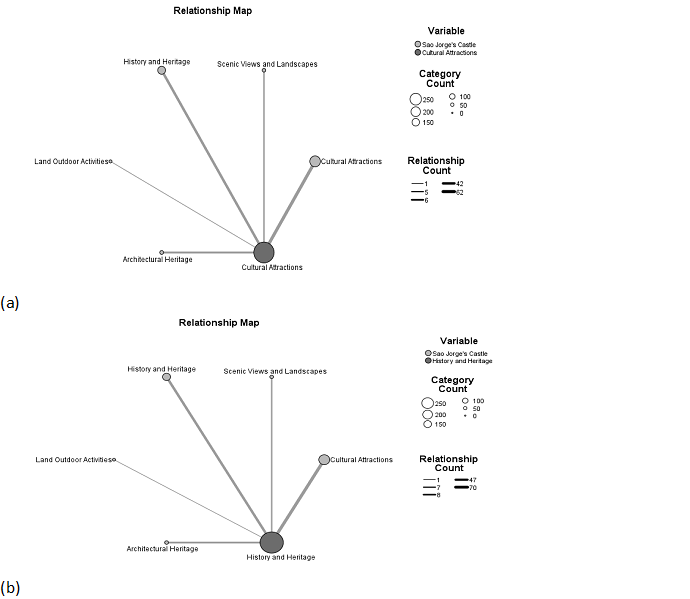
The prominence of History and Heritage illustrates the cognitive dimension of the site’s image: São Jorge Castle is perceived as a location imbued with historical relevance, possibly linked to its medieval origin, panoramic views over the city, and its role in the city’s identity narrative. At the same time, the strong link with Cultural Attractions points to the castle’s role as a living heritage site, integrated into the contemporary touristic experience through exhibitions, guided tours, and its strategic location within the historic center.
Although Architectural Heritage was not among the most dominant associations, its presence supports the idea that the built environment still plays a supporting role in shaping visitors’ impressions. The relatively weaker ties to categories like Scenic Views and Landscapes or Land Outdoor Activities suggest that while these may enhance the visitor experience, they are not the defining attributes of the site’s perceived image.
In summary, São Jorge Castle is perceived as a destination where cultural and historical narratives are visually and cognitively reinforced, aligning with theoretical models that position symbolic monuments as central to destination identity formation (Baloglu & McCleary, 1999; Stylidis et al., 2021).
Following with this analysis, it becomes evident that destinations with well-defined historical and cultural narratives tend to elicit more consistent and thematically coherent perceptions. As seen throughout the selected cases, the spontaneous associations generated by participants converged with core pull factors such as Cultural Attractions, History and Heritage, Scenic Views and Landscapes, and Local Cuisine. These elements appear to function as perceptual anchors, enhancing the symbolic clarity and emotional resonance of each location.
The comparison between the qualitative and quantitative phases reveals a noteworthy pattern: destinations that successfully translate their identity into strong visual and cognitive cues are more likely to be recognized for what they aim to represent. In other words, when the image of a place is capable of evoking the same attributes that are valued in visitors’ decision-making processes, a higher degree of alignment is achieved, contributing not only to memorability, but also to conative responses such as the desire to visit or recommend.
This interpretative alignment was particularly evident in the case of Livramento Market, where the convergence of Local Cuisine and Cultural Attractions demonstrated the power of combining sensorial and symbolic experiences. Similarly, Tróia Beach displayed an image marked by environmental coherence, strongly tied to Beaches and Coastal Scenery and Climate and Weather, reinforcing its appeal as a nature-based destination. These examples underscore the capacity of certain sites to project a multidimensional destination image, integrating cognitive, affective, and contextual dimensions.
Conversely, other locations analyzed in this study, such as Albarquel Urban Park, Glória Elevator, and Carcavelos Beach, revealed a more diffuse set of associations, with limited convergence on dominant pull factors. This may reflect symbolic ambiguity, underexposure, or a lack of cohesive narrative in their promotion and representation. Such findings highlight the importance of investing in targeted destination image strategies, particularly for lesser-known or under-promoted urban and peri-urban areas.
In sum, the results suggest that the perception of a place is not merely a reaction to visual content, but rather the outcome of a broader set of factors: the symbolic capital of the site, the emotional resonance it evokes, and its alignment with the motivational drivers of specific audiences, in this case, academically informed university students with potential as future travellers and tourism professionals. These results offer a robust basis for reflecting on the strategic use of destination imagery as both a diagnostic and promotional tool in contemporary tourism planning.
5. Conclusions
This study provided a comprehensive and empirically grounded examination of how university students perceive the destination image of LMA. The analysis, structured through a mixed-method approach, allowed for a multidimensional exploration of destination image, capturing both spontaneous emotional reactions to visual stimuli and declared preferences grounded in cognitive assessments. The core objective was to understand how these students, who are both residents and potential future tourists, interpret the area’s attractiveness and to what extent their perceptions align with established pull factors in tourism. The relevance of this demographic, composed of young and educated individuals who are often future professionals in the tourism field, further reinforces the study’s scientific and practical importance.
The results revealed a varied but revealing landscape of associations. Locations such as Palmela Castle, Livramento Market, Tróia Beach, and São Jorge Castle emerged as powerful symbols of Lisbon’s appeal, showing strong congruence between the qualitative descriptors evoked by the images and the quantitative pull factors selected by participants. These findings underscore the presence of perceptual coherence, where cultural, historical, scenic, and gastronomic elements resonate clearly and consistently with participants’ expectations and preferences. Such convergence is particularly meaningful in tourism image research, as it reflects a shared symbolic understanding between what a destination intends to represent and how it is perceived, an alignment that is essential to effective branding and communication strategies.
Moreover, these results illustrate the utility of this type of data when applied to a strategically important group. University students are not passive observers, but they are active interpreters of tourism narratives, often with a heightened sensitivity to culture, sustainability, and innovation. Their perceptions offer valuable foresight into future consumption patterns, especially as they are likely to become ambassadors of tourism discourse, both professionally and socially. The alignment between student perceptions and destination pull factors provides not only a diagnostic tool for evaluating current image performance, but also a predictive indicator for market evolution.
In contrast, other sites such as Albarquel Urban Park, Glória Elevator, and Carcavelos Beach elicited more diffuse associations, with limited convergence on dominant motivational categories. This perceptual ambiguity suggests that these destinations may lack a defined symbolic identity or suffer from underexposure, reducing their impact in the mental maps of potential visitors. The comparative analysis between these higher- and lower-performing destinations thus provides a robust interpretative foundation for destination image assessment and identifies areas where targeted interventions could strengthen recognition, appeal, and thematic clarity.
This study contributes to destination image research by integrating cognitive, affective, and conative dimensions with visual and symbolic cues. By combining qualitative and quantitative methods, it addresses the conceptual gap in how destination images are not only perceived but also evoked and matched with motivational frameworks. The alignment observed between pull factors and image-based perceptions supports the use of mixed-method approaches to capture the dynamic interplay between what destinations project and what visitors internalize.
In theoretical terms, the research advances the push-pull paradigm by emphasizing the emotional and symbolic dimensions of pull factors, particularly those related to cultural meaning, aesthetic pleasure, and authenticity. It demonstrates that image congruence, when it exists, reinforces the affective and conative stages of destination image formation, leading to stronger behavioral intentions. Furthermore, the study highlights how imagery operates as a bridge between abstract motivation and concrete visual stimulus, offering new possibilities for refining destination branding and marketing models.
From a practical standpoint, the findings present clear and evidence-based guidance for destination managers and tourism marketers in the LMA. First, the sites that demonstrated symbolic clarity (e.g., Palmela Castle, Livramento Market, Tróia Beach, and São Jorge Castle) should be positioned as flagship assets in communication strategies. These places naturally evoke the kinds of perceptions that align with tourist motivations, offering opportunities for marketing narratives that emphasize cultural richness, visual beauty, and experiential authenticity.
Second, the study identifies destinations in need of repositioning or rebranding. In particular, sites with low alignment between imagery and pull factors may benefit from interventions that clarify their identity, enhance experiential offerings, or improve promotional visibility. Strategies such as interpretive storytelling, enhanced signage, and digital engagement campaigns may help to reinforce their symbolic value.
Importantly, the research shows that university students are not only a viable tourist segment but also serve as cultural and academic intermediaries capable of influencing broader public opinion. Engaging this group in co-creative tourism planning, participatory branding processes, or ambassadorial roles could enhance the authenticity and relevance of future tourism development strategies.
Despite the richness of its findings, this study is limited by its focus on a specific population: the university students from two institutions in the LMA. While strategically chosen, this group does not represent the full spectrum of tourist demographics. Future research should expand the sampling frame to include tourists from different regions, age groups, and cultural backgrounds to test the generalizability of these results.
Additionally, the reliance on static images, while effective in eliciting immediate reactions, may not fully capture the dynamic and multisensory nature of destination experience. Future studies could incorporate video, virtual reality, or immersive media to deepen the analysis of how visual stimuli shape perceptions. Longitudinal research could also help assess how these perceptions evolve over time and in response to changes in infrastructure, marketing campaigns, or global travel trends.
Moreover, further exploration of digital and social media influence, particularly user-generated content, could provide valuable insight into how destination images are negotiated in online environments. Understanding how tourists themselves construct and disseminate visual representations may help destinations align their brand identity with grassroots perceptions, thus enhancing authenticity and engagement.
In conclusion, this study contributes to the scientific understanding of destination image by bridging methodological innovation with strategic applicability. It offers a replicable framework for assessing image congruence and provides practical tools for destination development that are attuned to the expectations of a critical and influential segment of emerging travelers. In an increasingly competitive tourism landscape, such integrated and evidence-based approaches are essential for sustainable and effective destination management.
Authors contribution
Filipe Segurado Severino: Conceptualization, Data curation, Project administration, Resources, Validation, Visualization, Writing - original draft, Writing - review & editing. Teresa Costa: Conceptualization, Funding acquisition, Project administration, Resources, Supervision. Margarida Cristina: Resources, Visualization, Writing - original draft. Ana Gláucia Roque: Resources, Visualization, Writing - original draft. Sandra Nunes: Formal analysis, Methodology, Software. Zélia Raposo Santos: Writing - review & editing.

