




 Português (pdf)
 Artigo em XML
 Referências do artigo
 Tradução automática
 Enviar este artigo por email
 Citado por SciELO
  Similares em
SciELO
Similares em
SciELO 
 Permalink

COMENTÁRIO
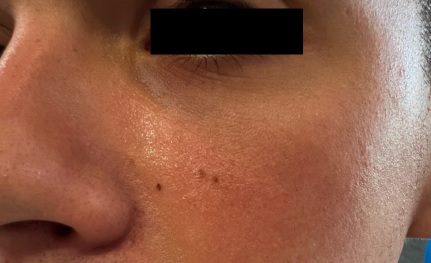
Adolescente, sexo masculino, referenciado à consulta de Imunoalergologia por episódios de eritema e sudorese malar, bilateralmente, com um ano de evolução, que surgiam alguns minutos após ingestão de frutos frescos (laranja, maçã e melão) com resolução espontânea em 30 minutos. Negava antecedentes de parto traumático, parotidites de repetição, infeção pelo vírus herpes-zóster, cirurgias prévias ou fratura do côndilo da mandíbula, embora referindo trauma facial associado à prática desportiva. O estudo imunoalergológico com testes prick com extratos alergénicos, testes prick-prick com alimentos frescos e quantificação dos níveis de IgE específica para os alimentos suspeitos, foi negativo. Na prova de provocação oral com laranja e maçã, desenvolveu eritema e sudorese malar, bilateralmente (Figura 1), segundos após o início da prova e com resolução espontânea em 15 minutos. Após a avaliação clínica, procedeu-se à explicação da patologia ao doente e à mãe, nomeadamente a sua benignidade, caráter autolimitado e desmitificação de algumas ideias sobre alergia alimentar. Por o doente referir algum incómodo associado a esta condição foi recomendado evicção dos alimentos causadores de sintomas, utilização de antitranspirante tópico e tratamento com toxina botulínica, tendo sido recusado este último. A síndrome de Frey, uma condição rara em idade pediátrica, caracteriza-se pelo desenvolvimento de eritema e/ou sudorese na região malar 1 devido a uma regeneração inadequada das fibras parassimpáticas pós-ganglionares do nervo auriculotemporal após lesão deste 2. Os sintomas iniciam-se minutos após a estimulação gustativa, restringindo-se ao trajeto do nervo auriculotemporal, sem sintomas sistémicos 1. Assim, dado o diagnóstico erróneo de alergia alimentar, os clínicos devem ser alertados para esta entidade, não realizando exames, tratamentos ou dietas de restrição desnecessárias. Além disso, devem informar e tranquilizar os pais sobre o caráter autolimitado desta patologia, oferecendo opções terapêuticas quando os sintomas interferem e limitam a atividade da vida diária 3.
COMMENT
A male adolescent was referred to the Allergy and Clinical Immunology appointment due to episodes of bilateral malar erythema and sweating lasting one year. These symptoms developed a few minutes after the ingestion of fresh fruit (orange, apple, and melon), with spontaneous resolution within 30 minutes. He denied any history of traumatic birth, recurrent parotitis, herpes zoster infection, previous surgeries, or mandibular condyle fractures, although he did report facial trauma related to sports. The immunoallergological study with prick tests with allergenic extracts, prick-prick tests with fresh food, and
quantification of specific IgE levels was negative. However, in the oral provocation test with orange and apple, he developed a bilateral malar erythema with sweating (Figure 1), seconds after the start of the test, and spontaneous resolution in 15 minutes. The condition was then explained to the patient and his mother, including its benign nature, self-limited course, and dispelling some misconceptions about food allergies. Since the patient reported some discomfort related to this condition, avoidance of the foods causing symptoms was recommended, along with the use of topical antiperspirants and botulinum toxin treatment, which was refused. Frey´s syndrome, a rare condition in pediatric age, is characterized by the development of erythema with/without sweating in the malar region 1, due to inadequate regeneration of the postganglionic parasympathetic fibers of the auriculotemporal nerve after an injury to the latter2. Symptoms begin minutes after gustatory stimulation and are limited to the path of the auriculotemporal nerve, without systemic symptoms1. Thus, given the misdiagnosis of food allergy, clinicians should be alerted to this entity, not performing unnecessary tests, treatments, or restrictive diets. Furthermore, they should inform and reassure parents about the self-limiting nature of this disease, offering therapeutic options when symptoms interfere with and limit daily activity 3.

