



 Inglês (pdf)
 Artigo em XML
 Referências do artigo
 Tradução automática
 Enviar este artigo por email
 Citado por SciELO
  Similares em
SciELO
Similares em
SciELO 
 Permalink

Preface
This text is the written and extended version of an allocution delivered on the occasion of the Celebration of the 40th anniversary of the Portuguese Electrochemical Society (Sociedade Portuguesa de Eletroquímica, SPE) at its XXV Meeting, held in Coimbra (2023), following an invitation by its Directive Council. It constitutes an honor and a pleasure for me. A pleasure because I was pushed to a journey through old documents and files which I had not seen for many years, what brought warm memories of Friends (some of them unfortunately are no longer with us) and events. I felt revived and renewed! However, I notice that with the long illness (which ended with his premature death) of Carlos Paliteiro, a good friend and a very dedicated Secretary of the SPE, many documents (including the annexes to the minutes of the Directive Council and General Assemblies meetings) were lost. Thus, I had to rely on what I found, on the information that some colleagues have kindly provided and mainly on my own documents and memory. Therefore, this is an account written in the first person and I apologize for not being comprehensive and for focusing more on my own personal experience and on the way I lived the events during the four decades of the SPE life.
Introduction
The SPE was officially created on November 23rd, 1983, when its foundation deed was signed at the First Lisbon Notary Office (Primeiro Cartório Notarial de Lisboa). Its extract was published at the official journal Diário da República, III Série, No. 51, on 29/2/1984 (Fig. 1).
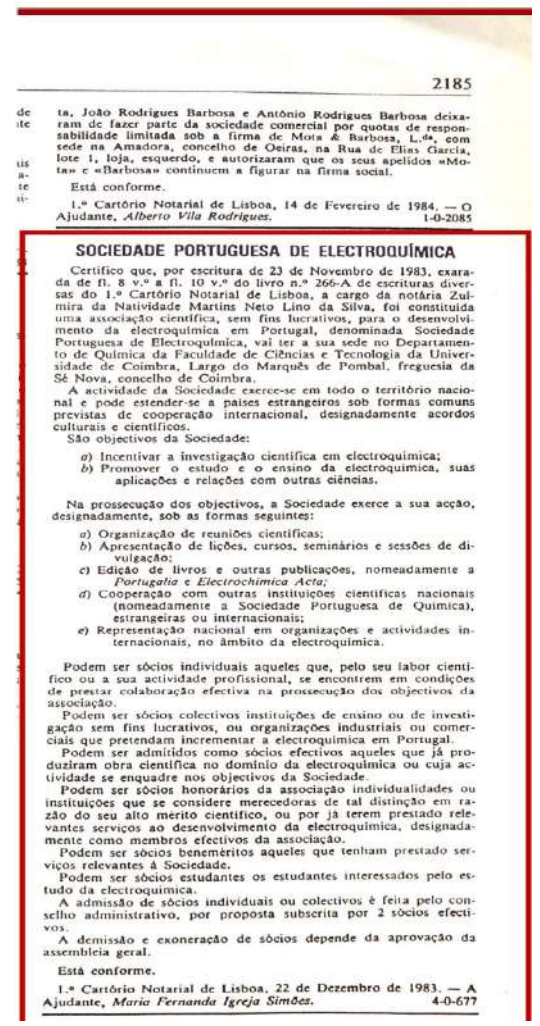
Figure 1: Extract of the foundation deed of the SPE (Diário da República, III Série, No. 51, p. 2185, on 29-2-1984).
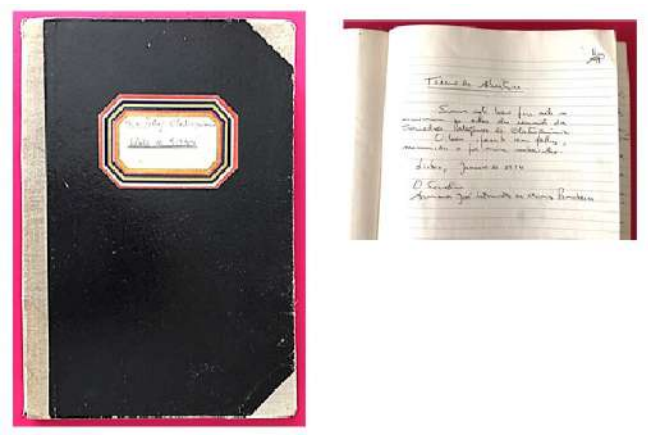
The 1st Meeting of the General Assembly of the SPE, as indicated in the minutes book (Livro de Actas) (Figs. 2, 3 and 4), was held on the very beginning (January 2nd) of 1984, at the Department of Chemistry of the University of Coimbra. Its founding members elected the holders of the SPE bodies and deliberated on relevant matters such as the organization of the 1st National Meeting of the society, the acceptance of Portugaliae Electrochimica Acta (PEA) as its journal, of which the 1st volume had already been published (1983) by the Academia das Ciências de Lisboa (ACL), as well as the annual membership fees.
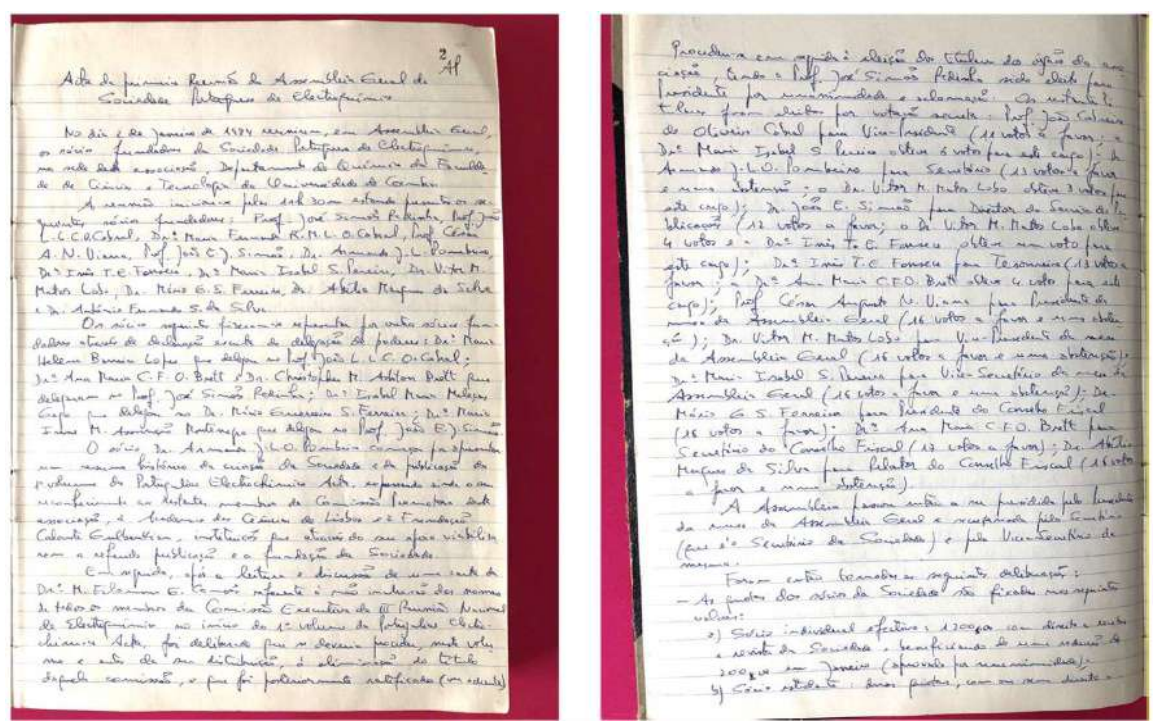
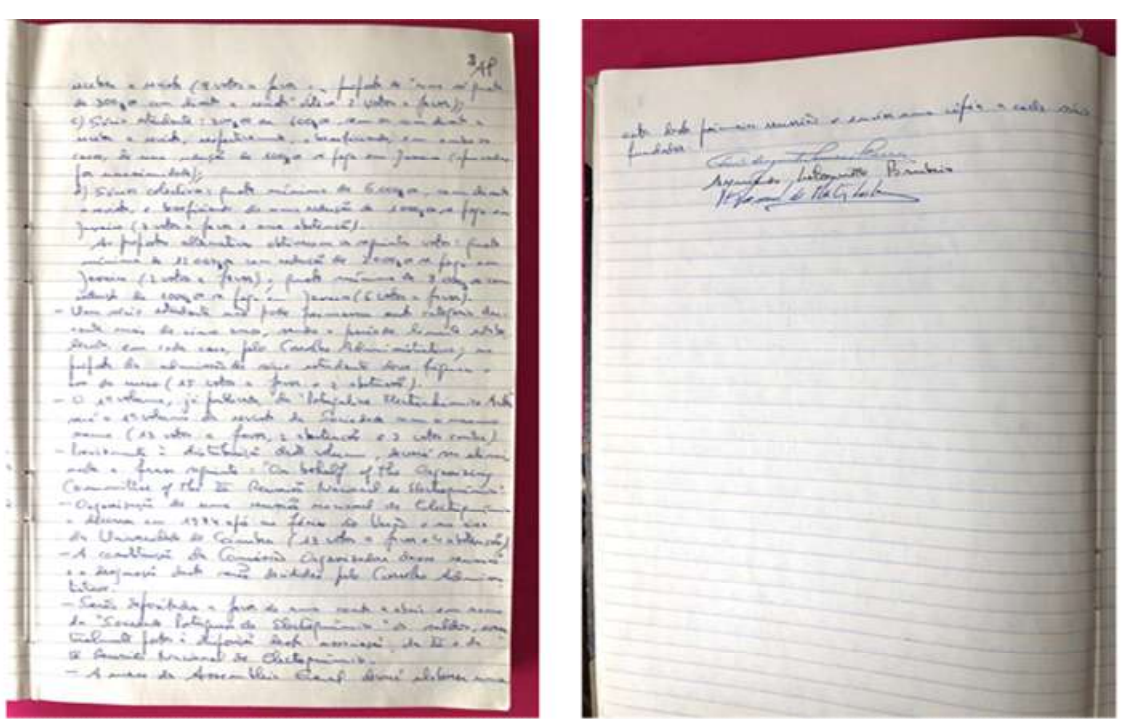
The first elected positions included: President (J. Simões Redinha), Vice-President (João Cabral), Secretary (Armando Pombeiro), Director of Publications (João Simão), Treasurer (Inês Fonseca), President of the General Assembly Board (César Viana), Vice-President of the General Assembly Board (Victor Matos Lobo) and President of the Fiscal Council (Mário Ferreira).
The idea of founding an Electrochemical Society in Portugal took shape during the III National Meeting of Electrochemistryng (NME) held at the Academy of Sciences of Lisbon (ACL) on June 28th-30th, 1982, which I chaired, when the Foundation Commission (Comissão Promotora) for this Society was created upon a proposal that I had put forward and received a warm support of relevant representatives of the other major Portuguese Universities with activities on Electrochemistry, who were also integrating the Organizing Commission of that meeting. The Foundation Commission was thus made up of Profs. José Simões Redinha, João Cabral, César Viana, João Simão, apart from myself, of the Universities of Coimbra, Porto, Lisboa, Aveiro and Técnica de Lisboa, respectively.
The idea was also supported by Prof. José Pinto Peixoto, the President of the ACL, who kindly put at our disposal the required conditions for the National Meeting, for the meeting of the Founding Commission and even (see below) for the publication of the first issue of Portugaliae Electrochimica Acta (PEA) which would become the journal of the SPE. Hence, we can say that the foundation of the SPE was blessed by the ACL! The occasion (beginning of the eighties, 1980s) was particularly timely for this foundation since various topics of Electrochemistry were being developed or introduced in projects of research centers, but still suffering from unfamiliarity among the teams which acted independently and unknowingly, thus hampering the establishment of interrelationships, cooperation and networks. Moreover, insufficient support was also recognized, including the lack of suitable university course syllabuses.
A couple of initiatives that took place before the above meeting at the ACL (1982) and succeeded to promote the contacts among those with interests on Electrochemistry are noteworthy, i.e, the so-called II NME (held in Coimbra in 1981, chaired by J. Simões Redinha), which followed an informal seminar held in the previous year (1980) in Aveiro which gathered a few electrochemists by invitation of Aristides Hall. The conference in Coimbra (1981) was in fact the first true National Meeting, but it was designated as the second one, to avoid the earlier Aveiro seminar to fall into oblivion (Table 1).
Table 1: Electrochemical Meetings in Portugal held earlier than the foundation of the SPE.
| Year | Edition | Place | Chairperson |
|---|---|---|---|
| 1980 | Electrochemistry seminar (later designated as I NME) | Aveiro | Aristides Hall |
| 1981 | II NME | Coimbra | J. Simões Redinha |
| 1982 | III NME | Lisbon | Armando Pombeiro |
The mission of the SPE should be to foster the scientific research on Electrochemistry and promote the study and teaching of Electrochemistry, its applications and relationships with other sciences, as it became stated later by its By-Laws (Article 4).
Four decades have elapsed since then and it is gratifying to look at the path taken by the SPE along its mission.
I have already revised the first lustrum of the SPE life 1-3 and wish now to avoid repetitions significantly. Hence, those who are interested in further information are invited to look at the previous report 1.
Among the many initiatives of the SPE, it is noteworthy to mention the following ones within various perspectives.
1 - Publication of the Portugaliae Electrochimica Acta (PEA)
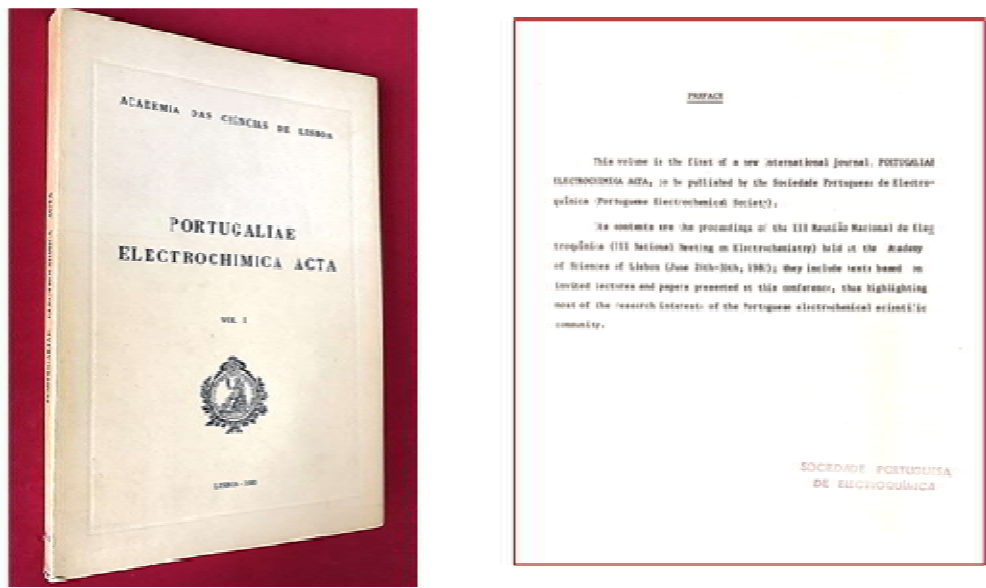
PEA was founded as the proceedings of the III NME held at the ACL, 1982 (Fig. 5). This publication, which I had the privilege to coordinate, fell within the Academy bicentennial celebrations. Hence, PEA was founded slightly earlier than the SPE itself, but it became the international research journal of this Society upon its foundation. The decision was taken during the first meeting of the General Assembly of the Society, on January 2nd, 1984 (see above), and the proposal had the agreement of the President of the ACL, Prof. Pinto Peixoto. The name is somehow related to that (Portugaliæ Mathematica) of the journal of the Portuguese Mathematical Society, and was coined by Prof. César Viana and myself, during one of our regular joint lunches to discuss science friendly, namely the electrochemical panorama in our institutions and in the country. This designation was approved by Prof. Pinto Peixoto who was also a Latinist and agreed with its correctness.
Prof. João Simão was appointed as the first Editor of PEA, since 1984, and was followed by Dr. Fátima Guedes da Silva (1996-2002). Prof. Victor Lobo has been the Editor for over two decades (since 2002) and along this position he has been assisted by the following collaborators: (i) Associated Editors: Prof. Artur Valente and Dr. Jorge Costa Pereira; (ii) Secretaries: Joaquim Natividade and Dr. Catarina Santos; (iii) Informatics Managers: Dr. Pedro Almeida (and collaborators) and Eng. Paulo Lobo.
The cover of the first volume (Fig. 5), published by the ACL, naturally followed the pattern of its book covers, but it was modified for the following volumes, according to an image of the SPE with its logotype (an elegant cyclic voltammogram of ferrocene run in our laboratory by Fátima Guedes da Silva).
Some slight modifications have occurred along the years (Figs. 6 and 7), namely the redrawing of the logo which became wrong from a scientific viewpoint, with the upward trace of the anodic wave bending to lower potentials! Nevertheless, we can forgive the Art and accept that the artist’s imagination is free to bypass Science. In the current electronic format, the logo has returned to the correct form.
Apart from the regular volumes, a good number of relevant special issues has appeared, as referred along this communication.
PEA (ISSN: 1647-1571) constitutes the only research journal in Chemistry published in our country. It follows the open access model, is published bi-monthly (6 annual issues since 2008) and includes “original papers, brief communications, reviews and letters concerned with every aspect of theory and practice of electrochemistry, as well as articles in which topics on history, science policy, education, etc. in the electrochemical field (teaching or research) may be discussed”, as indicated in its webpage: https://www.peacta.org/
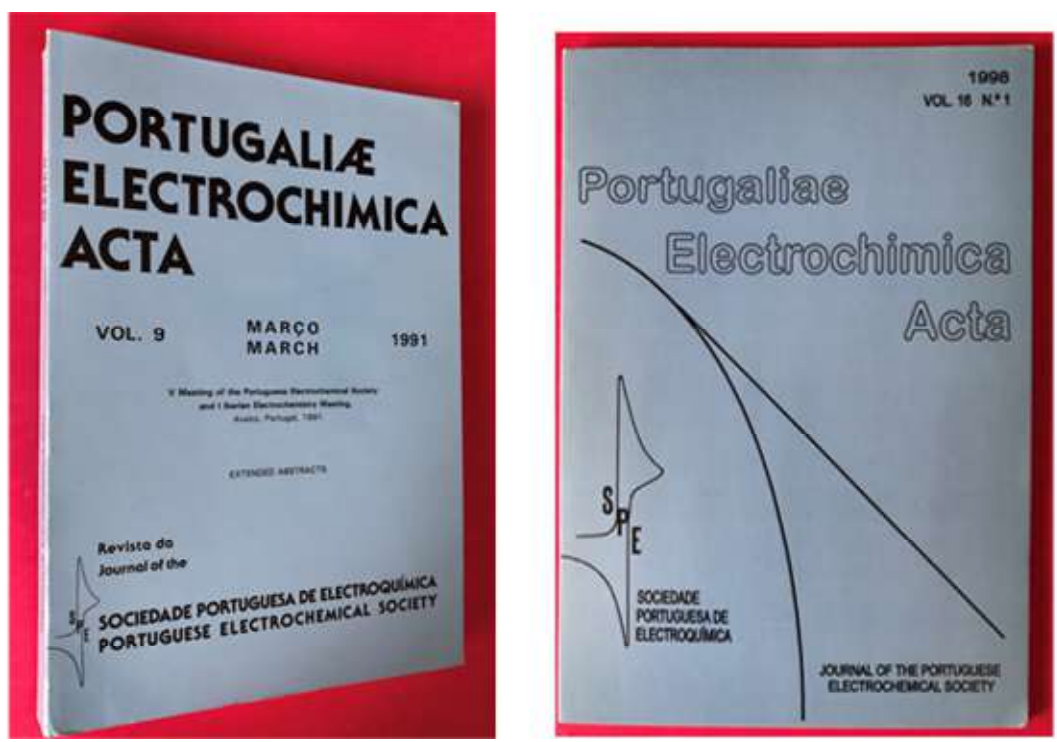
Figure 6: PEA covers (examples). Left - Extended Abstracts of the V Meeting of SPE and I Iberian Meeting of Electrochemistry (IME) (Vol.9, March 1991); Right - Vol.16, No.1, 1998.
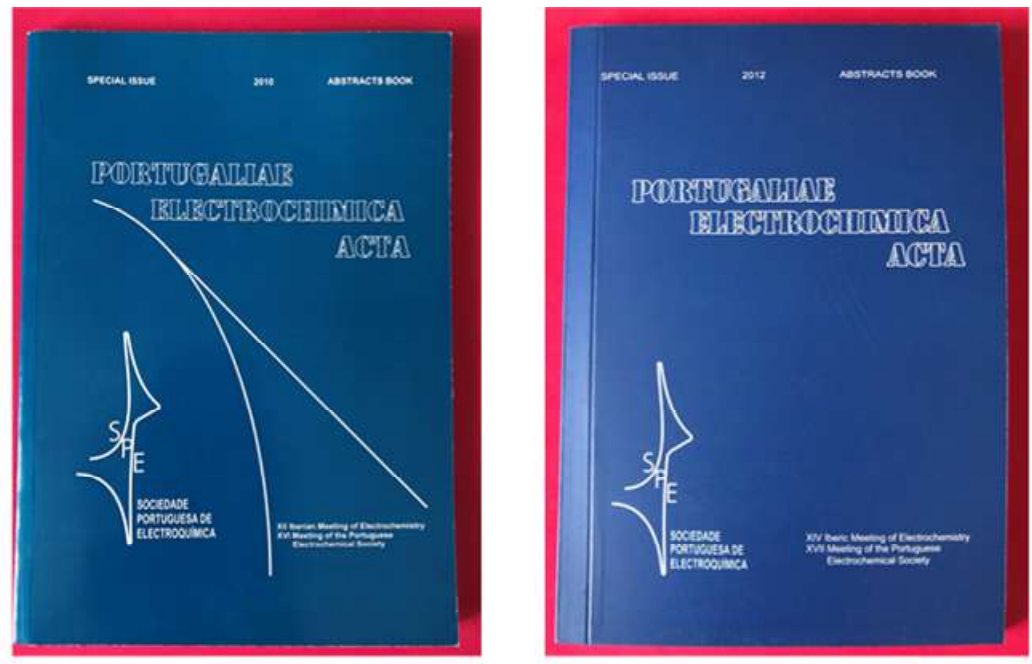
Figure 7: PEA covers (examples). Left - Special Issue, Abstracts of the XVI Meeting of the SPE and XII IME (2010); Right - Special Issue, Abstracts of the XVII Meeting of the SPE and XIV IME (2012).
Although currently PEA follows the electronic format, all back issues are available in its site. It is indexed in Elsevier Database/SCOPUS, Chemical Abstracts, SciELO (Scientific Electronic Library On-line), Latindex, Referativnyi Zhurnal, ISI Thomson Reuters and SCIMAGO. It presents an interesting Scopus 2-year and 3-year impact factor (2021) of 1.695 and 2.315, respectively: https://www.scijournal.org/impact-factor-of-portugaliae-electrochimica-acta.shtml
The success of this journal is also corroborated by the numbers of volumes and submissions. In fact, volume 42 for next year (2024) is already published, of which issue 6 has been available since November of 2023, i.e., 1 year ahead. Its publication is greatly challenging, posing great difficulties to the SPE, in terms of required budget and editorial efforts! It is remarkable how Prof. Victor Lobo, without a professional editorial team, has succeeded to maintain its regular publication along so many years, and his great dedication deserves our deep recognition.
2. Organization of conferences
2A. Meetings on electrochemistry
The SPE has already organized in Portugal 25 meetings (Table 2) of national dimension (including the current one) along its 4 decades, i.e., an average of 5 meetings every 8 years, approaching the periodicity of one meeting every one and a half year. These meetings have an international character.
Table 2: Meetings of the SPE.
| Year | Edition | Place | Chairperson |
|---|---|---|---|
| 1984 | I | Coimbra | J. Simões Redinha |
| 1986 | II | Ofir | João Cabral |
| 1987 | III | Faro | Abílio M. da Silva |
| 1989 | IV | Sintra | César Viana and Armando Pombeiro |
| 1991 | V (also I IME) I IME | Aveiro | João Simão |
| 1992 | VI | Vila Real | José Seita |
| 1995 | VII (also III IME) III IME | Faro | Abílio M. da Silva |
| 1996 | VIII | Covilhã | Isabel Ferra |
| 1997 | IX | Braga | Irene Montenegro |
| 1999 | X (also V IME) | Évora | César Viana |
| 2001 | XI (also VI IME) | Porto | João Cabral |
| 2003 | XII 1 | Lisbon | Armando Pombeiro |
| 2005 | XIII (also VIII IME) | Covilhã | Isabel Ferra |
| 2007 | XIV (also X IME) | Coimbra | Victor Lobo |
| 2008 | XV | Lisbon | Jorge Correia and Manuela Rocha |
| 2010 | XVI (also XII IME) | Lisbon2 | Luísa M. Martins |
| 2011 | XIII IME 3 | University of Murcia, Spain | Ángela Molina Gómez |
| 2012 | XVII (also XIV IME) | Funchal (Madeira) | João Rodrigues |
| 2012 | XXV ICOMC | University of Lisbon | Armando Pombeiro |
| 2013 | XVIII | Porto | Luís M. Gonçalves |
| 2013 | XV IME 4 | University of Valencia, Spain | Francisco Pedrós |
| 2014 | XIX (also XVI IME) | Aveiro | Mário Ferreira |
| 2015 | XVII IME | University of Vigo, Spain | X. Ramón Nóvoa |
| 2015 | XX | Braga | Fátima Bento |
| 2016 | XXI (also XVIII IME) | Bragança 2 | Maria da Conceição Angélico |
| 2017 | XIX IME 5 | Vitoria-Gasteiz, Spain | Teófilo Rojo |
| 2017 | XXII | Ponta Delgada (Azores) | Helena C. Vasconcelos and Luísa Martins |
| 2018 | XXIII | Porto | Diana Fernandes and Cristina Freire |
| 2019 | XX IME 6 | Huelva, Spain | Juan Daniel Mozo |
| 2021 | XXIV | Tomar 2 | Ana Lopes |
| 2023 | XXV | Coimbra | Artur Valente |
1Jointly held with the symposium on “New Trends in Molecular Electrochemistry” within the new Frontiers of Knowledge Series of the Academy of Sciences of Lisbon, at this Academy (ACL). 2Held at Polytechnic Institute. 3Also the XXXII Meeting of the GEE-RSEQ. 4Also the XXXIV Meeting of the GEE-RSEQ. 5Also the XXXVIII Meeting of the GEE-RSEQ. 6Also the XL Meeting of the GEE-RSEQ.
Some of those meetings have also been Iberian Meetings of Electrochemistry (IME), with the collaboration of the GEE-RSEQ. The 1st IME was the 5th of the SPE, held in Aveiro, 1991 (Figs. 8 and 9). The Proceedings were collected in a special issue of PEA (Fig. 6, left).
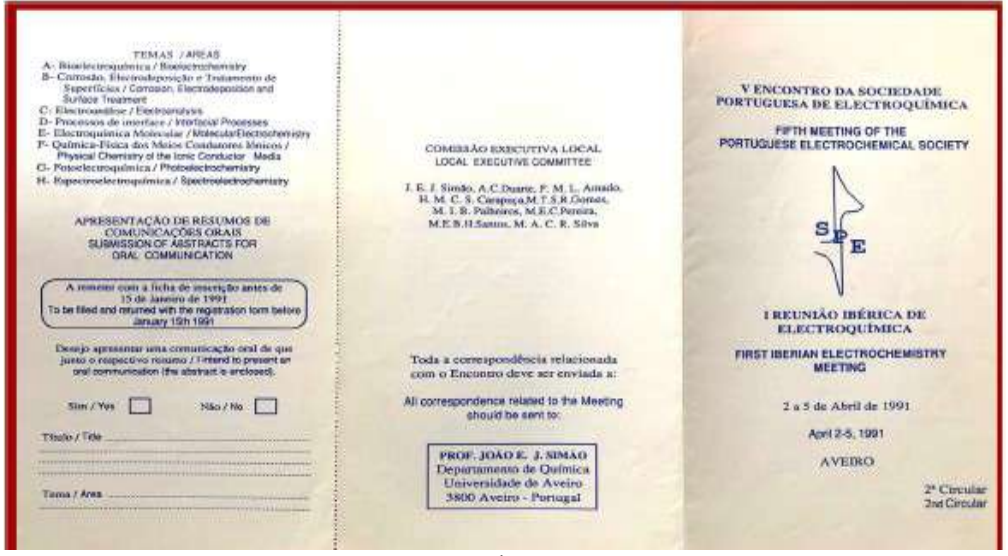
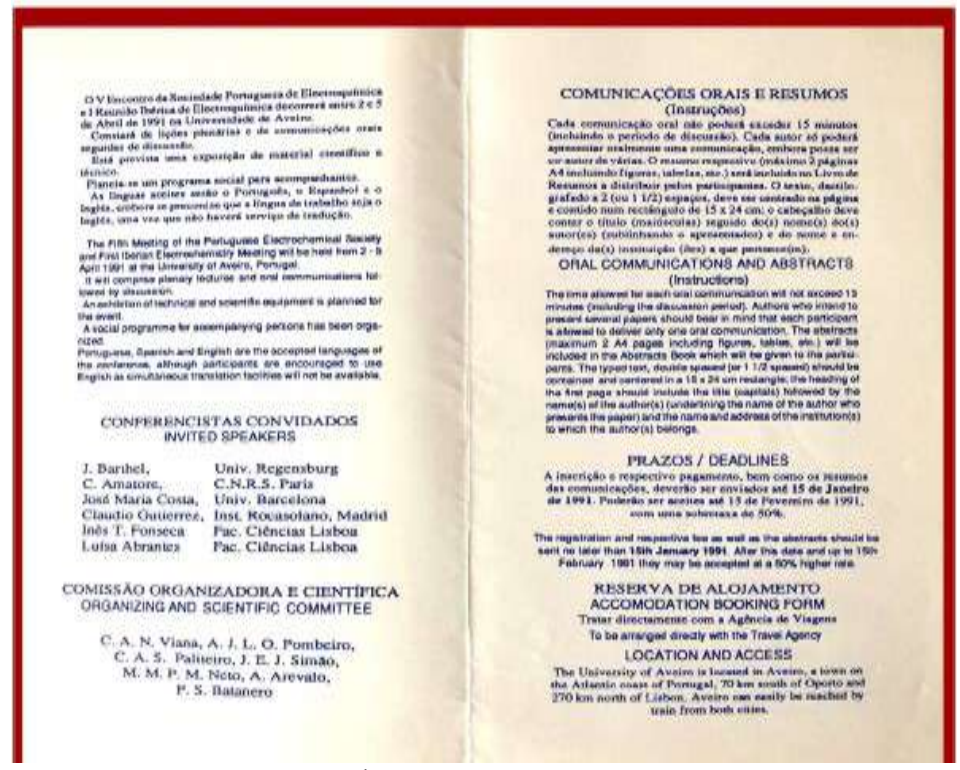
Figure 9: Circular of the 1st IME (5th Meeting of the SPE) - Back side with list of invited speakers, organizing and scientific committee.
Furthermore, other IMEs were held in Spain, organized by the GEE-RSEQ, with the collaboration of the SPE, the five latest ones being listed in Table 3.
A total of 20 IMEs have already been held in Portugal or Spain.
Aiming to promote the interactions within all the electrochemistry community, the venues of the Meetings of the SPE have been chosen along all the country, including the islands of Madeira and Azores.
Table 3: Latest IMEs organized in Spain by the GEE-RSEQ, with the collaboration of the SPE.
| Year | Edition | Place | Chairperson |
|---|---|---|---|
| 2011 | XIII IME XXXII GEE-RSEQ Meeting | Murcia | Ángela Molina Gómez |
| 2013 | XV IME XXXIV GEE-RSEQ Meeting | Valencia | Francisco Pedrós |
| 2015 | XVII IME XXXVI GEE-RSEQ Meeting | Vigo | X. Ramón Nóvoa |
| 2017 | XIX IME XXXVIIIGEE-RSEQ Meeting | Vitoria-Gasteiz | Teófilo Rojo |
| 2019 | XX IME XL GEE-RSEQ Meeting | Huelva | Juan Daniel Mozo |
2B. International conferences where electrochemistry is a selected topic
The SPE has been involved in sponsoring the organization of a good number of international conferences which, although not being focused on Electrochemistry, have also addressed this science in their scientific programs.
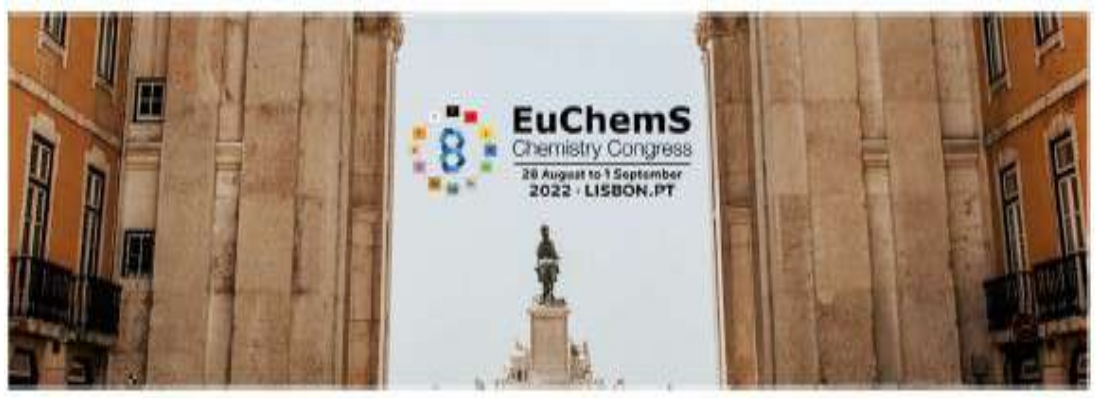
An important and recent one is the 8 th EuChemS Chemistry Congress (Lisbon, 28 August-1 September, 2022) (Fig. 10), within the cooperation of the EuChemS (the Portuguese Chemical Society, SPQ, was the major organizing institution): https://euchems2022.eu/
Other relevant cases (chaired by this author) also sponsored by the SPQ and the ACL are the following ones:
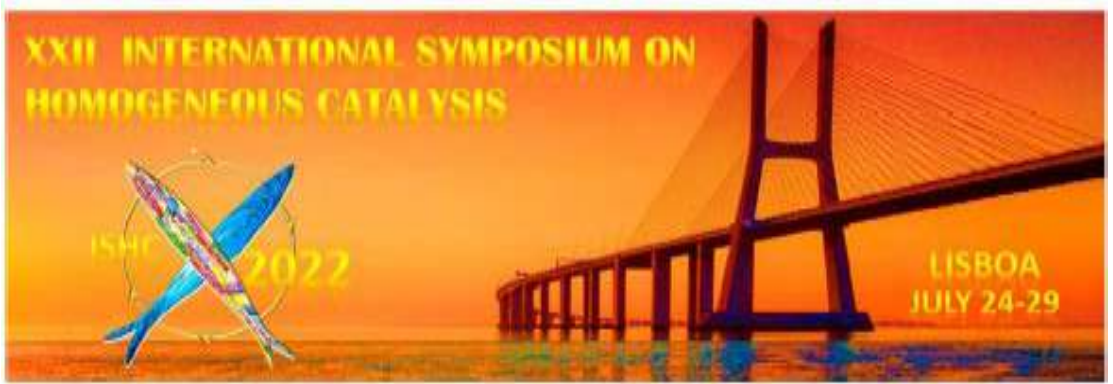
XXII International Symposium on Homogeneous Catalysis (ISHC), Lisbon, 24-29 July 2022 (Fig. 11): https://xxii-ishc.events.chemistry.pt/
A virtual collection was published (Chemistry Europe): https://chemistry-europe.onlinelibrary.wiley.com/doi/toc/10.1002/(ISSN)9999-0001.ishc-xxii
1st International Conference on Noncovalent Interactions (ICNI 2019), Lisbon, Sept. 2019 (Fig. 12): https://icni2019.eventos.chemistry.pt/
A Royal Society of Chemistry (RSC) Themed Collection on “Noncovalent Interactions” was published:
https://pubs.rsc.org/ja/journals/articlecollectionlanding?sercode=cp&themeid=74148df6-009a-43ee-9fbe-45f4d54f26eb
7th EuCheMS Congress on Nitrogen-Ligands, Lisbon, Sept. 2018 (Fig. 13): http://n-ligands2018.com/
A virtual RSC themed web collection was published: https://pubs.rsc.org/en/journals/articlecollectionlanding?sercode=dt&themeid=71f09576-9bf4-429f-91b5-97d78293c46d
XXV International Conference on Organometallic Chemistry (ICOMC), Lisbon, Sept. 2012 (the webpage has been discontinued) (Fig. 14, left). A book was published as a result of this Conference (Fig. 14, right): “Advances in Organometallic Chemistry and Catalysis” (The Silver/Gold Jubilee ICOMC Celebratory Book), Armando J. L. Pombeiro (ed.), J. Wiley & Sons, 2014 (ISBN: 9781118510148).
Although without being a sponsor, the SPE was represented in other relevant international conferences, such as the IUPAC 24th International Conference on Solution Chemistry, chaired by Prof. César Viana, held in Lisbon (29 Aug.- 3 Sept. 1995). Invited lectures were published in Pure and Applied Chemistry. 1996;(68)8.
The Society was also represented at the Journées d´Electrochimie by myself, by Prof. João Cabral until 2000, then by Prof. Irene Montenegro and Prof. Carlos Paliteiro. The organization of an edition in Portugal was provisionally approved, but not materialized.
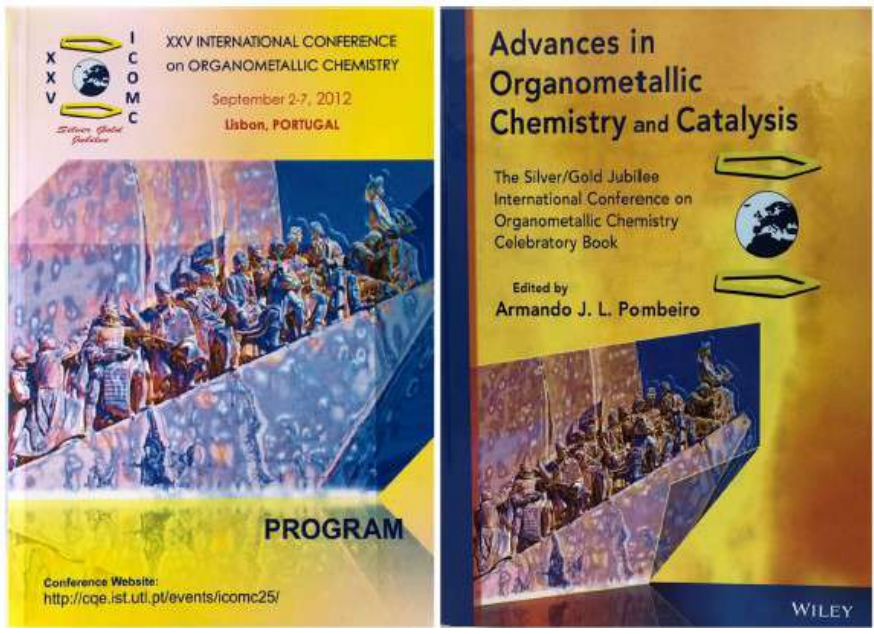
Figure 14: Left - XXV ICOMC, Lisbon, 2-7 September, 2012); Right - Book “Advances in Organometallic Chemistry and Catalysis”, Armando J. L. Pombeiro (ed.), J. Wiley & Sons, 2014.
3. Establishment of prizes
The following prizes were created in the early 2010s:
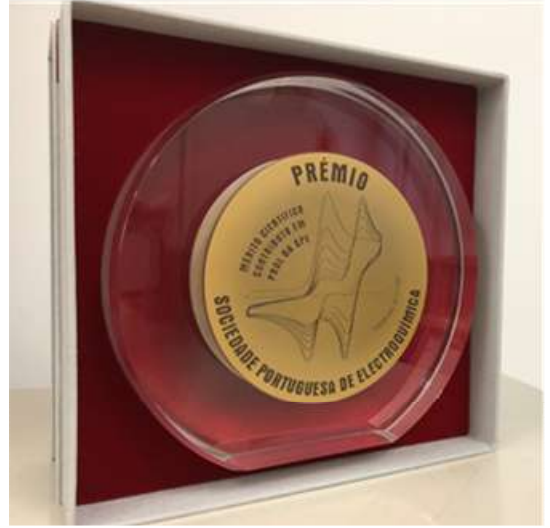
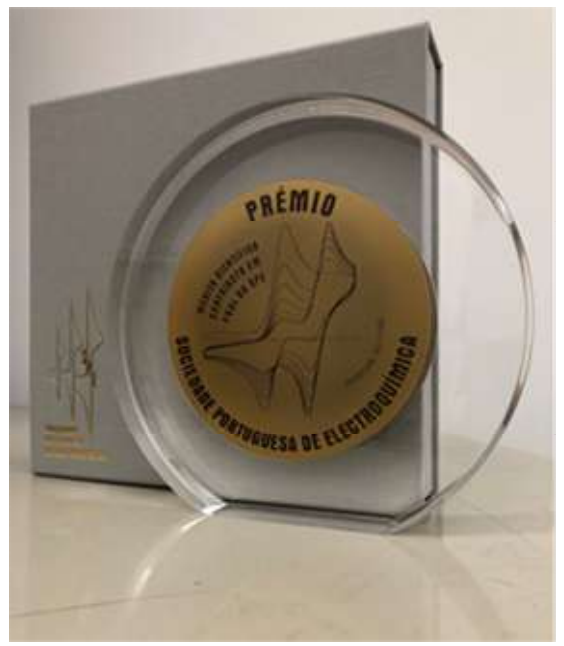
SPE Prize (Figs. 15 and 16) to distinguish a scientist of recognized merit who has contributed to the development of Electrochemistry and of this Society.
The inaugural one was awarded in 2012 to Profs. J. Simões Redinha and Victor Lobo, being followed by Profs. Maria de Fátima Guedes da Silva and João Simão (2013), Armando Pombeiro (2014), Maria Isabel Ferra (2015), Aquiles de Araújo Barros (2016), José Luís Costa Lima (2020), Abílio Marques da Silva (2021) and Christian Amatore (this year, 2023, for the first time, a foreign scientist).
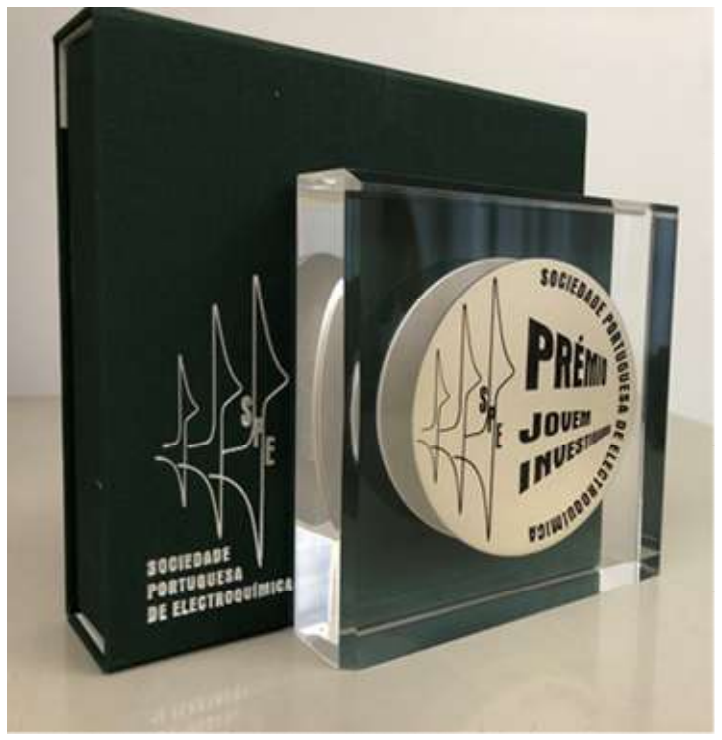
- Young Researcher Prize (Prémio Jovem Investigador) (Fig. 17), to encourage the publication in reputable journals of articles and the patent registration by young researchers. The awardees have been the following researchers: Mikhail Zheludkevich (2010), Luís Moreira Gonçalves (2011), Aleksey Yaremchenko (2012), João Tedim (2013), Diana Fernandes (2014), Lifeng Liu (2015), Sónia Gonçalves Patrício (2016), Maksim Sergeevich Starykevich (2017), Junyuan Xu-Young (2018) and Maria Cristina Castro Freitas (this year, 2023).
The SPE has also shown its appreciation to those who have payed relevant services to the development of Electrochemistry, namely as effective members of this Society, or on account of their high scientific merit, by distinguishing them with the award of the category of Honorary Member. The first one to receive this distinction was Prof. Isabel Gago, in 1995. The significance of this distinction is illustrated by her kind acknowledgment letter, which I had the pleasure to find in an old file (Figs. 18 and 19).
Apart from the polite and beautiful expression of her feelings, it is noteworthy the quality of the handwriting for whom was already 82 years old!
Although the letter is personal, I am allowed to divulge it in this way since Prof. Isabel Gago requested me therein “to convey her acknowlegments, when possible, to all the Portuguese scientific community”.
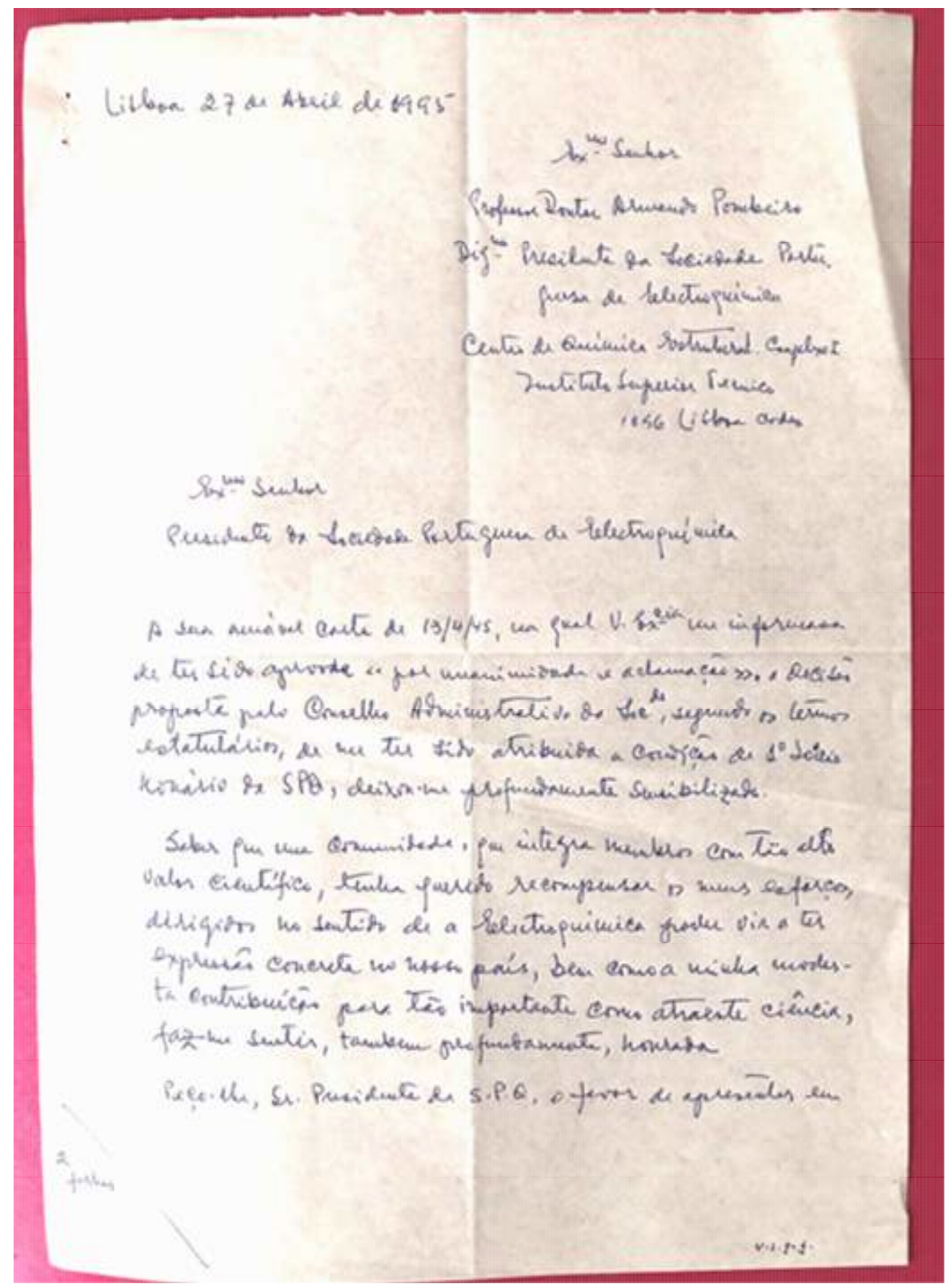
Figure 18: Acknowledgment letter of Prof. Isabel Gago upon being distinguished as Honorary Member of the SPE - 1st page.
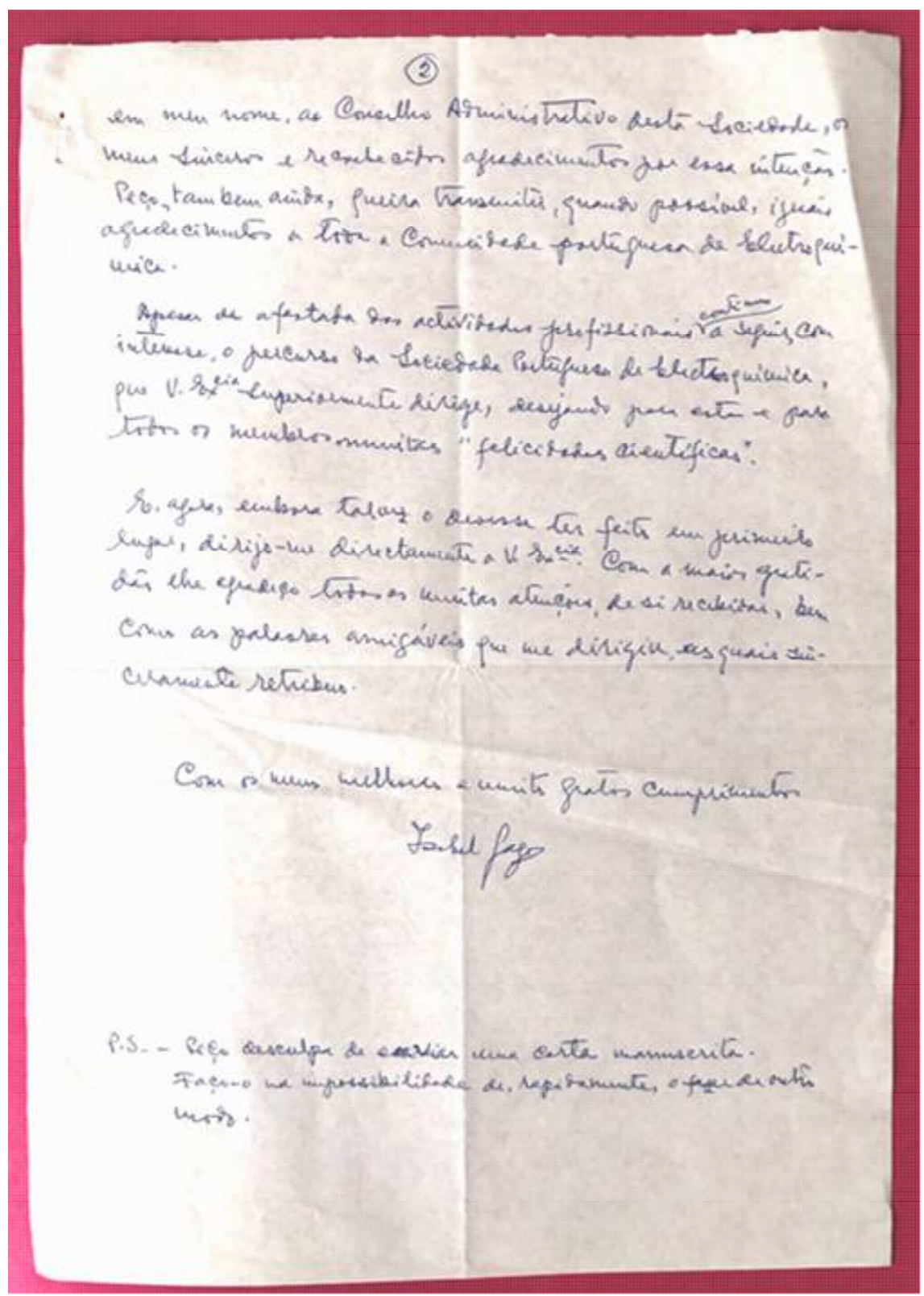
Figure 19: Acknowledgment letter of Prof. Isabel Gago upon being distinguished as Honorary Member of the SPE - 2nd page.
4. Coinage of celebratory medals
The SPE has coined medals to celebrate special events, as follows:
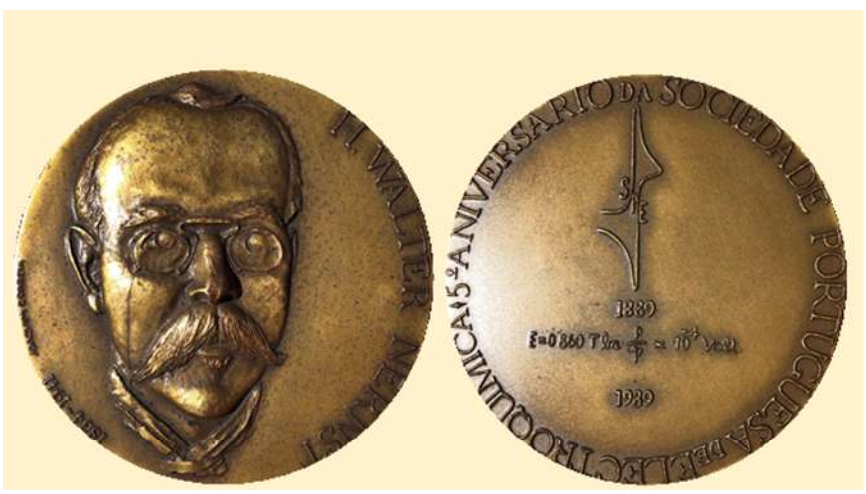
5th anniversary (1st lustrum, 1989), with Walter Nernst effigy and his equation (Fig. 20);
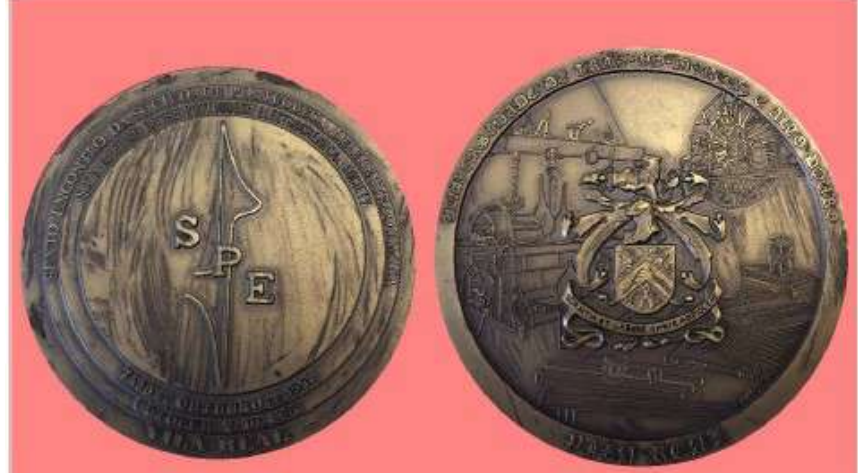
6th Meeting of the SPE (1992), held in Vila Real, with the logotype of the Universidade de Trás-os-Montes e Alto Douro (Fig. 21);
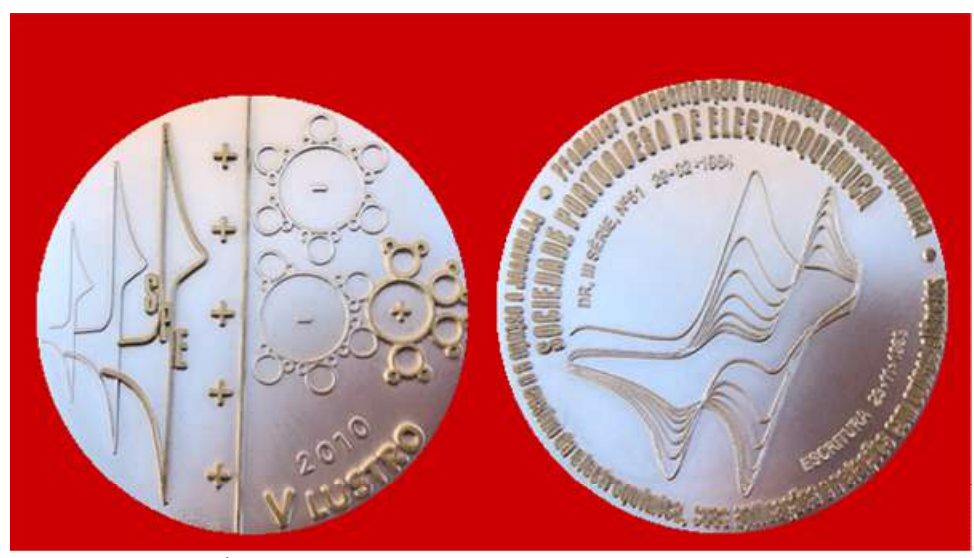
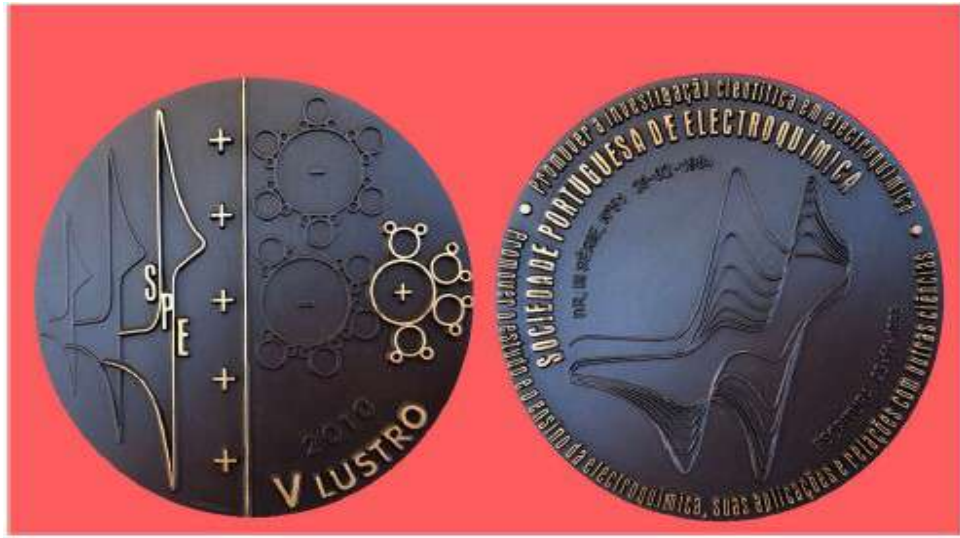
5th lustrum of the SPE (2010), with the society logotype, its mission (promote scientific research in electrochemistry; promote the study and teaching of Electrochemistry, its applications and relations with other sciences), and electrochemical motifs (including sequential cyclic voltammograms of an electron-transfer-chain (ETC) catalytic process, run by Prof. M. Fátima Guedes da Silva) (Figs. 22 and 23, concerning the silver and the black versions, respectively).
5. Survey of the Research on Electrochemistry in Portugal
Aiming to disseminate the knowledge on the scientific interests and expertises of the researchers and their groups, fostering the establishment of cooperations and networks, the SPE has conducted two surveys on the Electrochemical Research in Portugal, addressed to all the people working in this country with interests on Electrochemistry (both members and non-members of the SPE), even when this science was not their main field.
The first survey was undertaken on the occasion of the 5th anniversary celebrations of the SPE, was coordinated by myself and published in the celebratory silver special issue of PEA (vol. 7, June 1989, pp. 159-429) 4 (Fig. 24, left).
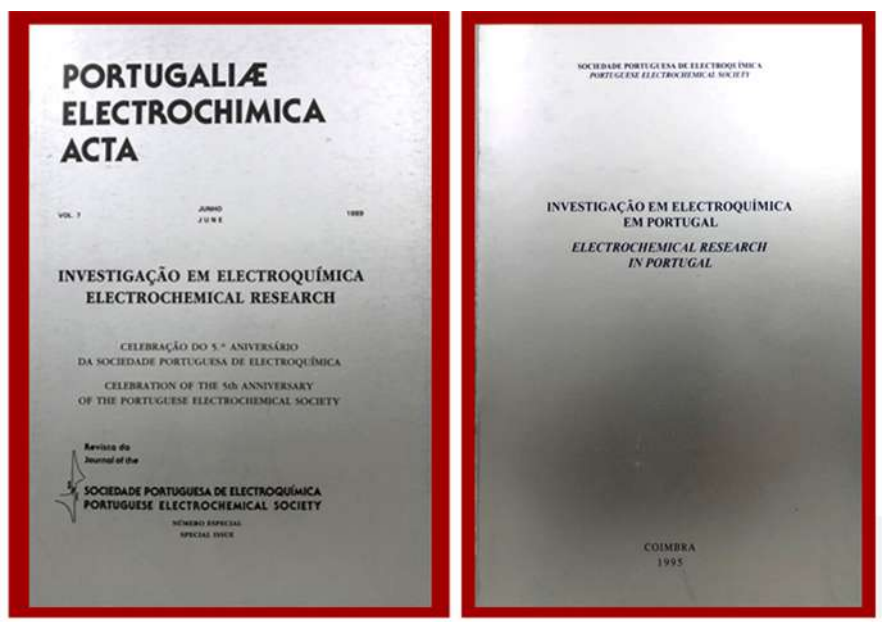
Figure 24: Left - 1st survey on Electrochemical Research in Portugal (silver special issue of PEA, vol. 7, June 1989); Right - 2nd survey on Electrochemical Research in Portugal (silver special issue of PEA, 1995).
This issue also contains a text about the “Genesis and the First Lustrum” of the Society (pp. 175-193) 1, as mentioned above, and other relevant contributions on the history of Electrochemistry and its development in the Portuguese institutions along the country, such as:
“An Outline of the Historical Development of Electrochemistry” by J. Simões Redinha, pp. 195-220; “The Growth of Electrochemistry in the University of Coimbra” by J. Simões Redinha, pp. 221-228; “Development of the Electrochemistry Research at the Universities and Other Institutions in Lisboa” (in Portuguese) by César Nunes Viana, pp. 229-235; “Electrochemistry at the Faculty of Sciences of Porto” by João Cabral, pp. 236-241; and “Development of Electrochemistry at the University of Minho” (in Portuguese and in English) by João Simão, pp. 243-250.
The second survey was launched ca. 6 years later, being coordinated by Carlos Paliteiro, the Secretary of the Society, and was published as another silver special issue of PEA in 1995 5,6 (Fig. 24, right), and collected information on 60 projects which were believed to constitute most of the projects in our country concerning Electrochemistry which were then under way. Hence, an updated survey, ca. 3 decades later, would obviously be timely and welcome.
6. Establishment of a library
The library of the SPE is probably a less known facility provided by this Society. Initially, it was coordinated by me, then by Fernanda Carvalho, followed (since 1992) by M. Fátima Guedes da Silva. It was hosted at the Secretary office of the Society, a room located in the Library of the Complexo I at the IST. This room was graciously made available by the “Serviços de Apoio à Investigação e Desenvolvimento” (SAID), headed by Prof. Abreu Faro. However, later on, in 2013, the SPE was forced to give up this space to the Directive Council of the IST.
The library collection was then transferred to the Library of the Chemistry Department of the University of Coimbra as a result of the efforts of Prof. Simões Redinha. The confirmation letter was signed by the Director of this Department, Prof. Alberto Canelas Pais (Fig. 25).
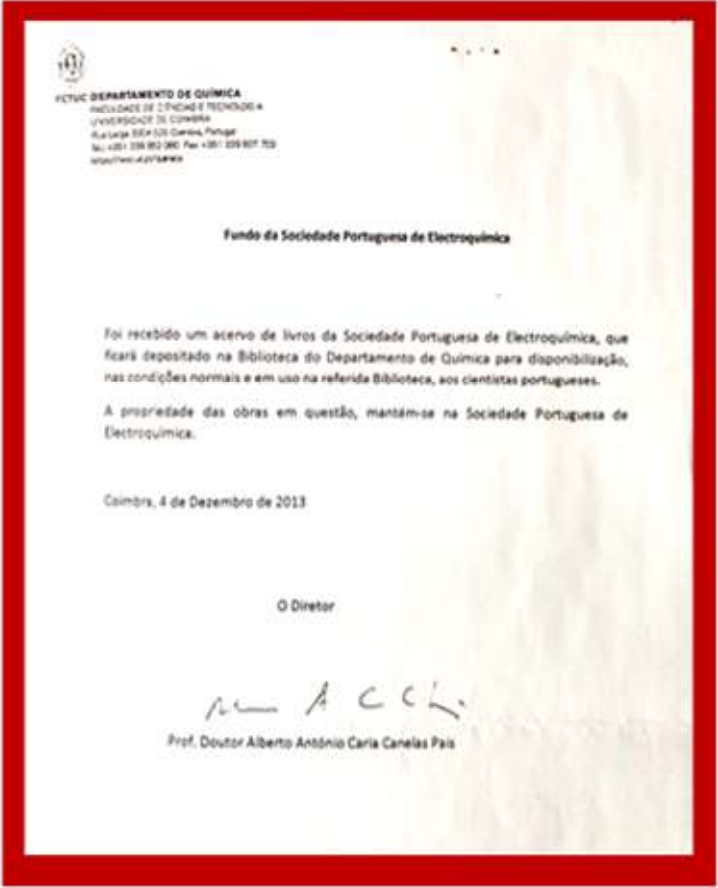
Figure 25: Letter from the Director of the Chemistry Department of the University of Coimbra (Prof. Alberto Canelas Pais) concerning the collection of books of the SPE deposited therein.
The Society Library collection addresses a diversity of books and fields but, on account of financial restrictions, new books are not being purchased for a while.
7. Promotion of cooperation with other societies
Since its foundation, the SPE has established cooperation with national and foreign institutions.
The former concern mainly the ACL, the SPQ and research centers, mostly in the joint organization or co-sponsorship of conferences (see the section on Organization of Conferences).
The close relationship of the SPE, at its early stage, with the ACL was already mentioned above, the latter supporting the foundation of the former. Moreover, other interactions between both societies have occurred along the life of the SPE, as illustrated by the organization of its XII Meeting at the ACL (2003), jointly with the symposium on “New Trends in Molecular Electrochemistry” within the new Frontiers of Knowledge Series of the Academy. This symposium led to the publication of the book under the similar title “Trends in Molecular Electrochemistry” (Armando J. L. Pombeiro and Christian Amatore (Eds.), Fontis Media / Marcel Dekker, Lausanne / New York, 2004) (Fig. 26).
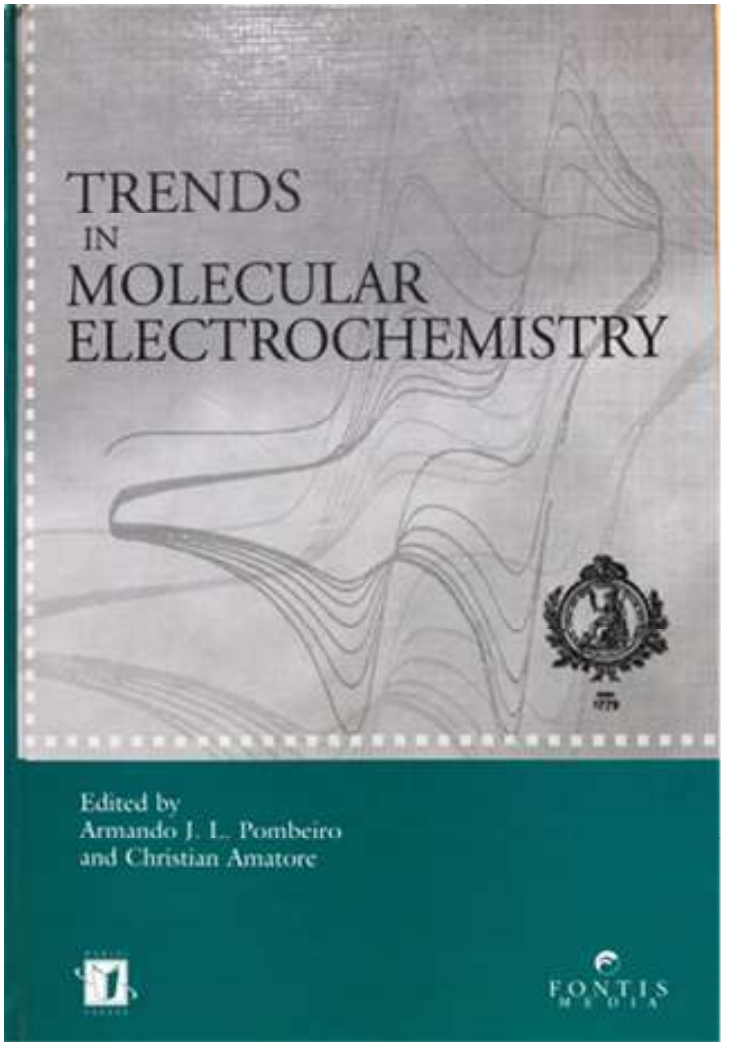
Figure 26: Book “Trends in Molecular Electrochemistry”, A.J.L. Pombeiro and C. Amatore (Eds.), Wiley, Fontis Media / Marcel Dekker, Lausanne / New York, 2004.
Another Portuguese institution with which the SPE interacted was the Portuguese Federation of the Scientific Societies and Associations (Federação Portuguesa das Associações e Sociedades Científicas, FEPASC) (Fig. 27), founded in 1991. The SPE was a member since its early times (it was represented by Prof. César Viana in the first General Assembly of this Federation, on December 3, 1991). Although with a promising impact in its early stage, this Federation progressively decreased its activities, and no record after 2006 seems to be found (Arquivo de Ciência e Tecnologia da FCT: ct.fct.pt/nos-25-anos-de-criacao-da-federacao-portuguesa-das-associacoes-e-sociedades-cientificas-fepasc/).
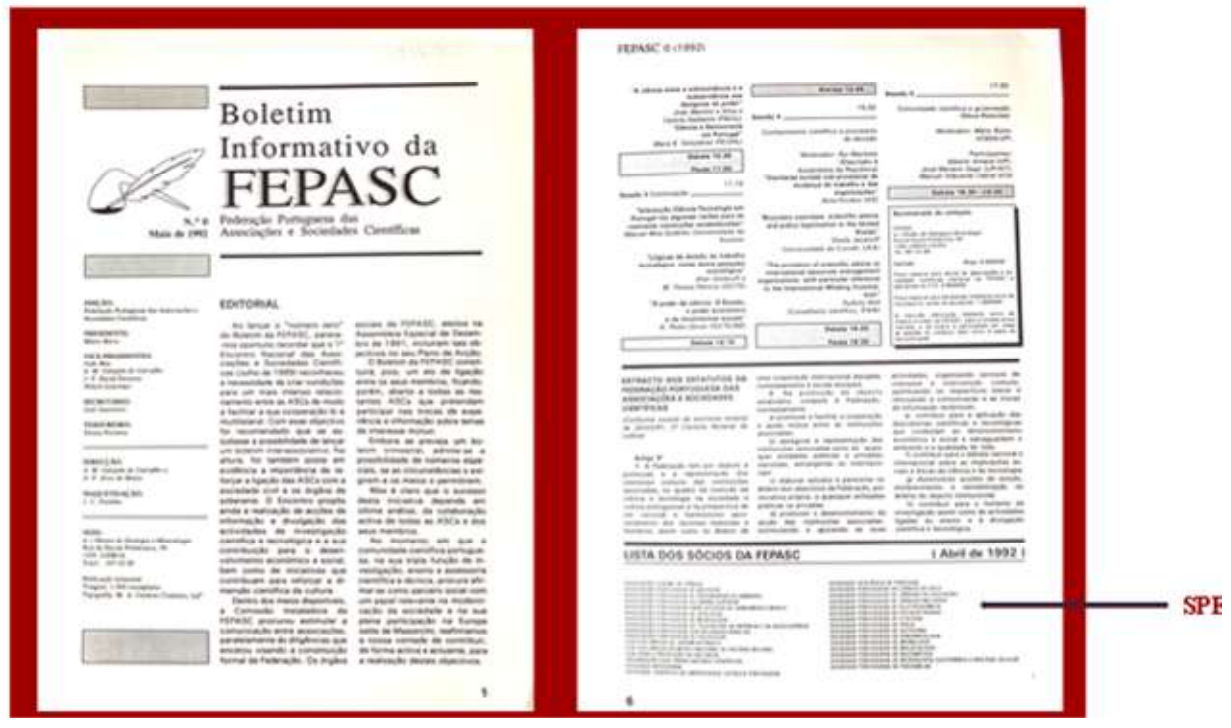
Figure 27: Extract of the first issue (Number 0, May1992) of the FEPASC Boletim Informativo (first and last pages).
Among the foreign and international organizations, the following ones are noteworthy:
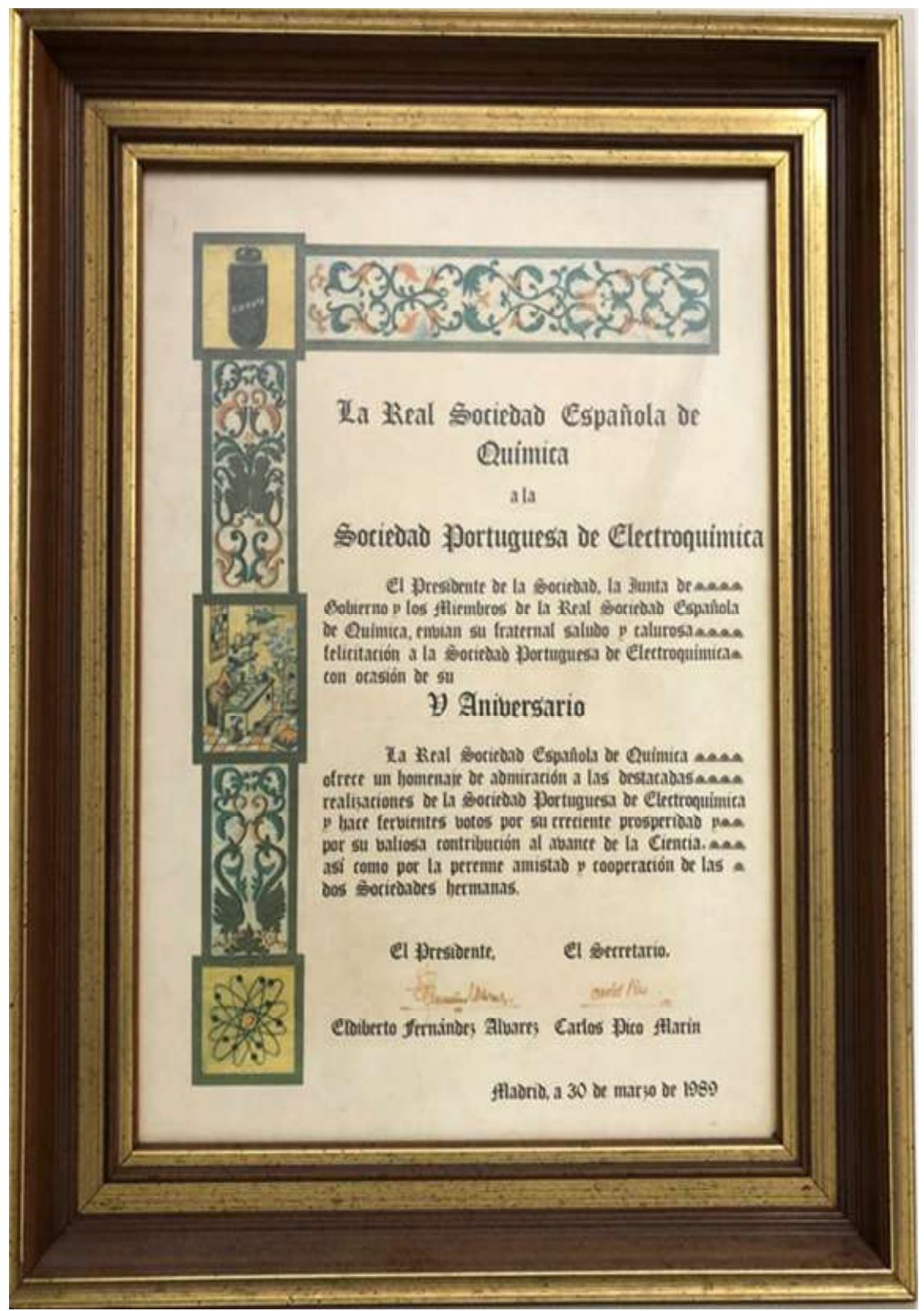
Spanish Royal Chemical Society (Real Sociedad Española de Química, RSEQ), through its Specialized Group of Electrochemistry (GEE-RSEQ). See above the joint organization of so many IMEs, and the congratulations message of the RSEQ addressed to the SPE in 1989, on the occasion of its 5th anniversary (Fig. 28).
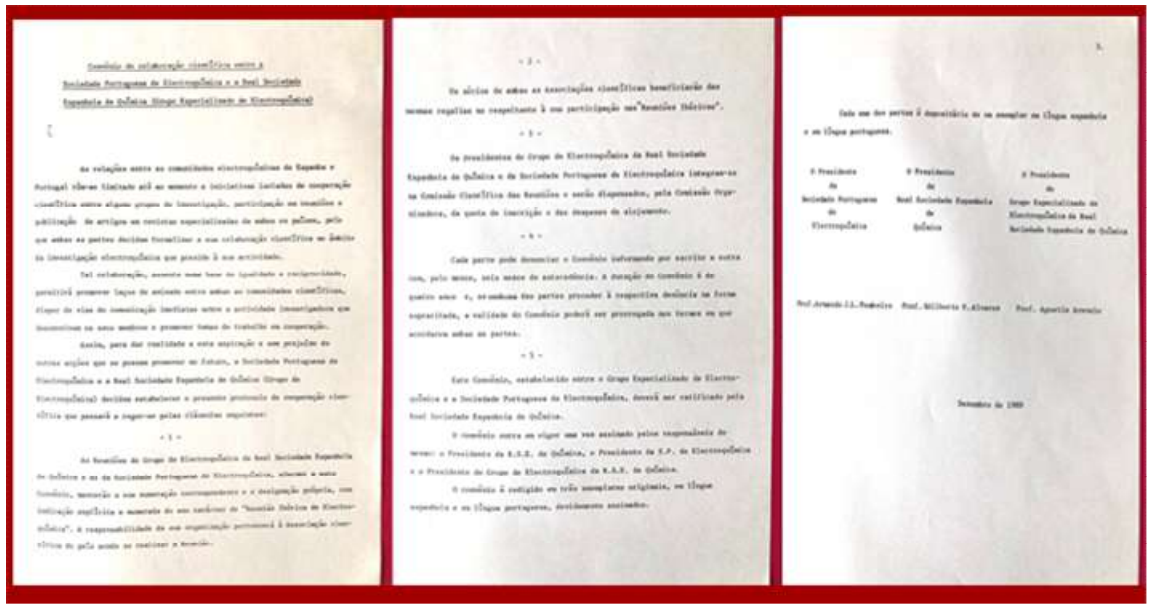
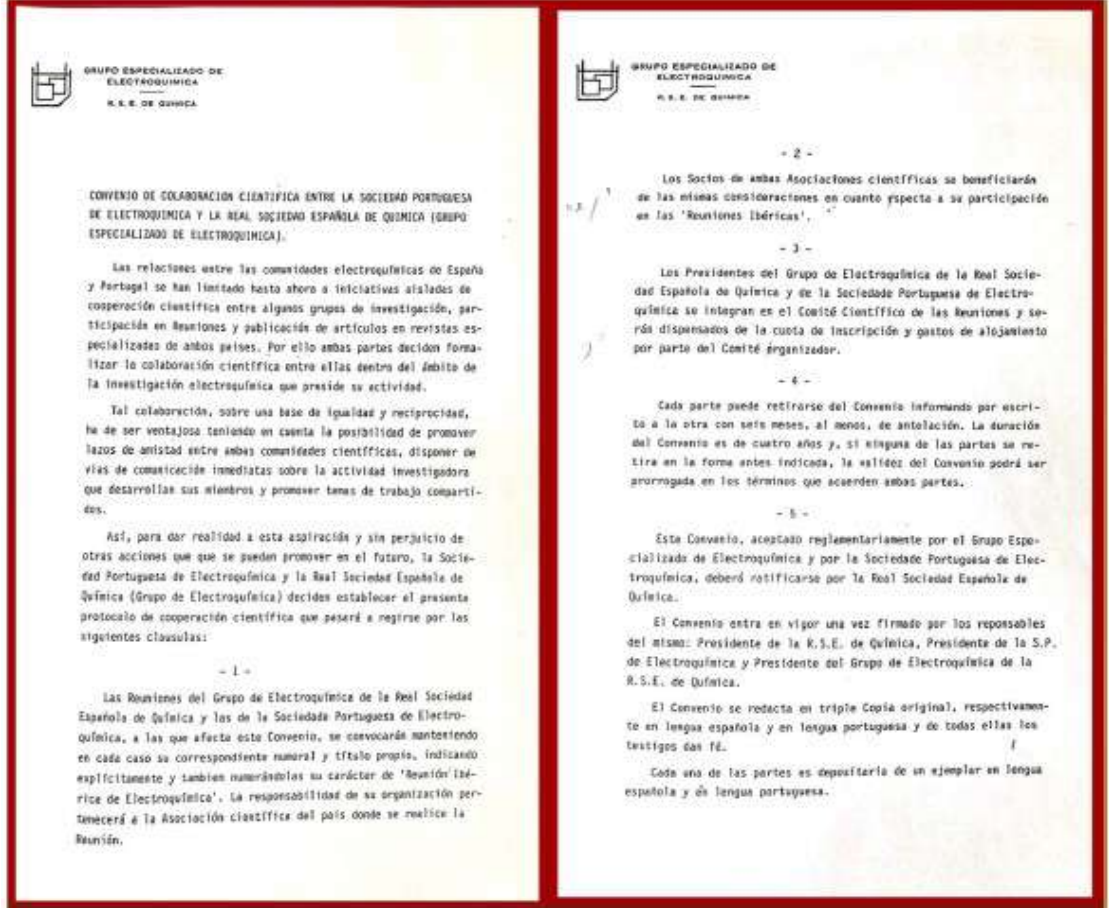
Collaboration Protocols were established in Valladolid (1989) and in Tenerife (1990), with A. Pombeiro and A. Arévalo as the representatives of the SPE and of the GEE-RSEQ, respectively (Figs. 29 and 30).
Iberoamerican Society of Electrochemistry (Sociedade Iberoamericana de Eletroquímica, SIBAE). The idea of creating this society was approved at the IX Iberoamerican Congress on Electrochemistry, held in La Laguna, Tenerife, Spain, July 1990, and the foundation was formalized in September 1992 at the X Congress in Cordoba, Argentina. The initiative was due to Prof. Agustín Arévalo (University of Tenerife, Canary Islands), who was assisted directly by myself (SPE) for Portugal and, in part, Spain. I was pleased to collaborate closely with him since the early start, namely in the attraction/admission/registration of members, preparation of the biennial lists of research centers, researchers and their publications in the involved countries, elaboration of by-laws, dissemination of information to our scientific societies, etc.
The first catalogue of SIBAE publications, grouped by general themes, concerned the1990-1991 biennium and, in its preamble, Prof. Agustin Arévalo summarizes the foundation of this society and the interest of such a catalogue, namely to provide (i) information on the share of the iberoamerican contribution in the electrochemical research, and (ii) acquaintance among the members, individually and collectively, towards joint supports, cooperations and interchanges (Fig. 31).
I was the national representative until 1996, followed by Prof. Maria Isabel Pereira since that date, then by Profs. Inês Fonseca (2000), Mário Ferreira (2006), Christopher Brett (2014) and, currently (since 2020), João Salvador Fernandes.
The SPE was a founding member of SIBAE and PEA was selected at the early stage to publish the proceedings of its meetings.
The XIV SIBAE Meeting in 2002 was held in Évora (a special issue of PEA, published in the following year, was dedicated to this congress) and the next one (2024) will also be held in Portugal, this time in Lisbon.
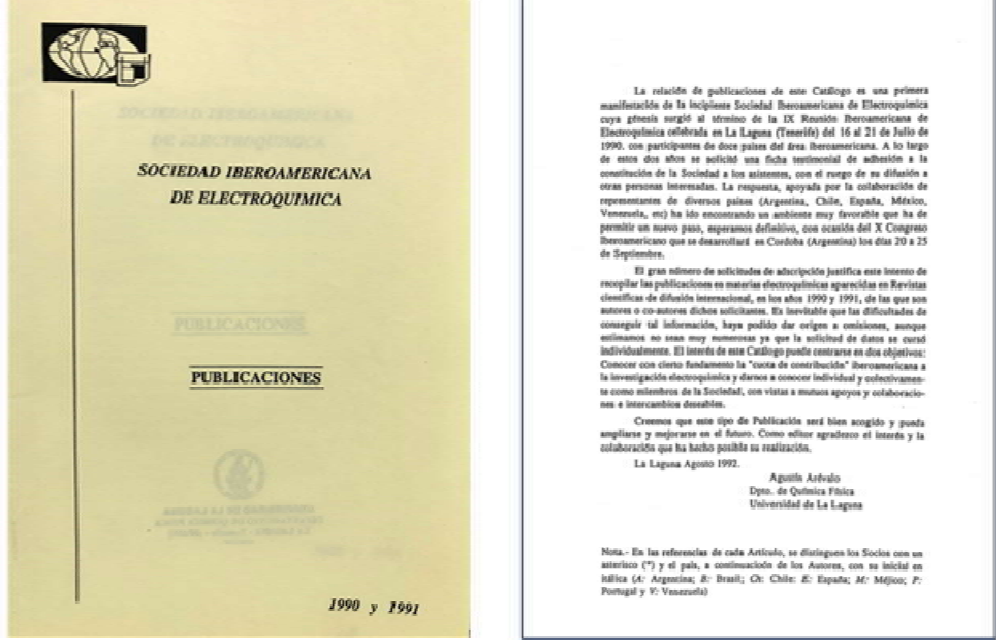
Figure 31: The first catalogue of SIBAE members’ publications (1990-1991). Left - cover; Right - preamble.
International Society of Electrochemistry (ISE): it has been sponsoring regularly the SPE meetings. The current regional representative is Ana Viana who followed Jorge Correia (2012-2017), Luísa Abrantes (2006-2011) and Isabel Pereira.
Federation of European Chemical Sciences, FECS) / European Association for Chemical and Molecular Sciences (EuCheMS) / European Chemical Society (EuChemS): the SPE became affiliated to this institution in 1986 (then designated by FECS), being represented by Prof. Simões Redinha, later (since 2001) by Prof. Carlos Paliteiro followed by Prof. Victor Lobo and by the Presidents of the Society.
Representative members of the SPE were nominated (end of 2019) to the following EuChemS Divisions: Chemistry and Energy (Diana Fernandes), Green and Sustainable Chemistry (Luísa Martins), and Chemistry and the Environment (Annabel Fernandes).
The SPE was a co-organizer (with the SPQ) of the 8th EuChemS Chemistry Congress (Lisbon, 28 August - 1 September, 2022) (see the section on the organization of conferences).
Mendeleev Chemical Society of Moscow (Electrochemistry Division), with which a protocol of cooperation was established following a meeting in the research campus of Chernogolovka, close to Moscow (August, 1991), of Prof. N. Bogachev (the Chairman of the Moscow Board of the Mendeleev Society), Prof. V. Dmitrenko (Chairman of the Electrochemical Section) and myself as the representative of the SPE, on the occasion of my visit therein to deliver a lecture at the congress on "Electrochemical Catalysis".
The slightly revised version of this Protocol (as received from the Moscow Chemical Society, based on the initial one already approved by the Directive Board of the SPE that I had sent for their consideration in 1991, signed by Prof. César Viana, then the SPE President) is shown in Fig. 32 with the covering letter (sent by FAX) mentioning also a proposal of a joint workshop to be held in Russia. However, this project could not be pursued on account of budget limitations experienced by these societies.
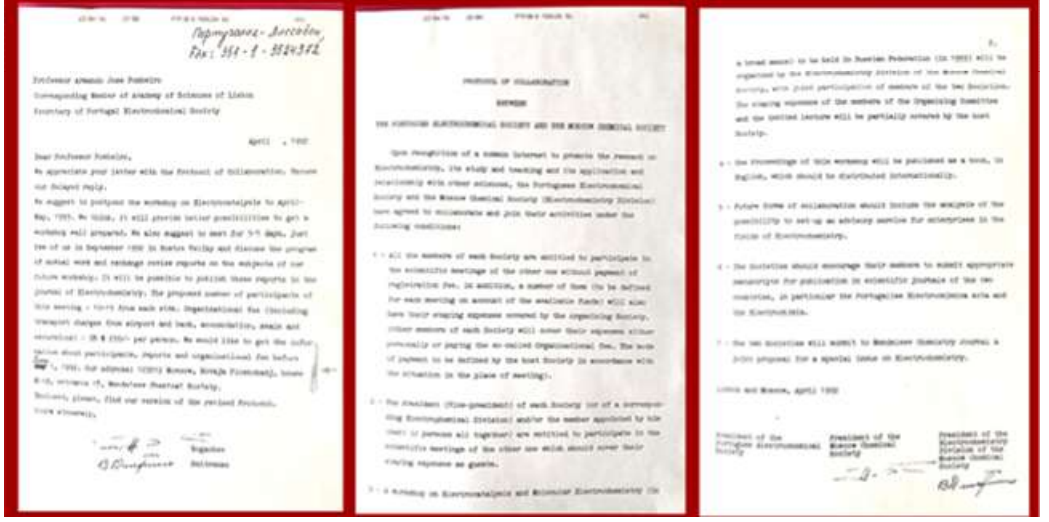
Figure 32: Protocol of collaboration between the SPE and the Moscow Chemical Society (Electrochemistry Division) (centre and right), and covering letter from the latter Society (left).
Royal Society of Chemistry (RSC): representation of the SPE (by Prof. César Viana) in its 150th anniversary celebration (1991), with an offer of a full collection of PEA issues to its library and of the 5th anniversary celebratory medal of the society.
8. Other initiatives
Concerning the teaching of Electrochemistry, the SPE has supported the organization of training courses on Electrochemical Techniques for secondary level teachers, held at ISEL (Instituto Superior de Engenharia de Lisboa) (e.g., in January 30th - February 4th, 2012, coordinated by Prof. Celeste Serra, and delivered by Profs. Elisabete Alegria, Luísa Martins and Victor Lobo), as well as intensive courses associated to the Meetings of the Society (e.g., on Electrochemical Impedance, on the occasion of the XIX NME, held in Aveiro, 2014).
The SPE organized a workshop on Electrochemistry and the Periodic Table (“A Eletroquímica e a Tabela Periódica”, September 28-29, 2019), within the VI Cycle of Conferences of the Faculty of Sciences of the University of Beira Interior on School and University: Pathways for Teaching and Dissemination of Science (“Escola e Universidade: Caminhos para o Ensino e a Divulgação de Ciência”). These Cycles aim to foster the interaction of the Secondary Level teachers with the University 7.
The SPE also organized the Electrochemistry Day (2011), at the IST, with lectures on batteries and electric cars, exhibition of electric vehicles and visits to laboratories (Fig. 33). This initiative fell within the celebration of the IUPAC and UNESCO International Year of Chemistry (IYC) under the overall theme “Chemistry - our life, our future”.
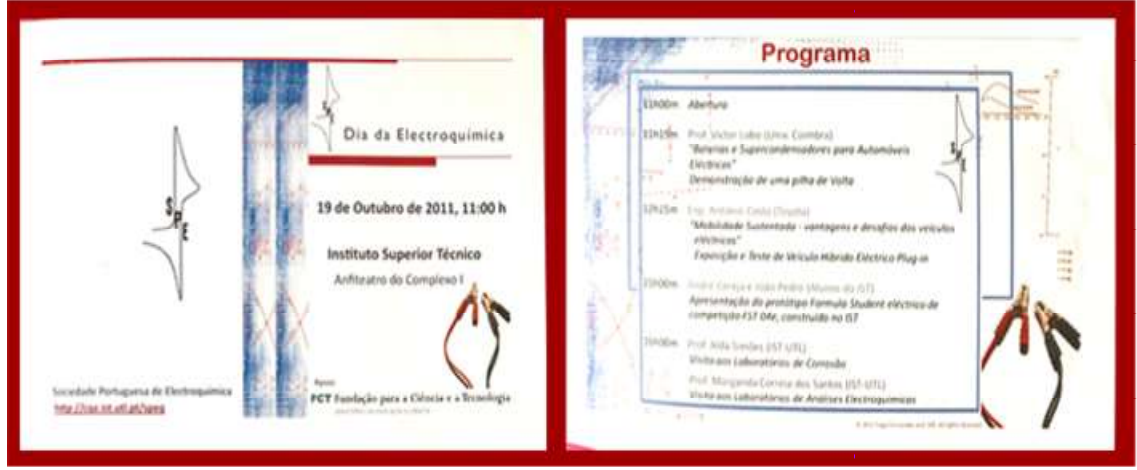
Presentations of a lead acid battery, of the Leclanché dry pile and of their electrochemical reactions, showing the distinction between a battery and a pile, were then provided by Prof. Victor Lobo (Fig. 34), who also addressed the diversity and relevance of electrochemical systems in the XIX century namely to feed the electric telegraph lines, e.g., in the USA and Russia. He also discussed the role of the development of the dynamo (1880s) in lead acid batteries.
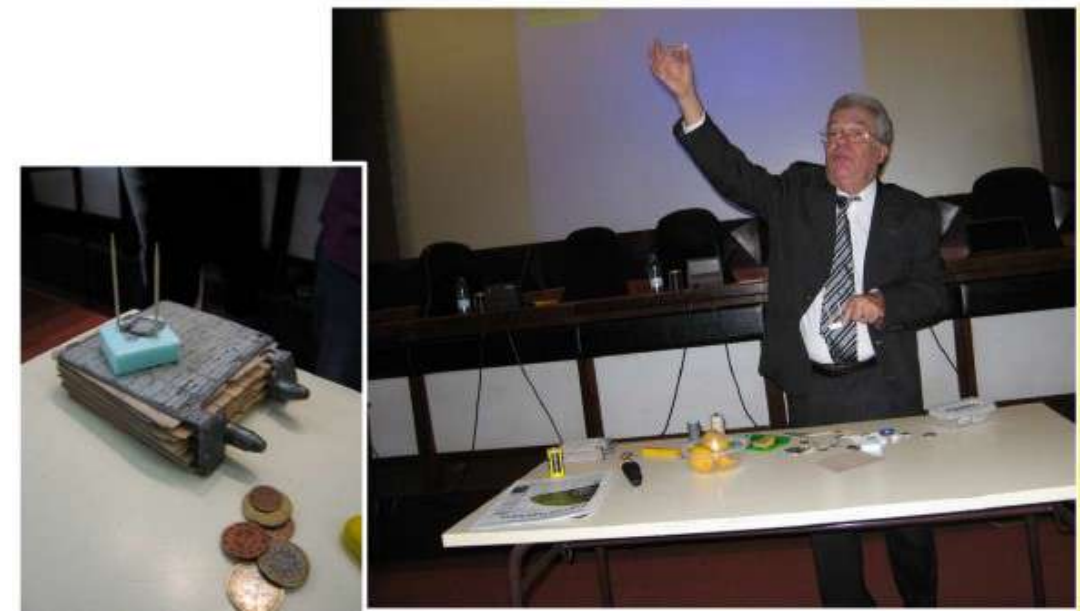
Figure 34: Demonstration of electrochemical systems by Prof. Victor Lobo at the Electrochemistry Day, IST, October 19th, 2011.
A hybrid car (Fig. 35, left) and an electric Formula Student car (Fig. 35, right) built at the IST which was awarded a number of prizes at the Formula Student races in the UK (2010) and Spain (2011) were in exhibition along the Electrochemistry Day.
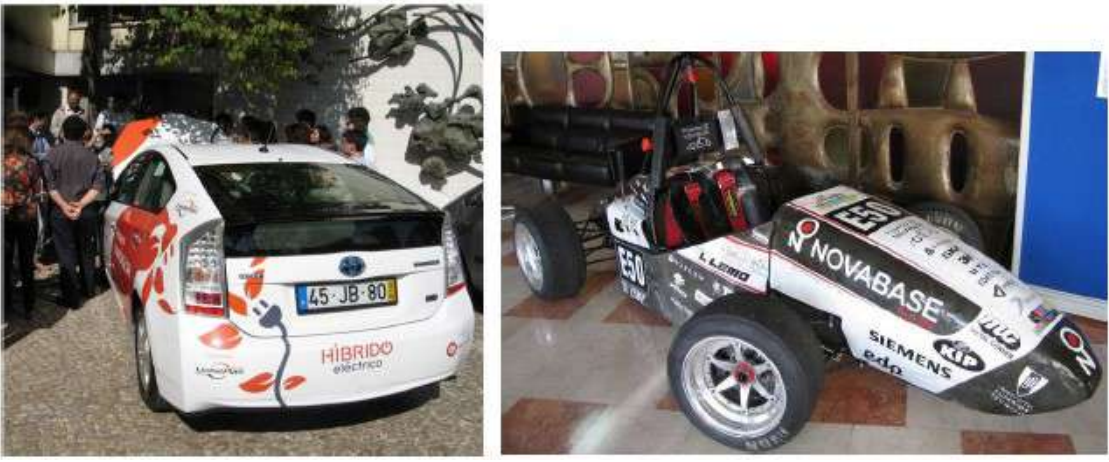
Figure 35: Hybrid car (Toyota) (left) and Electric Formula Student car built at the IST (right), exhibited at the Electrochemistry Day, IST, October 19th, 2011.
9. Prospects
Scientific Societies have an important role in the development of research and education in their domains, gathering scientists with common interests, fostering their relations and cooperations, establishing networks, etc. The SPE is trailing a long pathway for 4 decades and has contributed significantly towards those aims. Moreover, this is clearly shown by the success of this meeting.
The SPE concerns the Electrochemical sciences which are quite promising for a diversity of applications in relevant areas for attaining the UN Sustainable Development Goals (SDGs) within the 2030 Agenda for Sustainable Development.
Just to illustrate the issue, one can mention the Goal 7 (“Ensure access to affordable, reliable, sustainable and modern energy for all”) and consider (i) the lithium-ion batteries for electric cars, (ii) the oxygen reduction reaction (ORR) for fuel cells and metal-air batteries, (iii) the water splitting reactions to generate dihydrogen (hydrogen evolution reaction, HER) and dioxygen (oxygen evolution reaction, OER), etc. They are relevant to foster the human welfare.
Therefore, the SPE has the responsibility to contribute to the progress of these areas of electrochemical knowledge but without forgetting all the others, even those that do not have a clear applied character, thus aligned with the UN International Year of Basic Sciences for Sustainable Development (https://www.iybssd2022.org/en/home/).
However, there is still a long trail to be pursed, and many constraints to be overcome…
The pursuit of the activities described above is fundamental, but some types of actions are expected to be strengthened, namely pointing to the following directions:
- To update the website and expand its contents;
- To increase the number of members (this has not expanded in the last years) by attracting a wider involvement of the national community in the initiatives of the Society;
- To prepare a Vade mecum of the electrochemistry research in Portugal (no such a survey has been undertaken since almost 30 years);
- To survey the electrochemistry contents of the syllabuses of courses containing such a type of teaching material;
- To promote the organization of post-graduate electrochemistry courses;
- To organize seminars and short courses on selected topics of current interest;
- To resume the joint IMEs on Electrochemistry;
- To search for a sustainable support for PEA, which eventually can involve the interaction with an international publisher;
- To publish thematic issues of this journal and create an education section;
- To foster the national and international cooperation with other scientific institutions.
Nevertheless, the SPE is (and will be) what its members wish it to be and are prepared to contribute and to join their efforts. Hence, in simple terms, its future relies entirely on its members who can take the opportunity for fruitful discussions when joining in scientific meetings such as those (including the current one) that are being organized regularly by this Society.
I wish the highest success to the SPE in its expected future activities and, in particular, I am looking forward to seeing those along the next decade towards its Gold Anniversary…
Acknowledgments
I acknowledge the Directive Council of the SPE for the invitation to deliver this celebratory talk, and the colleagues who kindly provided some details, namely Victor Lobo, Diana Fernandes, Fátima Guedes da Silva, Artur Valente and Jorge Correia.
Photographs
All the photographs displayed in the Figures were taken by the author.
Abbreviations
ACL: Academia das Ciências de Lisboa (Lisbon Academy of Sciences)
GEE-RSEQ: Grupo Especializado de Electroquímica de la Real Sociedad Española de Química (Specialized Group of Electrochemistry of the Spanish Royal Society of Chemistry)
ICOMC: International Conference on Organometallic Chemistry
IME: Iberian Meeting of Electrochemistry
IST: Instituto Superior Técnico
NME: National Meeting of Electrochemistry
PEA: Portugaliae Electrochimica Acta
RSC: Royal Society of Chemistry
RSEQ: Real Sociedad Española de Química (Spanish Royal Chemical Society)
SPE: Sociedade Portuguesa de Eletroquímica (Portuguese Electrochemical Society)
SPQ: Sociedade Portuguesa de Química (Portuguese Chemical Society)

