




 Inglês (pdf)
 Artigo em XML
 Referências do artigo
 Tradução automática
 Enviar este artigo por email
 Citado por SciELO
  Similares em
SciELO
Similares em
SciELO 
 Permalink

Introduction
The ethical guidelines of research, including their codes and principles, along with their respective strengths and limitations, aim to safeguard and prevent the exploitation of human beings. In this regard, frameworks such as the Nuremberg Code, the Belmont Report, the Declaration of Helsinki, and the CIOMS guidelines emphasize and uphold the importance of social value as an ethical requirement, highlighting the contribution of research outcomes as a societal good (Borgeat, 2016; Wendler & Rid, 2017). Despite this emphasis, there is limited analysis regarding the concept of social value (Wendler & Rid, 2017), particularly in the context of children with special healthcare needs.
Children with special health care needs are defined as “those who have or are at risk of developing chronic physical, developmental, behavioral, or emotional conditions and who also require greater use of health services than the general population” (McPherson et al., 1998, p.138). This population has increased due to epidemiological changes and technological advancements, particularly in developing countries. In the United States, their prevalence was reported as 18.8% in 2019 (Ghandour et al., 2022), a figure believed to be similar in Latin American contexts.
This population requires significant resources; both the child and their family need comprehensive care involving the community and the broader system (Ghandour et al., 2022; Vargas, 2021). Within the context of inequities, children with special health care needs are more susceptible to social determinants such as poverty, lower caregiver education, and migration-factors that, in various ways, impact access to diagnosis, as well as to organized and high-quality health care (Ghandour et al., 2022). Moreover, caregiving entails a heavier burden for caregivers or family members, leading to physical, psychological, economic, and social repercussions (Kuo, 2011; Fernández et al., 2021). Consequently, this group faces social vulnerability, considering how their social conditions influence and affect the mechanisms for addressing health risks or threats (Cabieses et al., 2016).
It is important to note that the vulnerability attributed to children with special health care needs and their families is not merely a label or categorization. Instead, it stems from a reflection on the concept of vulnerability, as framed by Florencia Luna’s “layers of vulnerability” metaphor. This approach considers the individual characteristics of the subject and the diverse interactions between their specific circumstances (Luna, 2009). From this perspective, this framework contextualizes the value of research ethics concerning this population, recognizing their multiple, unique, and complex needs. In different contexts, these needs reveal specific vulnerabilities. Therefore, understanding the studied perspectives and realities provides insights into how ethical and social value has been expressed in this population's research.
Emanuel (2000) states that research is valuable when it is obligated to promote improvements in health or well-being by generating generalizable knowledge and outcomes. He defines this as an ethical requirement for two reasons: the responsible use of resources and the prevention of subject exploitation, understood as exposing individuals to potential harm without a probable scientific or social benefit. Later, Emanuel (2008) refines this concept, emphasizing the challenges inherent in translating research into health improvements. To ensure compliance with the principle of social value, he outlines four key considerations. Identifying beneficiaries: Defining potential short- and long-term beneficiaries. Assessing research value: Determining the potential benefits for each group of beneficiaries. Enhancing social value: Employing collaborative partnerships to disseminate research findings and integrate them into long-term collaborative strategies. Evaluating health infrastructure impact: consider the impact of the research on the existing healthcare infrastructure without undermining the capacity of the community and healthcare services.
Given the unique nature and complexity of children with special healthcare needs, an interdisciplinary approach is inherently required. This approach integrates diverse perspectives to foster a more comprehensive understanding (Pennington et al., 2020). Interdisciplinary research teams are particularly relevant in this context and must explicitly address the ethical value of their work.
Interdisciplinary collaboration in health care has demonstrated benefits for both internal and external stakeholders (Sunkara et al., 2020; Connell et al., 2022). However, in health research, there is generally insufficient emphasis on social value. While initiatives promoting public benefit, common good, and public interest exist, they remain limited (DuBois & Antes, 2018). Science is often viewed as inherently valuable, with knowledge generation possessing intrinsic worth, albeit with unforeseen practical applications (Ballantyne & Eriksson, 2019).
This underscores the importance of social value in interdisciplinary research on children with special health care needs, as it has often been overlooked. Several factors contribute to this neglect. Biomedical focus: A predominant emphasis on individual issues, excluding social factors and emergent properties. Neglect of social determinants: Ignoring causal social determinants without addressing justice and equity. Conflicts of interest: These require vigilant oversight to prioritize beneficence, particularly from the perspective of social value. Knowledge privatization: The commodification of knowledge fosters a market dynamic between producers and consumers of science, risking the prioritization of profit over scientific interest (Páez, 2021).
The classical conceptualization of social value has primarily focused on contributing to health and well-being through data compilation across studies (Emanuel, 2000). However, it has provided little detail on the practical and public utility of research-key aspects that ensure social value and should be explicitly addressed (Emanuel et al., 2004).
Based on the aforementioned considerations, the present study analyzes the social value of interdisciplinary research teams focused on children with special healthcare needs.
1. Methods
An integrative review was conducted following the five-stage consensus proposed by Crossetti (2012): problem formulation, data collection or definitions regarding literature search, data evaluation, data analysis, and results presentation and interpretation.
The guiding research question was structured using the PIS acronym (Population [P] + Intervention or Issue [I] + Situation [S]) as outlined by Salas-Medina (2019). The resulting question was formulated as follows: What is the social value of research in interdisciplinary teams working with children with special health needs?
1.1 Search Methods and Results
Articles were identified using the following inclusion criteria: studies addressing the phenomenon of interest regarding teamwork with an interdisciplinary approach in caring for children with special health care needs, written in Spanish or English, without temporal restrictions. Exclusion criteria included grey literature, letters to the editor, editorials, book chapters, theses, conference abstracts, opinion articles, essays, and posters.
The databases consulted were selected based on their relevance to the phenomenon of interest, encompassing both multidisciplinary and health-specific resources. The databases searched included Web of Science (WoS), SCOPUS, CINAHL, PubMed, and the Virtual Health Library (VHL). The search was conducted in April 2024.
The search strategy incorporated the following DeCS and MeSH descriptors and terms: “Interdisciplinary,” “Interdisciplinary Studies,” “Interdisciplinary Communication,” “Interdisciplinary Research,” “Interdisciplinary Placement,” “Interdisciplinary Health Team,” “Competence interdisciplinary,” “Skill interdisciplinary,” “Disabled Children,” “Child with chronic disease,” “Children and youth with Special Health Care Needs,” and "Children with special health care needs." These terms were combined using Boolean operators AND and OR. The specificity of the search strategy is detailed in Table 1.
Table 1 Central Search Equation, Strategy, and Applied Filters
| Central Search Equation | ||
|---|---|---|
| (((“Interdisciplinary”) OR (“Interdisciplinary Studies”) OR (“Interdisciplinary Communication”) OR (“Interdisciplinary Research”) OR (“Interdisciplinary Placement”) OR (“Interdisciplinary Health Team”) OR (“Competence interdisciplinary”) OR (“Skill interdisciplinary”) OR (Interdisciplinary*)) AND ((“Disabled Children”) OR (“child with chronic disease”) OR (“Children and youth with Special Health Care Needs”) OR (“Children with special health care needs”) OR (“Special Health Care Needs*”))) | ||
| Database | Search Strategy | Applied Filters |
| WoS | All fields | Languages: English, Spanish, Portuguese |
| SCOPUS | Article title, abstract, keywords | Languages: English, Spanish, Portuguese |
| CINAHL | AB Resumen | Languages: English, Spanish, Portuguese |
| PubMed | All fields | Languages: English, Spanish, Portuguese |
| VHL | Título, resumen, assunto | Idioma: English, Spanish, Portuguese Assunto principal: Equipe de Assistência ao Paciente; Comunicação Interdisciplinar; Atenção à Saúde; Pessoal de Saúde; Relações Interprofissionais; Assistência Integral à Saúde; Colaboração Intersetorial; Prestação Integrada de Cuidados de Saúde; Assistência Centrada no Paciente. |
Data extraction was guided by the criterion of social value described by Ezekiel Emanuel, focusing on the following reference points of this principle (Emanuel et al., 2004): Identification of beneficiaries: Determining and defining potential short- and long-term beneficiaries. Assessment of research value: Identifying the potential value of the research for each group of beneficiaries. Enhancing social value: Developing mechanisms to increase the social value of the research through collaborative partnerships that enable dissemination and integration into long-term strategies. Health infrastructure impact: Considering the research's impact on existing health infrastructure without undermining the capacity of the community and health services.
For data selection, three researchers conducted searches across various databases. The retrieved files were imported into the Rayyan platform, where duplicates were removed. Three independent reviewers performed a blinded analysis, selecting articles based on their titles and abstracts according to the inclusion criteria. One of the researchers resolved any discrepancies. Full-text articles were reviewed by two researchers. The final sample consisted of 21 articles, which have been archived in the Mendeley Data repository (Villa-Velásquez, 2024). The review flow diagram is presented in Figure 1.
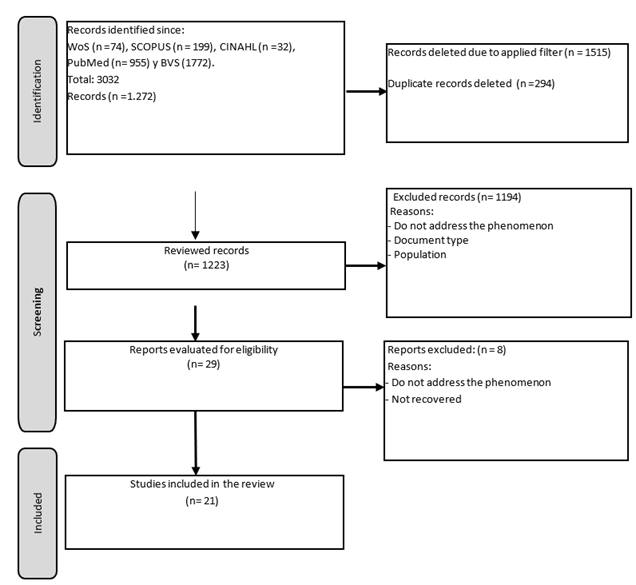
Figure 1 Flowchart of the Article Review Process in the Integrative Review. Note. Adapted from Page et al. (2021).
The quality of the studies was not assessed, as the objective of this review was to analyze the social value of the state of the art in the field rather than to evaluate the methodological rigor of each study.
2. Results
2.1 Characteristics of Included Studies
The final sample consisted of 21 articles. Of these, 1 was published in 1976 (Thompson et al., 1976), 1 in 1984 (Bailey, 1984), 3 during the 1990s (Moor et al., 1999; Tommet et al., 1993; Sharp, 1995), and 16 between 2000 and 2022 (Hirschfeld et al., 2019; Tosta & Serralha, 2022; Tileston et al., 2020; Boesch et al., 2018; McComish et al., 2016; Naar-King et al., 2002; Green et al., 2011; Góes & Cabral, 2017; Banez et al., 2014; Berman et al., 2000; Hinojosa et al., 2001; Ciccarelli et al., 2015; Kervick et al., 2022; Euan & Echeverría, 2016; Ogelby & Goldstein, 2014; Leach et al., 2021).
The majority of the studies originated in the United States (17 articles) (Hirschfeld et al., 2019; Tileston et al., 2020; Boesch et al., 2018; McComish et al., 2016; Naar-King et al., 2002; Green et al., 2011; Banez et al., 2014; Berman et al., 2000; Hinojosa et al., 2001; Ciccarelli et al., 2015; Thompson et al., 1976; Kervick et al., 2022; Tommet et al., 1993; Ogelby & Goldstein, 2014; Bailey, 1984; Sharp, 1995; Leach et al., 2021). Two articles were from Brazil (Góes & Cabral, 2017; Tosta & Serralha, 2022), 1 from Mexico (Euan & Echeverría, 2016), and 1 from the Netherlands (Moor et al., 1999).
Regarding the methodology. Quantitative methods: 7 articles (Boesch et al., 2018; Naar-King et al., 2002; Banez et al., 2014; Berman et al., 2000; Moor et al., 1999; Ciccarelli et al., 2015; Thompson et al., 1976). Qualitative methods: 6 articles (Tosta & Serralha, 2022; Góes & Cabral, 2017; Hinojosa et al., 2001; Kervick et al., 2022; Euan & Echeverría, 2016; Tommet et al., 1993). Mixed methods: 1 article (Hirschfeld et al., 2019). Descriptive studies: 3 articles (Tileston et al., 2020; McComish et al., 2016; Green et al., 2011). Narrative reviews: 2 articles (Ogelby & Goldstein, 2014; Leach et al., 2021). Theoretical analyses: 2 articles (Bailey, 1984; Sharp, 1995). For further details, refer to Table 2.
Table 2 Main Characteristics of the Reviewed Studies
| Author, Country and Year | Study Objective | Type of Study | Participants |
|---|---|---|---|
| Hirschfeld, Barone, Johnson & Boss USA 2019 | To identify how the communication practices of inpatient care teams align with the needs of teams managing "medically complex patients with repeated and prolonged hospitalizations." | Cross-sectional mixed-methods survey. | Interdisciplinary healthcare professionals. |
| Tosta & Serralha Brazil 2022 | Experience of an interdisciplinary intervention conducted with a hospitalized girl with complex chronic illnesses. | Qualitative, descriptive (field diary). | Psychologist and Occupational Therapist. |
| Tileston, Griffin, Wagner, O’Day & Krane. USA 2020 | Description of the roles of the interdisciplinary team in cases of children and adolescents with Complex Regional Pain Syndrome (CRPS). | Descriptive | Orthopedic surgeon, pain specialist occupational therapist, physiotherapist, pain psychologist. |
| Boesch, Balakrishnan, Grothe, Driscoll, Knoebel, Visscher & Cofer. USA 2018 | Evaluate the impact of an interdisciplinary care model in terms of efficiency, risk exposure, and cost. | Quantitative, retrospective cohort. | Children with aerodigestive problems treated in the interdisciplinary clinic setting. |
| McComish, Brackett, Kelly, Hall , Wallace & Powell. USA 2016 | Description of an interdisciplinary feeding team that applies a medical, motor, and behavioral approach to treating pediatric feeding disorders. | Descriptive | Pediatric gastroenterologists, nurse practitioners, speech therapists, pediatric dietitians. |
| Naar-King, Siegel & Smyth. USA 2002 | Evaluate the satisfaction of parents, children, and staff with a collaborative interdisciplinary program for children with special healthcare needs. | Quantitative, descriptive observational. | Parents, children, and healthcare staff. |
| Green, Alioto, Mousa & Di Lorenzo. USA 2011 | Description of the experience of interdisciplinary treatment for hospitalized children with severe rumination syndrome. | Descriptive | Children with severe rumination syndrome and an interdisciplinary team that included: pediatric psychology, pediatric gastroenterology, clinical nutrition, child life, therapeutic recreation, and massage therapy. |
| Góes & Cabral. Brazil. 2017 | Uncover the discursive and social practices of healthcare professionals and family caregivers regarding the hospital discharge of children with special healthcare needs. | Qualitative, Descriptive. | Healthcare professionals: social workers, nurses, physiotherapists, doctors, nutritionists, psychologists, and family caregivers. |
| Banez, Frazier, Wojtowicz, Buchannan, Henry & Benore. USA 2014 | Describe the results from 24 to 42 months of a combined interdisciplinary pain rehabilitation program for hospitalized and day patients, targeting children and adolescents with chronic pain and functional disability. | Quantitative, retrospective longitudinal. | Children and adolescents with chronic pain and functional disability. |
| Berman, Miller, Rosen & Bicchieri. USA 2000 | Investigate the differences in team functioning before and after the assessment training. | Pre-post trial. | 19 specialists in rehabilitation and education. |
| De Moor , Didden, Nuis &Van de Ven. Netherlands 1999 | Description of the improvement in the functioning of an interdisciplinary team. | Quantitative descriptive. | Physiotherapists, speech therapists, occupational therapists, educators, child caregivers, psychologists, social worker, nurses, secretaries, and a director. |
| Hinojosa, Bedell, Buchholz, Charles, Shigaki & Bicchieri USA 2001 | Examine the functioning of an interdisciplinary team as a research entity and as a service provider. | Qualitative, descriptive. | The research team, composed of a clinical psychologist, a developmental psychologist, a physiotherapist, an early childhood educator, and two occupational therapists (explored their own process); the early intervention team, consisting of seven members: a social worker, a director, a teacher, a teaching assistant, a speech-language pathologist, an occupational therapist, and a physiotherapist; and the family of a 19-month-old girl with a cerebral palsy diagnosis. |
| Ciccarelli, Gladstone & Armstrong. USA 2015 | Report on the ongoing work of a state program supporting transition for youth aged 11 to 22 with complex medical conditions and socially complex lives. | Quantitative, descriptive observational. | The disciplines represented in the team included nursing, social work, family liaison, medicine, and administrative support. |
| Thompson, Garrett, Striffler, Rutins, Palmer & Held. USA 1976 | Description of an interdisciplinary diagnostic and treatment program for children with developmental disabilities aimed at enabling the documentation of its effectiveness and replication. | Quantitative, descriptive observational. | The interdisciplinary team is composed of a special education teacher and assistant, a speech-language pathologist, a social worker, a psychologist, a nutritionist, a community services representative, a consulting psychiatrist, a physiotherapist, a pediatrician, an occupational therapist, and a neurologist. |
| Kervick, Haines, Green, Reyes, Shepherd, Moore M, et al USA 2020 | Understand how medical, educational, and social service providers in a community collaborate with refugee families whose children have special healthcare needs, what challenges they face, and how they could collaboratively address the identified needs. | Qualitative, participatory action research. | Interdisciplinary professionals from schools, medical clinics, and social service agencies; as well as university researchers and community professionals. |
| Euan & Echeverría. Mexico 2016 | Develop an intervention project that promotes interdisciplinary work for the creation of psycho-pedagogical assessments for students with disabilities in a Multiple Care Center. | Qualitative, participatory action research. | Nine teachers from the corresponding educational level and paraprofessionals, including a communication teacher, a psychologist, a social worker, a physiotherapist, and a general practitioner, did not participate due to the end of their employment. |
| Tommet, York, Tomlinson, Leonard. USA 1993 | Evaluate the school and community need for formal postgraduate preparation for nurses working with individuals with developmental disabilities and/or special healthcare needs. | Qualitative focus groups. | Twenty-five nurses in leadership positions representing urban and rural health agencies across Minnesota. |
| Ogelby & Goldstein. USA 2014 | Description of the current landscape of pediatric hospital care for children with potentially life-threatening illnesses. | Descriptive/narrative review. | Children with potentially life-threatening illnesses and palliative care. |
| Bailey DB USA 1984. | Proposes a triaxial model to conceptualize the team process and dysfunction in teams. | Theoretical analysis. | Interdisciplinary team for children with disabilities. |
| Sharp HM USA 1995 | Examine the collective decision-making process that is fundamental to patient care in interdisciplinary teams; present a model for clinical ethical decision-making; and provide a discussion on ethical decision-making in team-based care. | Theoretical analysis. | Interdisciplinary teams. |
| Leach, Stack, & Jones. USA 2021 | Description of the roles of essential providers supporting children with medical complexity. | Descriptive/narrative review. | Multidisciplinary team addressing children with medical complexity. |
2.2 Determination and Definition of Potential Beneficiaries in the Short and Long Term
Regarding potential beneficiaries-those for whom the research is valuable-most articles identify specific groups or individuals in similar situations to children with special healthcare needs (Góes & Cabral, 2017; Kervick et al., 2022).
Within this spectrum, beneficiaries include Medically complex children (Hirschfeld et al., 2019; Sharp, 1995). Children with complex chronic conditions (Tosta & Serralha, 2022; Boesch et al., 2018; Ciccarelli et al., 2015; Ogelby & Goldstein, 2014; Sharp, 1995). Children with complex regional pain syndrome (Tileston et al., 2020). Children with feeding difficulties (McComish et al., 2016; Green et al., 2011). Children with severe chronic conditions, pain, and disabilities (Naar-King et al., 2002; Banez et al., 2014; Berman et al., 2000; Moor et al., 1999; Hinojosa et al., 2001; Thompson et al., 1976; Tommet et al., 1993; Bailey, 1984). Children with special educational needs (Euan & Echeverría, 2016). The articles emphasize the characteristics of children with special healthcare needs as a group facing chronic physical problems that impact their behavioral, emotional, and social domains due to exposure to complex and multifactorial challenges.
The characteristics of children with special healthcare needs are specified with epidemiological arguments, emphasizing their complexity and the challenges in meeting their needs and the practical aspects of care. This is followed by highlighting the importance of interdisciplinary teams through research focused on Communication (Hirschfeld et al., 2019). Experience of interdisciplinary intervention (Tosta & Serralha, 2022; Tileston et al., 2020; Banez et al., 2014; Berman et al., 2000; Ciccarelli et al., 2015; Euan & Echeverría, 2016). Description and evaluation of interdisciplinary care models (Thompson et al., 1976; Boesch et al., 2018). Description of team care experiences (McComish et al., 2016; Green et al., 2011; Leach et al., 2021). Evaluation of satisfaction among parents, children, and staff regarding an interdisciplinary collaboration program (Naar-King et al., 2002). Evaluation of team functioning (Moor et al., 1999; Hinojosa et al., 2001; Ogelby & Goldstein, 2014; Bailey, 1984). Discursive and social practices of professionals and caregivers regarding hospital discharge (Góes & Cabral, 2017). Understanding of the approach by providers (Kervick et al., 2022). Evaluation of the need for postgraduate training for nurses in relation to disabilities (Tommet et al., 1993). Ethical decision-making (Sharp, 1995).
Consequently, children with special healthcare needs are described, highlighting their specific needs and establishing a connection to the importance of the interdisciplinary approach by health teams. Thus, the structure places the child with special needs at the center as the primary beneficiary of the actions, roles, and interventions of the health teams.
2.3 Potential Value of the Research for Each of the Possible Beneficiaries, Classifying the Importance of the Problem
The potential value is expressed through the description of the biological characteristics of children with special healthcare needs, which are multiple and complex. It is emphasized that their health condition affects various aspects of daily life and family life (McComish et al., 2016; Banez et al., 2014; Moor et al., 1999). The importance of the interdisciplinary approach is highlighted through its benefits: reduction in care and diagnostic times, as well as fewer risks and care costs (Boesch et al., 2018); early referrals, pain reduction, and functional restoration (Tileston et al., 2020); and as a mechanism to facilitate the transition from pediatric to adult care (Ciccarelli et al., 2015).
Areas where the benefits or potential value of the research contribute include: the importance of effective communication as a strategy to avoid risks and negative consequences for children, families, and professionals (Hirschfeld et al., 2019); the challenge of overcoming the biomedical approach by creating environments that promote child development (Tosta & Serralha, 2022; Góes & Cabral, 2017); a coordinated and integrated diagnostic and therapeutic interdisciplinary approach as a requirement for achieving optimal results and efficient care (Boesch et al., 2018; McComish et al., 2016; Green et al., 2011; Banez et al., 2014); the influence of the collaborative approach on role functioning, providing an opportunity to share knowledge and make collaborative decisions (Leach et al., 2021); a truly holistic approach when it generates genuine and continuous coordination (Ogelby & Goldstein, 2014); and recognizing the challenges involved in providing effective and coordinated support (Kervick et al., 2022).
Other areas that contribute to the benefits or potential value of the articles include: the lack of systematic evaluations related to collaborative interdisciplinary programs that consider user satisfaction (patients, families, and providers) (Naar-King et al., 2002); in this same context, the need to examine effectiveness (Berman et al., 2000) and team functioning through reflection (Hinojosa et al., 2001) and analysis of a model centered on the process and dysfunction within teams (Bailey, 1984); procedures for improving team functioning through knowledge and monodisciplinary skills, evaluating the need for interdisciplinary training, and improving team processes (Moor et al., 1999); however, the difficulty of documenting the effectiveness of an interdisciplinary program is identified (Thompson et al., 1976).
In the context of the education of children with special healthcare needs, deficiencies are identified in the training of professionals to address the multiple problems faced by this population (Euan & Echeverría, 2016). Similarly, nursing requires training and leadership to meet the needs of children, contributing to the development of interdisciplinary services (Tommet et al., 1993).
From an ethical perspective, the interdisciplinary team approach is highlighted as the standard of care. However, it presents exclusive ethical issues related to maintaining trust among team members, balancing individual and shared responsibilities, and the influence of groupthink on decision-making (Sharp, 1995). Considering the above, a wide range of topics are identified that emphasize the potential value of the studies, justifying the importance of research in the area and its potential consequences for children with special healthcare needs and healthcare teams.
2.4 Mechanisms to Increase the Social Value of Research through Collaborative Partnerships
Most of the articles do not explicitly mention short- or long-term collaborative partnerships. Instead, the results primarily focus on presenting experiences (Tosta & Serralha, 2022; Tileston et al., 2020; McComish et al., 2016; Banez et al., 2014; Hinojosa et al., 2001), affirming the importance of interdisciplinary practices (Tosta & Serralha, 2022; Góes & Cabral, 2017), and evaluating models and processes in the interdisciplinary care of teams (Boesch et al., 2018; Naar-King et al., 2002). However, the act of publishing the research findings demonstrates a commitment, though not explicitly stated, to the dissemination of results.
The articles propose suggestions regarding interdisciplinary work in the context of children with special healthcare needs. Some of the suggestions include: priorities for improving communication and continuity of care, as well as including the experiences of patients and families (Hirschfeld et al., 2019); encouraging nursing to take the first steps in adopting the interdisciplinary approach in places where it has not yet been implemented (McComish et al., 2016); improving aspects related to patient access and satisfaction concerning wait times through activities in the waiting room, and recommending formal training on the collaborative and interdisciplinary model (Naar-King et al., 2002); considering the influence of the context to improve team collaboration (Hinojosa et al., 2001); having school nursing to facilitate interaction and collaboration (Kervick et al., 2022); emphasizing the need for individual will, positive attitude, and commitment to be communicated to all team members to achieve interdisciplinary cooperation and collaboration (Euan & Echeverría, 2016); and clearly defining roles and maintaining electronic documentation of care plans that allow communication with the team and patients (Leach et al., 2021).
Some interactions that contribute to increasing social value include generating dialogues and questions as a result of the research, but these are often confined to interventions and limited in time (Tosta & Serralha, 2022; Ciccarelli et al., 2015). On the other hand, work practices are described, showing what is done, but without further detail on the implications, operational contributions, or continuity of the initiatives (Thompson et al., 1976). Nonetheless, the articles recommend possible approaches through future research (Banez et al., 2014; Berman et al., 2000; Naar-King et al., 2002) and the planning of other projects (Kervick et al., 2022).
Three studies explicitly mention actions that increase social value through dissemination and collaboration strategies: McComish et al. (2016) highlights the team's contribution by offering workshops for the local and national community, along with a future dissemination plan that will include a food blog and the development of a support network for families and professionals; Tommet et al. (1993) acknowledges support from various government institutions in generating the article and describes that part of the results were presented at a national pediatric conference. Additionally, the Dutch article creates a program with training to support and improve team processes, linking their results within a quality framework and political commitments of the country (Moor et al., 1999).
2.5 Impact of the Research on Existing Health Infrastructure
The impact of the research highlights the theoretical contributions (Bailey, 1984; Sharp, 1995; Leach et al., 2021) without pointing to consequences in terms of actions or follow-up commitments (Ogelby & Goldstein, 2014). No significant drawbacks or risks arising from the research are expressed, with the impact being local in nature, and there is limited or no description of operational advancements or consequences (Tosta & Serralha, 2022; Hirschfeld et al., 2019). A passive attitude is perceived as proposals or strategies are presented in a recommendation format (Góes & Cabral, 2017). However, the studies acknowledge limitations and the lack of data that would allow for more decisive and in-depth conclusions (Banez et al., 2014; Berman et al., 2000; Ciccarelli et al., 2015).
Facilitating and hindering aspects of interdisciplinary work are identified, as well as clinical needs, implications, and suggestions (Tileston et al., 2020; McComish et al., 2016; Naar-King et al., 2002; Moor et al., 1999; Hinojosa et al., 2001; Thompson et al., 1976; Euan & Echeverría, 2016). However, there is limited explanation or background on their implementation or practical approach (Boesch et al., 2018; Ogelby & Goldstein, 2014; Bailey, 1984). Consequently, the discussion remains centered on generating knowledge and documenting experiences, introducing uncertainties and imprecisions regarding the follow-up of the initiatives developed.
In contrast, two articles describe specific impacts: Kervick et al. (2022) reported having the opportunity to connect the research with practice. Notably, the methodology used was participatory action research, which could explain its contribution. The article by Tosta & Serralha (2022) reports the influence of the research experience on the author's initiation into the field of training related to children with complex needs, contributing to the human capital and resources of the institution.
3. Discussion
During the review, the category of determining and defining potential beneficiaries was clearly identified, as the articles provide a clear description of the needs and relevance of children with special health needs, presenting arguments that justify an interdisciplinary approach. The vulnerability of this population is highlighted by presenting the phenomenon as complex and subject to the influence of multiple variables from context and the specific health situation. In this regard, the social relevance of the research becomes evident, as there is an intention to contribute to solving problems and meeting needs, thus aiming to respond to social demands (Arias Odón et al., 2018). However, it is important to reflect on the ambiguity of the direct benefit, which is often not evident or present. In this sense, the authors propose evaluating the risk-social value over the risk-benefit, emphasizing the nature of the research and its significance beyond direct benefits to the individuals (Páez, 2021). Nevertheless, the anticipated social value should always be considered as a prerequisite for research, taking into account the future benefit perspective and clearly stating which problem the research addresses and the alternatives or potential solutions (Habets et al., 2014).
There are several areas that contribute to the potential benefit or value of interdisciplinary team research for children with special health needs. In this regard, the articles present arguments positioning the interdisciplinary approach as a key factor for improving organizations and individuals, contributing to the satisfaction of needs through a systemic, coordinated, and joint effort, allowing for the tackling of complex challenges such as social segregation, inequality in wealth, health, and well-being, all of which transcend academic disciplines (Horn et al., 2022). However, there is a limited perspective from the authors regarding the execution and analysis of interdisciplinary research, as the voices of different disciplines are not adequately heard, nor is there integration between fields. This results in limited or insufficient spaces for generating new research questions, approaches, and innovative ideas both between and within disciplines (Morss et al., 2021). Consequently, reductionist and fragmented perspectives, which are deeply ingrained in health systems and professional relationships, continue to be perpetuated.
The mechanisms to increase social value through collaboration and dissemination of results are weakly presented in the reviewed articles. However, most propose generic suggestions for interdisciplinary work, focusing on relational, organizational, and team skill aspects, but these are limited in terms of institutional links and initiatives that demonstrate instrumental contributions and practical implementation of interdisciplinary work. In this sense, this aligns with the research of O’Reilly et al. (2017), which highlights the lack of data regarding all aspects of interdisciplinary work implementation and the gap between theory and integrated care implementation (Lennox-Chhugani, 2023). In the same vein, the need for an interdisciplinary approach in the care of children with special health needs is reported, emphasizing concrete actions such as training, fostering collaborative work, and the development of soft skills that promote a biopsychosocial and human approach (Schilling & Rivas, 2023).
The review revealed a limited number of articles that describe collaboration partnerships, which is concerning because their role is to ensure that research is relevant, can address real health issues, and provides benefits for the community. In this regard, we agree with Nurmi et al. (2017) that collaboration between researchers and health policymakers is insufficient. Therefore, it is essential to develop strategies that foster collaboration among all involved stakeholders, such as maintaining respectful and equitable interactions, establishing a culture of shared goals, and clearly defining responsibilities and roles. There is a strong call for establishing partnerships with families and stakeholders in the care of children with special health needs, with the aim of generating an evidence base regarding the types of services and the effectiveness of interventions that support continuity and quality of care (Hoover et al., 2022).
Regarding the dissemination of results, the review found poor descriptions or explanations, particularly concerning dissemination outside the academic field. This issue needs to be discussed because disseminating results beyond publications is an ethical responsibility of researchers. It is recommended to develop dissemination plans that help reduce the gap between research and practice, ensuring that findings can be used to benefit people's health and well-being (Cunningham-Erves et al., 2021).
On the other hand, the impact of research on the existing healthcare infrastructure is also insufficient, primarily due to the general nature of the results, which are somewhat disconnected from the context and realities. These results tend to be theoretical and descriptive, with little connection to community and institutional guidelines and plans. In this sense, it is important to consider the impact of research outside the academic sphere. Researchers must be able to generate real-world changes by utilizing their findings and worldviews. To achieve this, it is recommended to implement changes based on research and the problem vision, indirectly presenting evidence and strong arguments to decision-makers (Bærøe et al., 2022). Key research topics to be explored in the care of children with special health needs include social determinants of health, home care, telehealth, and the transition to adulthood. It is crucial to consider the political and practical implications and involve all key stakeholders. This approach ensures that research can produce useful and valuable outcomes. Furthermore, "multifaceted dissemination strategies" are required-strategies capable of capturing the attention of those who have the ability to influence or implement concrete actions and changes (Stille et al., 2022).
The previous discussion places the concept of social value in a generic context regarding the elements that make up the social value of research, particularly in studies concerning interdisciplinary teams that care for children with special health needs. It is crucial that social value is explicitly, comprehensively, and pragmatically present in these studies, as the results are expected to contribute to the health of a population with diverse vulnerabilities.
From a public ethics standpoint related to social value, there is a clear urgency for research to address the specific needs of children with special health requirements. In this regard, studies that evaluate the impressions of healthcare providers on the quality of care and the efficiency of services with a longitudinal perspective are needed (Kuo et al., 2022). This approach would also ensure the preservation of collaboration partnerships, knowledge dissemination, and safeguarding the social value impact.
The concept of social value is often expressed ambiguously and has not been thoroughly reviewed in terms of its characteristics, function, and scope. Its classical or normative definition has been limited to justifying studies, but it is much more than that. Social value is a complex, dynamic concept that goes beyond the ethical requirements at the conception and design stage of a study. It evolves throughout the entire research process, interacting with the social sphere at each stage. Therefore, the strength of this article lies in the analysis of the characteristics of social value from Ezekiel Emanuel's perspective, who views research not as inherently valuable but as instrumental. This perspective is essential for refining and specifying the contributions of research on interdisciplinary teams caring for children with special health needs.
A limitation of this review is that it focused solely on published articles. It is likely that other elements of social value may be reflected in research projects, funding calls, and thesis works. Therefore, future research should continue to explore the social value of research, identifying potential barriers to achieving translational research outcomes.
Conclusion
This study addressed the proposed objective by analyzing the social value in the research of interdisciplinary teams working with children and youth with special healthcare needs. The social value criteria described by Ezekiel Emanuel were identified, highlighting the need to establish long-term collaborative partnerships. Therefore, it is recommended to design dissemination plans and communication strategies for the research findings, involving and holding accountable all stakeholders. Additionally, it is suggested that the impact of research on existing infrastructure be clarified through proposals and projects originating from the teams that can be sustained over time, with support and funding from governments and communities.
Authors' contribution
Conceptualization, J.V.V.; data curation, J.V.V., K.R.G., M.C., F.R.R. and M.V.C.; formal analysis, J.V.V., K.R.G., M.C., F.R.R. and M.V.C.; investigation, J.V.V., K.R.G., M.C., F.R.R. and M.V.C.; methodology, J.V.V., F.R.R. and M.V.C.; project administration, J.V.V.; software, J.V.V., F.R.R. and M.V.C.; supervision, J.V.V., F.R.R. and M.V.C.; validation, J.V.V., K.R.G., M.C., F.R.R. and M.V.C.; visualization, J.V.V., K.R.G., M.C., F.R.R. and M.V.C.; writing-original draft, J.V.V., K.R.G., M.C., F.R.R. and M.V.C.; writing-review and editing, J.V.V., K.R.G., M.C., F.R.R. and M.V.C.

