



 texto em
  Inglês (pdf)
 Artigo em XML
 Referências do artigo
 Tradução automática
 Enviar este artigo por email
 Citado por SciELO
  Similares em
SciELO
Similares em
SciELO 
 Permalink

1. Introduction
1.1. Citizen Participation in the Digital Era
The evolution of the internet, from web 1.0 to web 2.0, has radically changed the way users engage with the digital medium. This shift marks a significant change in the dynamics of internet users, enabling them not just to consume information but also to participate and collaborate in content creation. Interactivity is a key feature of this new scenario, allowing for bidirectional communication and virtual dialogue (Aced Toledano, 2013; Guillory & Sundar, 2014). This empowers web users to contribute more actively and collaboratively. Information and communication technologies have been essential in the implementation and operation of web 2.0, providing vital infrastructure for connectivity, data storage, information management, and online communication. The two elements have significantly altered our virtual interactions.
Digital technologies have not only progressed but have also transformed into valuable resources that promote collaboration, enhance participation, and empower citizens (Cabero Almenara, 2014; Cabero-Almenara et al., 2019). As defined by Reig Hernández (2011, 2012), technologies of empowerment and participation (TEPs) are utilized to encourage civic engagement in political or social affairs, facilitating recognition of individuals’ circumstances within their community and resulting in public actions and/or advocacy that empowers (Zambrano Farias & Balladares Ponguillo, 2017). The optimal employment of virtual technologies is intended to enhance online involvement, thereby reinforcing the digital identity required by the information society (Pinto Santos et al., 2017). TEPs are a selection of tools and technological resources intended to empower individuals and communities to engage actively and significantly in decision-making processes, advocate for their rights, express opinions, and influence their environment. These resources facilitate active participation in social, political, and economic spheres. This is achieved by enabling and empowering individuals to utilize these resources. In doing so, TEPs foster an inclusive and equitable society. Thus, the technologies associated with web 2.0 adopt a social rather than an individualistic approach, enabling collective learning and enhancing individual capacity for interaction and collaboration, ultimately leading to knowledge creation (Cabero-Almenara et al., 2019).
The internet, web 2.0 and TEPs have changed the way citizens express their political and social demands, redefining the concepts of “participation” and “democracy” (Burgos, 2020; Luvizotto, 2016). Political participation, a crucial element of modern democracies (Torcal et al., 2006), typically relates to civic engagement that aims to affect public decision-makers (Verba et al., 1995) or political results (Brady, 1999), either directly or indirectly.
Political engagement can take on various forms, both conventional and unconventional, such as voting, signing petitions, participating in political mobilisations and protests or contacting parties and their representatives (Torcal et al., 2006; Verba et al., 1995). These practices of political participation have become more diverse in the context of the network society, occurring in different scenarios that are independent of classic political structures or public institutions (Burgos, 2020). The digital environment has been shown to have a direct and significant impact on the creation of new platforms for political communication and participation, as well as the intensification of political engagement (García Guitián, 2016). Empowered prosumers now have the capacity to reform and democratize the current systems of communication, politics, and society (Gil García, 2015). In the context of “political prosumption”, the prosumer in political communication (Hershkovitz, 2012) is able to partake, generate content, and express opinions and ideas via the internet (Scolari, 2008).
The online realm facilitates a more open and accessible public engagement on matters of concern, encouraging shared discussion through a collective process (Schäfer, 2015). However, within the realm of online public discourse, where a variety of political information is disseminated, and numerous debates occur, the establishment of a systemic link that connects political dialogue among citizens with resultant political decisions is essential. Such decisions are clearly influenced by the thoughts of these publics (Dahlgren, 2005), and if this link is absent, it may lead to disinterest and scepticism among the populace (Masip et al., 2019).
1.2. Online Platforms for Citizen Political Participation
There are various options for citizens’ electronic political participation, including social networks, websites, and online forums, which may include special digital platforms. These platforms offer dedicated spaces for dialogue between political representatives and citizens, independent of institutional settings (Castellanos Claramunt, 2022). The aim is to enhance the quality of democracy, narrow the divide between institutions and the reality experienced by citizens, and promote actions with increased interactivity, diversity, and reliability, with the individual at the heart of political conversation (Sánchez-Villar, 2019). These internet-based initiatives aid in fostering political discourse, informing and empowering the user community, and establishing communication channels with political leaders and institutions (Santini & Carvalho, 2019). They promote objective evaluations and utilize clear, concise language while avoiding jargon, colloquialisms, and ornate phrasing. Technical terms are introduced and explained when first employed. Footnote styles and citation methods follow academic standards, while sentence structure and terminology are consistent throughout the document. The writing style uses passive voice and avoids subjective evaluations unless clearly marked as such, promoting a balanced and objective approach.
In addition to the positive aspects mentioned above, cyberspace provides further advantages for political participation. Flexibility is a key benefit as it overcomes spacetime limitations (Strandberg & Grönlund, 2018). Furthermore, it fosters a more diverse public sphere (Leetoy et al., 2019), which could result in higher levels of potential political engagement. Thanks to civic technologies, political actors are achieving higher levels of transparency and accountability in citizen empowerment (Magallón Rosa, 2014). These cyber platforms bridge the gap in information and communication between citizens and the political elite (Aguirre Sala, 2013), allowing for direct relationships among all actors involved in the political process.
Conversely, the online space may have disadvantages focused upon the possible absence of authentic dialogues (Annunziata et al., 2021; Coleman & Moss, 2012; Graham, 2010; Hartz-Karp & Sullivan, 2014; Manosevitch, 2014), which leads to less engagement from more susceptible groups (Annunziata, 2020) and hindered access to digital technologies. This phenomenon of digital marginalisation affects those who are unable to afford electronic devices or internet connectivity, thereby limiting the representation of online participation on virtual platforms (Desouza & Bhagwatwar, 2014; Oliveira & Rodegheri, 2012; Sampaio, 2012; Sampaio et al., 2010; Santini & Carvalho, 2019; Saylan, 2009; Welp, 2008). Another obstacle arises from the dominance of these spaces as channels of political influence. The understanding of their functioning restricts access to an audience with high levels of education, financial resources, and political concern (Balla, 2012; Mambrey et al., 1999; Mendonça & Amaral, 2014; Ribeiro et al., 2013; Sani, 2004; Santini & Carvalho, 2019; Solop, 2001; Strandberg, 2008; Tettey, 2001; Westholm, 2002), leading to an incomplete representation of society’s opinions. This can lead to a further problem, where influential opinions or radical viewpoints could dominate over milder or less expressive perspectives.
Although web 2.0 has facilitated dialogical processes (Martínez Rodríguez, 2011), many of these platforms do not encourage bidirectional communication between users and institutions or political figures. As a result, citizens are restricted from actively engaging in political decisions (Steinmann et al., 2005).
These digital platforms for political activity have various typologies. Considering the findings of Santini and Carvalho (2019), who conducted a review of studies on the subject, six models of virtual political participation can be distinguished depending on whether they are proposals made by citizens or institutions and the linearity of the communicative flow. The models are as follows:
Pre-participatory, which comprises government initiatives with monological and informative communicative structures.
Downward participation, communication originates from institutions and involves bidirectional but asymmetrical communication, with a focus on public bodies seeking public opinion on a particular issue.
Upward participation refers to spaces managed by social sectors with the intention of gathering popular actions that influence specific political issues, such as signing petitions or raising funds for citizen-initiated legislative projects, among others.
Deliberate downward participation is another form of participation. Asymmetric vertical and horizontal communication is implemented through online forums and government-managed participatory budgets.
Deliberate upward participation is similar but overseen by social sectors, allowing citizens to communicate horizontally and provide feedback to the public administration.
Collaborative participation is also an option. Platforms for the creation and management of joint projects between the social sector and the government are characterized by bilateral communication close to symmetry.
Alonso-Muñoz and Casero-Ripollés (2017) offer an alternative classification of participatory political platforms based on transparency and monitoring criteria from social initiatives, which distinguishes five types:
Accountability platforms: citizens monitor political actions to ensure accountability of authorities, providing spaces where political work is informed, clarified and evaluated by the public.
Social and political connectivity platforms: online meeting venues that encourage citizen political participation in decision-making processes, including legislative processes.
Collaborative journalism platforms: hybrid management portals that bridge citizens and journalists, aiming for transparency and informational accuracy.
Platforms for promoting public debate: platforms that promote inclusive debate and reflection through transparency.
Platforms for open and transparent governance: platforms involving citizens and promoting transparency to showcase the actions and administration of government officials to prevent political corruption.
1.3. The Politicians’ Listening Portal: Osoigo.com
In this instance, the Osoigo.com platform, an online portal promoting participatory politics and accessible to the general public, aligns with proposed classifications as a virtual environment fostering upward deliberate political engagement and accountability. The platform’s management is independent and represents citizen sentiment, with no affiliations to political parties or public institutions. Sponsored by third-sector organisations with the aim of promoting political participation, the platform enables objective dialogue among citizens, political leaders, and social associations.
It presents a representative option for connecting citizens with political representatives from six countries - Spain, Mexico, Chile, Colombia, Argentina, and Peru - as of 2023. As a platform facilitating dialogic communication, it enables the populace to express their political concerns and channel their online requests. It provides a mechanism for social listening to address social demands and issues transparently and directly for political leaders. Participation is voluntary for both citizens and political figures, with queries originating from the citizenry to the political actors. The questions that receive approval for publication are those that have attained a specific number of supports, a figure defined by the platform. In addition, political responses are rated by the registered user community and categorized as the latest, most supported, or most read. As of November 2023, there are 903,262 participants, 426 politicians, 2,161 registered associations, seven institutions, 51 parties and 26,000 questions raised, of which 11,349 are active, with 7,070 responses.
Additionally, the website complements its primary function of posing questions to the political entity with the “Ágora” section for public debates and surveys.
Santini and Carvalho’s (2019) study analysed 179 online citizen participation initiatives worldwide, concluding that a significant proportion of these platforms were promoted and managed by public administrations. The study highlights the implementation of a downward communicative model which restricts effective online participation. The present study examines the Osoigo.com platform as a notable example of its role and impact as an online platform promoting citizen participation in social and political issues. The platform provides a two-way communication structure that facilitates discussions among political stakeholders, with an emphasis on initiatives from the governed rather than public administrators. Although the initiative is present in numerous countries, this analysis concentrates exclusively on Spain, where the endeavour began. This country has reached a stage of maturity that can yield substantial data and more rigorous conclusions.
2. Objectives
The primary goal of this investigation is to comprehend the dynamics of citizen participation in Spain via the digital platform Osoigo.com. To this end, interactions between citizens and public representatives are studied to identify prevalent patterns in communication, content, sentiment, and question-answer relationships, among others. Consequently, we intend to obtain an all-inclusive understanding of how citizens engage in this particular context.
Five secondary objectives (SO) derived from the main objective are proposed:
SO1: analyse the profile of public representatives to whom inquiries are directed, identifying patterns based on their political affiliation and ideology.
SO2: explore trends in the themes of questions and their geographical scope, establishing variations based on the ideology of the recipients.
SO3: evaluate the content and sentiment of questions posed by citizens.
SO4: evaluate the content and sentiment of responses provided by politicians.
SO5: investigate whether there is a correlation between the sentiment of questions and that of responses to identify patterns in communication between citizens and politicians in this particular context.
3. Materials and Methods
3.1. Methodological Approach and Scope
This research adopts a quantitative approach, utilizing numerical methods and tools to collect and analyse data. The decision to use a rationalist framework is supported by the requirement to organize the phenomenon and the potential to generalize the findings to a wider population. The quantitative methodology is appropriate for subjecting data to statistical analysis, enabling a numerically grounded examination of interactions between citizens and public representatives on the Osoigo.com platform.
The proposed methodological framework primarily comprises an exploratory component. Investigating the dialogical phenomenon between citizens and public representatives establishes a theoretical and practical base for subsequent research and specifies an analytical approach to these interactions. However, it is noteworthy that the research comprises multiple approaches. While exploration takes precedence, the research also entails descriptions, correlations, and inferences to examine diverse aspects of the investigated phenomenon. This will enable a more comprehensive and detailed understanding of citizen participation in this specific context.
3.2. Sample
This study analyses all citizen participation queries on the Osoigo.com platform from April 2014 to November 2023. It ensures comprehensive coverage of all queries received, providing a balanced view of the platform’s performance. The analysis has a longitudinal component, which is completed from the inception of the platform. The 11,349 questions posed during the study period received a total of 7,070 responses from 426 public representatives belonging to 51 different political parties.
However, as some dimensions of the proposed analysis require manual measurement, it is not feasible to address the entire population. Therefore, a sample must be defined. Considering a confidence level of 95% and a margin of error of 5%, the research requires the evaluation of 371 interactions.
A deliberate sampling type based on question popularity was chosen to ensure that the questions in the sample are an accurate representation of citizen interests. The portal’s internal metrics provide an understanding of the universe, which enables the messages to be ordered according to the stated purpose.
3.3. Data Collection and Analysis Techniques and Tools
Data mining techniques have been utilized to acquire information from interactions. The extraction of data from the Osoigo.com website is performed through web scraping tools that analyse HTML code. This tool can automate and simplify the process, although the researchers have manually defined certain variables in the analysis as the said tools cannot determine them due to their subjective nature.
On the contrary, statistical procedures are used to conduct data analysis. Since all variables included in the research are numerical or can be converted to numerical form, this approach is utilised in a variety of statistical, numerical, and mathematical analysis tools.
Descriptive statistical analysis is utilised throughout the research to contextualise sections, introduce variables, and offer straightforward descriptions of the phenomena observed. Mostly performed using standard spreadsheet software.
Independence tests, specifically the chi-square test, were conducted to determine any dependency relationship between questionnaire recipients’ ideology and addressed theme and to identify any relationship between the sentiment of queries and corresponding responses. These evaluations were undertaken using the R programming language.
Graphical frequency analysis was also conducted. Word frequency and repetition can be visually illustrated using word clouds. They have been utilized to demonstrate the political affiliation of respondents and the frequently used words in interactions. This analysis was conducted using the R programming language (wordcloud library).
The extent of positive or negative sentiment implied by questions and responses was measured using sentiment analysis and sentiment evolution techniques. They are analysed using the R programming language (syuzhet library) and meaningcloud software.
Inter-group variance analysis assesses the behaviour of a contrast variable in relation to classification groups, evaluating sentiment shifts based on the query topic. In addition, these methods facilitate comprehension of the mean sentiment progression throughout message composition. RAW Graphs software and the R programming language are used for this analysis.
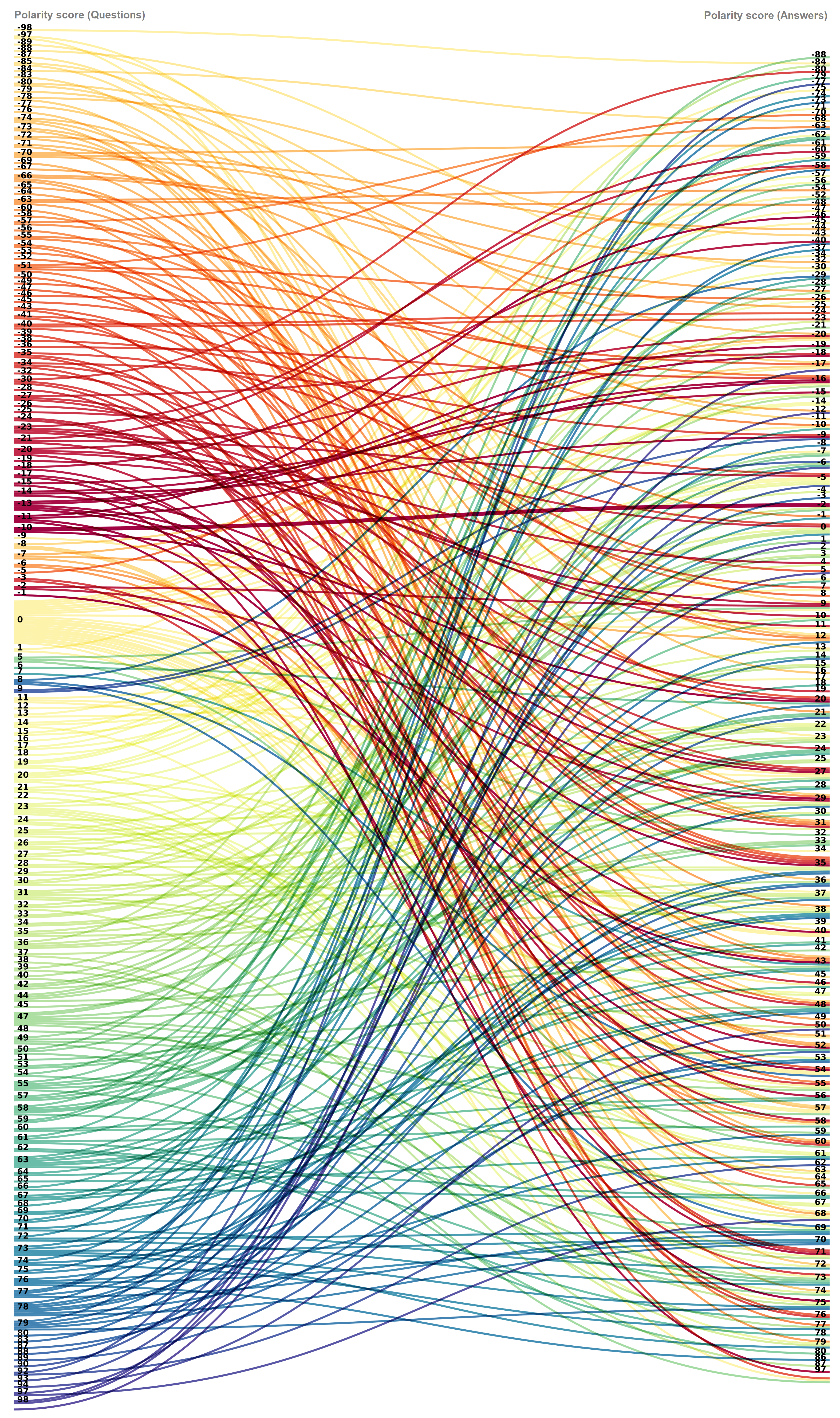
Data flow analysis is also conducted. The objective of this tool is to measure the correlation between the sentiment of question formulation and the corresponding response of public representatives using alluvial diagrams and contour plots. Conducted through the utilization of the R programming language, SPSS software, and RAW Graphs software.
3.4. Analysis Structure and Measured Variables
The findings are categorized into five phases, each dedicated to analysing a specific dimension of interaction. The first phase focuses on defining the profile of surveyed individuals, including variables such as the politician’s name, party affiliation, ideology, and gender. The second phase involves categorizing questions based on topic and scope, distinguishing between economic or social nature and international, national, regional, or local context. In the third and fourth phases, sentiment analysis is applied to both questions and answers, assessing prevailing terms, sentiment values, and their development. Finally, the fifth phase establishes a connection between question sentiment and response using sentiment analysis variables.
4. Results
As previously stated, the analysis has been structured in five phases with the intention of providing a holistic evaluation of the research subject.
4.1. Profile of the Recipients of the Questions
In a global context, 371 questions were analysed and directed towards a diverse group of 156 politicians on this platform. This highlights the broad range of public representatives involved in citizen participation processes. Among them, prominent figures include Pedro Sánchez (Partido Socialista Obrero Español; PSOE), Pablo Casado (Partido Popular; PP), Albert Rivera (Ciudadanos), Pablo Iglesias (Podemos), and Santiago Abascal (Vox), among others.
The presence of 29 political parties among the sampled questions is a noteworthy aspect of the data. These organisations cover the broad political spectrum in Spain, ranging from nationally recognised parties to local groupings. PSOE is the most frequent recipient of the formulated questions, receiving 77 questions or 20.75% of the total, closely followed by Podemos with 70 questions, equating to 18.86% (see Figure 1 for the full graphical representation).
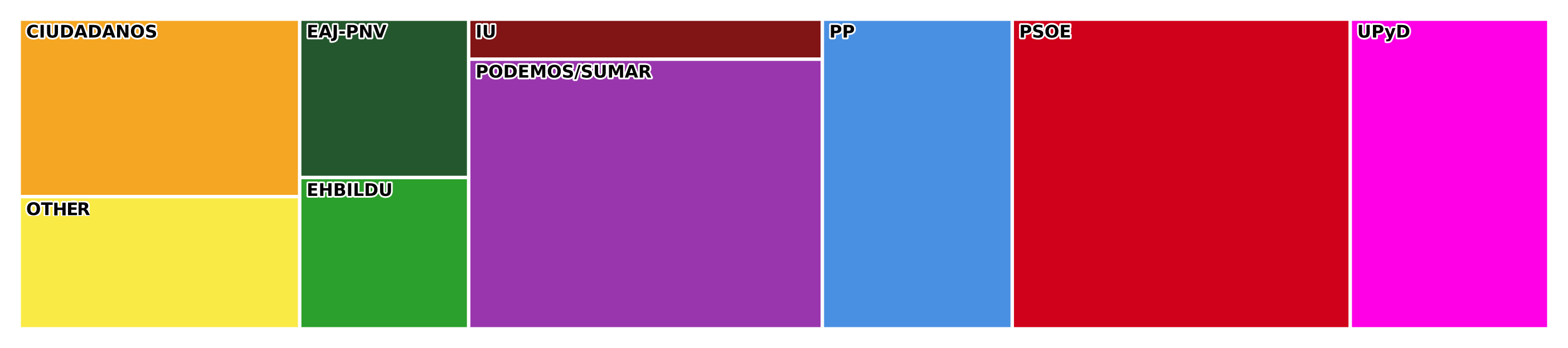
When categorising recipients based solely on ideology, left-wing representatives account for a clear majority of 56.87% (n = 211) of the questions, while centrist party representatives receive 29.91% (n = 111), and right-wing representatives only 13.22% (n = 49).
However, when analysing the gender of the subjects, it is evident that male politicians predominate. Specifically, of the 371 questions posed, 248 (66.84%) were directed towards male politicians, whilst 123 (33.16%) were directed towards female politicians.
Further examination of gender differences among recipients showed that the highest similarity between men and women occurs in questions posed to right-leaning public representatives. In this category, of the 49 questions, 25 were directed towards men (51.02%) and 24 towards women (48.98%). In contrast, the greatest disparity is observed in queries posed to centrist politicians, whereby 83.78% (93 out of 111 questions) are directed towards male politicians. Such a trend undermines gender equality in politics.
4.2. Thematic Classification and Geographical Coverage of Questions
As outlined in the methodology, inquiries are categorised according to the ministerial portfolios of the Spanish Government, alongside three supplementary classifications: “personal matters” for individual questions, “politics and agreements” for inquiries related to agreements or political matters, and “other issues” for any remaining unclassified queries. The categories of most interest among citizens are as follows: the subcategory covering personal questions (16.98%; n = 63), the subcategory comprising questions that do not fall into any other category (11.32%; n = 42), and the subcategory dealing with health (8.89%; n = 33). The last column of Table 1 presents the overall distribution.
Table 1 Distribution of the thematic content of queries based on the recipient’s ideology
| Categories | Left | Centre | Right | Total | Total % |
|---|---|---|---|---|---|
| Economic affairs | 3 | 7 | 1 | 11 | 2.97 |
| Foreign affairs | 11 | 5 | 0 | 16 | 4.31 |
| Consumer affairs | 2 | 0 | 0 | 2 | 0.54 |
| Culture and sport | 2 | 4 | 1 | 7 | 1.88 |
| Social rights | 12 | 2 | 3 | 17 | 4.59 |
| Education | 8 | 6 | 4 | 18 | 4.86 |
| Treasury | 1 | 1 | 1 | 3 | 0.81 |
| Gender equality | 2 | 0 | 1 | 3 | 0.81 |
| Inclusion and migrations | 5 | 3 | 2 | 10 | 2.69 |
| Industry | 0 | 1 | 0 | 1 | 0.27 |
| Home affairs | 1 | 0 | 1 | 2 | 0.54 |
| Justice | 10 | 4 | 1 | 15 | 4.04 |
| Democratic memory | 1 | 0 | 0 | 1 | 0.27 |
| Other issues | 14 | 22 | 6 | 42 | 11.32 |
| Personal matters | 40 | 19 | 4 | 63 | 16.98 |
| Territorial policy | 15 | 7 | 4 | 26 | 7.01 |
| Politics and agreements | 16 | 9 | 2 | 27 | 7.27 |
| Public health | 23 | 4 | 6 | 33 | 8.89 |
| Social security | 19 | 3 | 0 | 22 | 5.93 |
| Work | 11 | 9 | 2 | 22 | 5.93 |
| Ecological Transition | 6 | 4 | 4 | 14 | 3.78 |
| Transport and mobility | 8 | 1 | 6 | 15 | 4.04 |
| University | 1 | 0 | 0 | 1 | 0.27 |
| Total | 211 | 111 | 49 | 371 | 100 |
It is pertinent to examine how these questions align with the receiver’s ideological leaning, recognizing the potential impact of varying question numbers based on politicians’ ideologies (see Table 1’s first four columns). After filtering out personal questions, the categories that display the most pronounced inter-ideological contrasts are “social security” and “social rights”. In these categories, left-leaning representatives receive 86.36% (n = 19) and 70.58% (n = 12) of the directed questions, respectively. In particular, the proportion of questions regarding social security is significantly higher than the average of 66.84% of questions targeted at left-wing politicians.
To statistically evaluate the correlation between the ideology of the recipients and the themes tackled in the questions, the chi-square test of independence is employed between the two categorical variables. The initial four columns of Table 1 act as the contingency table.
The statistical procedures carried out yield the following outcomes: chi-square = 71.439; df = 44; p = 0.005532 < 0.05. As the chi-square value grows, the potency of proof against the null hypothesis, which proposes no correlation between variables, also intensifies. Therefore, the observed frequency distribution in the contingency table varies from the distribution anticipated when assuming the variables are independent. As the p-value is significantly less than 0.05, it is concluded that there is ample and significant statistical evidence to reject the null hypothesis and support the proposition of dependence between the variables.
In addition to the thematic classification of queries, we have categorized them based on whether they pertain to economic or social topics. It is important to point out that some questions (n = 94) cannot be classified into either category. Out of the 277 categorized queries, 59 are related to economic matters. There were no discernible differences in relation to recipient ideology. This can be observed from the percentages in close proximity to the mean. None of the values deviate beyond 5.73% (left: 19.87%, n = 32; centre: 27.02%, n = 20; right: 16.66%, n = 7). Additionally, social issues are the subject of 69.38% of the categorizable inquiries, and a similar trend of uniformity between ideologies is evident (see Figure 2, chart on the left).
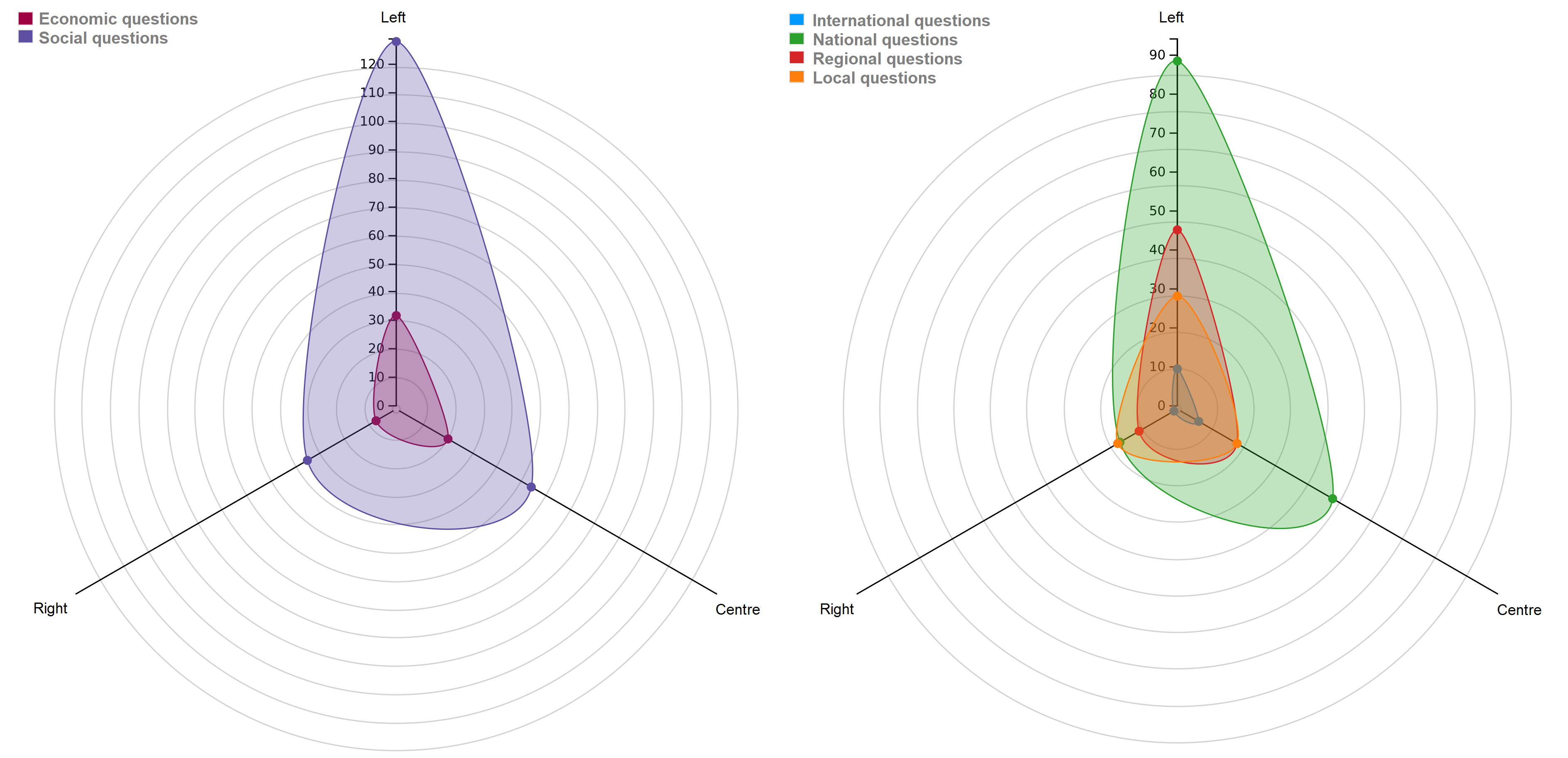
The geographical extent of the inquiries necessitates evaluation. Once queries that lack a precise geographical context are removed, it is apparent that a significant portion of the issues concern national subjects (50%; n = 159). Next in frequency are regional topics (24.21%; n = 77), followed by local matters (20.75%; n = 66), and finally, issues regarding international concerns (5.04%; n = 16). Similar to differences in questions of an economic or social nature, there is a balanced distribution among recipients of different ideologies. However, the only exception to this trend lies in regional questions posed to right-wing politicians, which exceed the expected average by 106.29% based on the overall distribution of questions (see Figure 2, right chart).
4.3. Content and Sentiment of the Questions
Once the structural context has been developed, it is essential to delve into the specific dimension related to the formulation of the questions.
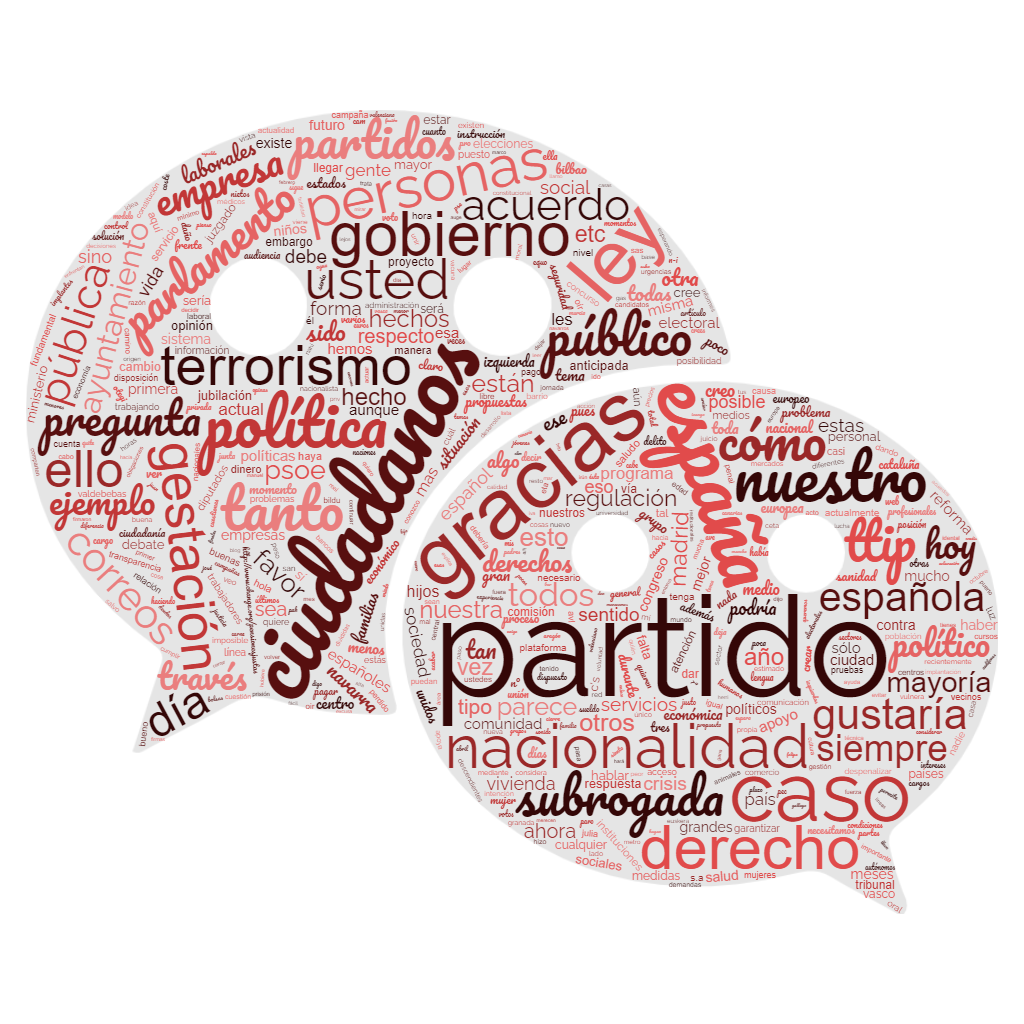
The first step in carrying out this process is to identify the most recurrent words in the citizen participation messages analysed. After refining their content, a descriptive analysis shows that the most frequent words are “partido” (party; 127 occurrences in a total of 371 questions), followed by “ciudadanos” (citizens; 83 occurrences), “gracias” (thanks; 77 occurrences) and “España” (Spain; 73 occurrences). The graphical representation of the frequency of these words is shown in Figure 3.
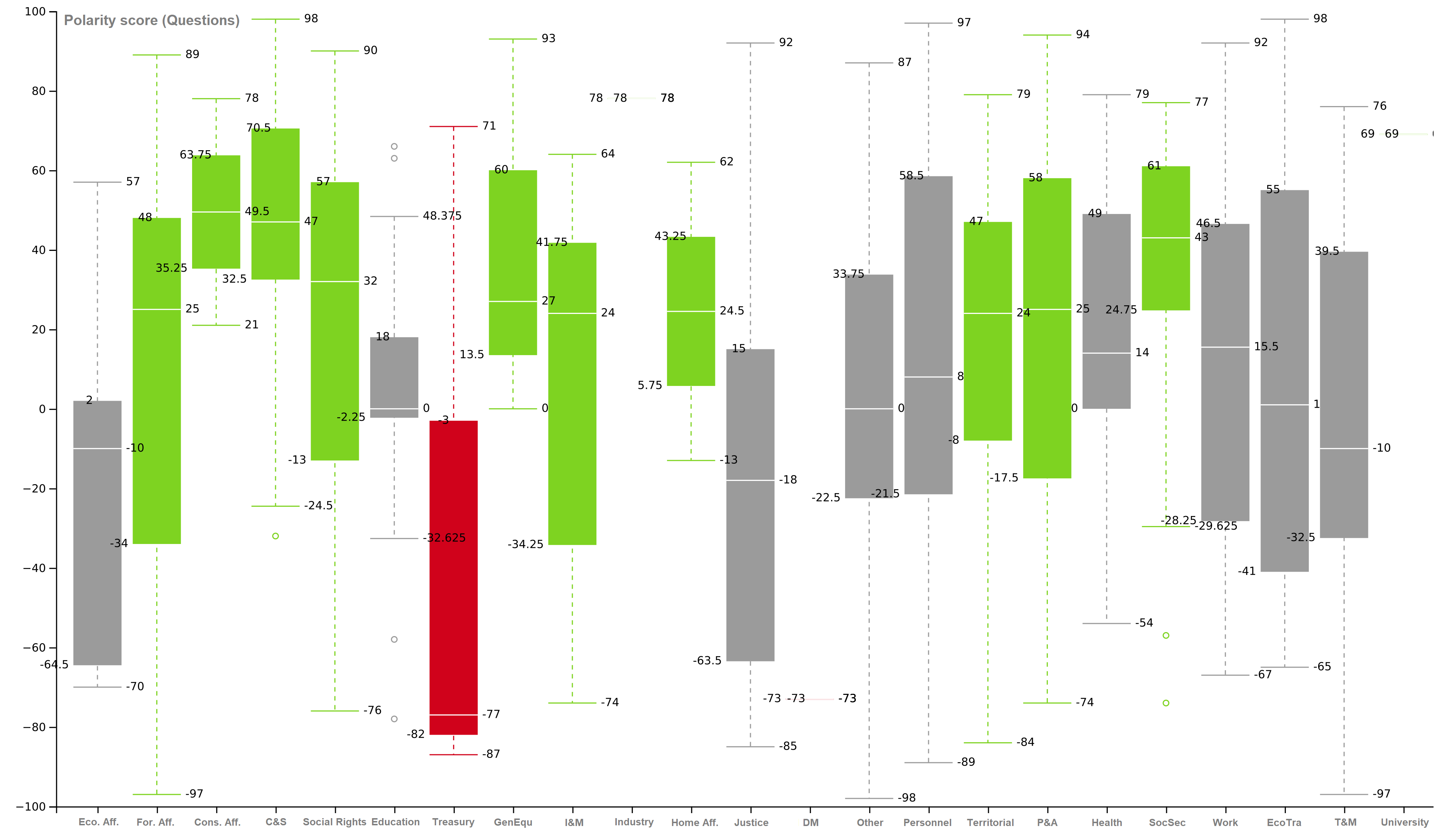
The study of sentiments shows that the questions were predominantly formulated positively. Of the 371 questions, 179 (48.24%) were phrased in a very positive or positive way, while only 96 (25.88%) were phrased in a negative or very negative way. The remaining 96 questions (25.88%) have a neutral sentiment. Considering that the sentiment scale ranges from -100 (very negative) to 100 (very positive), the resulting average polarity of the questions is 13.25.
When the sentiment analysis is categorised according to the topics addressed by the questions, there are differences between the groups. On the one hand, there are two blocks of questions with an average sentiment below -20: “treasury” and “democratic memory”. On the other hand, the questions on “university”, “consumer affairs”, and “culture and sport” show very favourable sentiments in their wording. The detailed breakdown of the individualised analysis can be seen in Figure 4. In addition, it should be noted that the questions are mostly formulated in subjective language (64.69%; n = 240) and are not ironic (95.41%; n = 354). The formulation of objective questions is less frequent (35.31%; n = 131), and the use of irony is almost negligible (4.59%; n = 17).
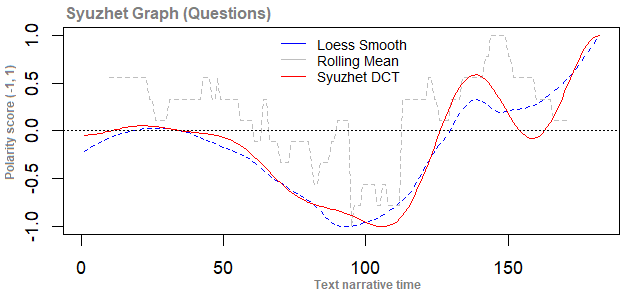
Following on from the analysis of question-wording, the trend of sentiment progression across the entire set of questions posed is measured. Thus, an evolutionary analysis is performed to visualise the average change in the emotional tone of the messages as they unfold. As shown in Figure 5, there is a clear trend in the emotional progression of the messages. They begin with a predominantly neutral tone. Then, as the messages progress and citizens present their arguments, there is a shift towards a more negative approach. By the end, they return to a positive tone, typically aiming to maintain a cordial relationship or to convey optimism at the end of the question.
4.4. Content and Sentiment of Responses
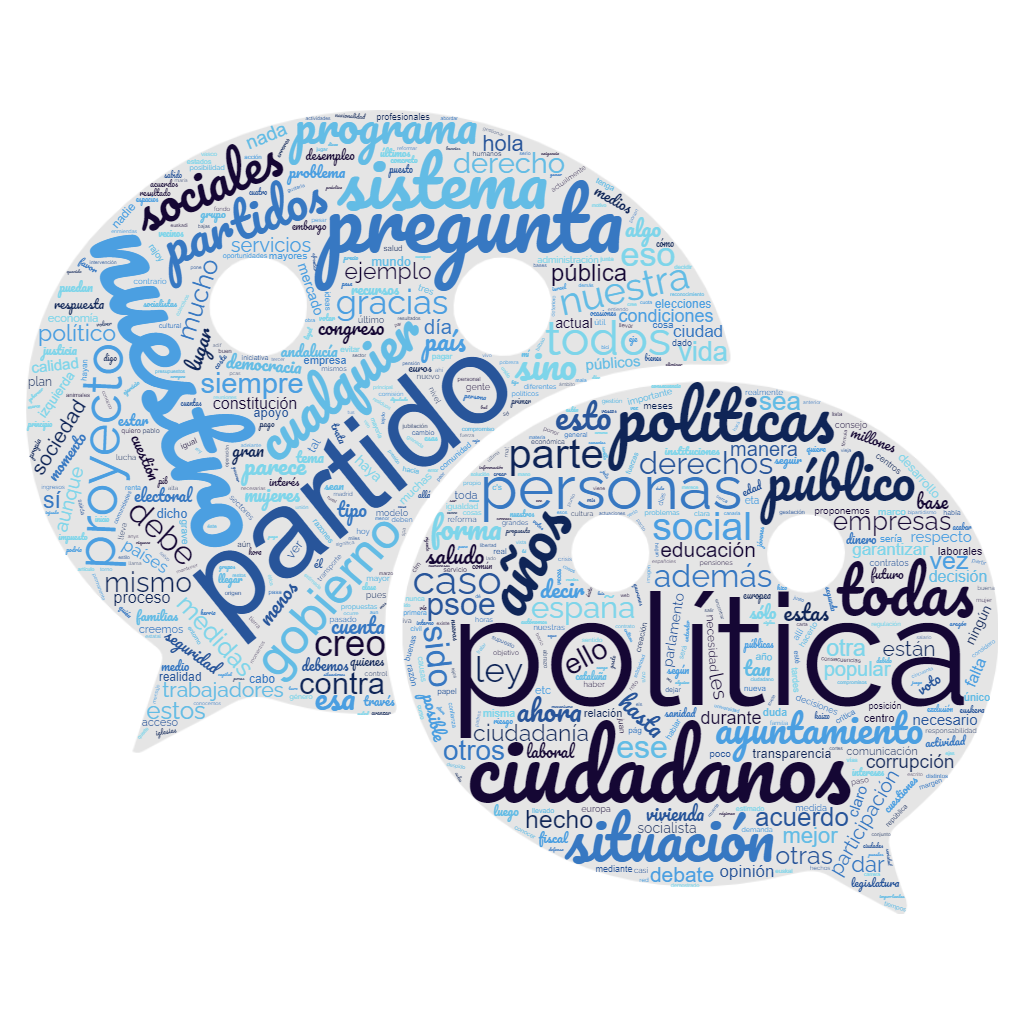
In this case, the most frequent words in the answers are “política” (politics - with 260 occurrences in a total of 371 questions), “partido” (party - with 207 occurrences), “nuestro” (our - with 181 occurrences) and “ciudadanos” (citizens - with 146 occurrences). The recurrence of the use of certain terms is, therefore, much higher than in the case of questions, suggesting a standardisation of the answers given. The graphical representation of the frequency of these words is shown in Figure 6.
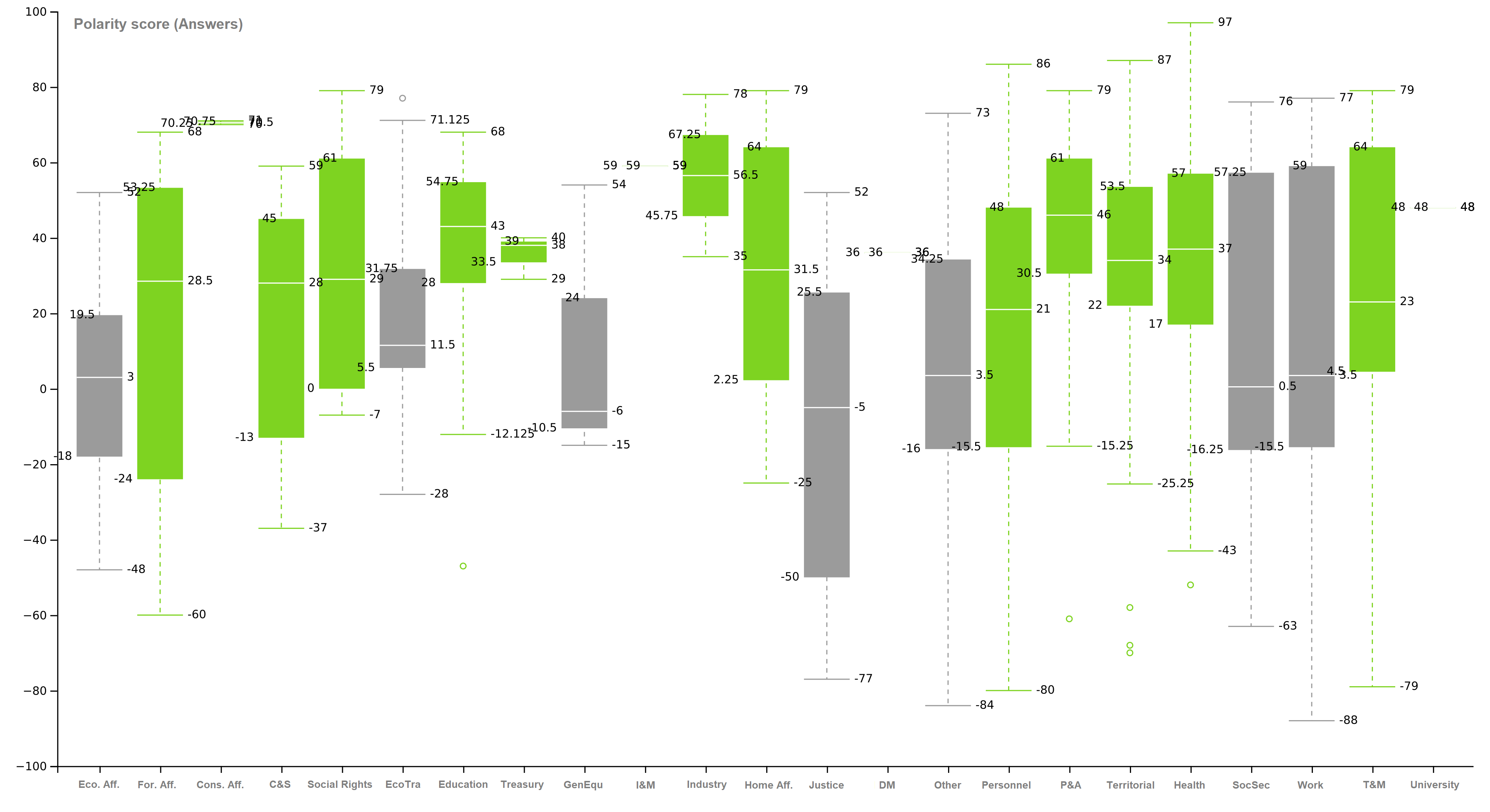
The concentration in the lexicon used in the answers is also reflected in the sentiment with which the texts are formulated. The messages given by politicians are much less polarised than the questions and tend to focus on positive sentiments (55.79%; n = 207) and neutral sentiments (28.03%; n = 104). The presence of responses with very positive or very negative sentiments is much lower. While highly polarised responses account for 6.46% (n = 11+13) of the questions, they account for only 1.61% (n = 3+3) of the answers.
The resulting average polarity score of the sentiment analysis for the responses is 20.29 (on a scale between -100 and 100), which is 7.04 points higher than the average of the questions. This positive component in the wording can be seen in the distribution of sentiments based on the area to which the question belongs. There is no category whose average is negative (below -20 on the scale). The topics with lower scores are “justice” and “gender equality”. On the contrary, the most positive sentiments can be observed in responses to questions related to “education”, “university”, and “home affairs” (see Figure 7).
The distribution of subjectivity or objectivity in the wording of the message is much more pronounced than in the questions. Almost all the answers are written in a subjective tone (90.56%; n = 336). On the other hand, it is also noticeable that the vast majority of messages use non-ironic language (93.53%; n = 347), with the use of irony being very rare. At the same time, it is possible to assess whether the public representative agrees or disagrees with what the citizen has expressed. Most of the time (84.36%; n = 313), the politician disagrees with the reasoning given in the request.
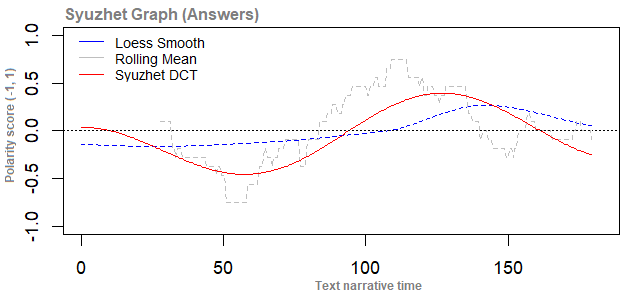
In summary, responses generally exhibit less internal variation, lack polarization and feature a notable concentration of subjective, non-ironic messages. The sentiment analysis of politicians’ messages reveals a stable trend, consistently leaning towards positive values, as depicted in Figure 8.
4.5. Sentiment Relationship Between Questions and Answers
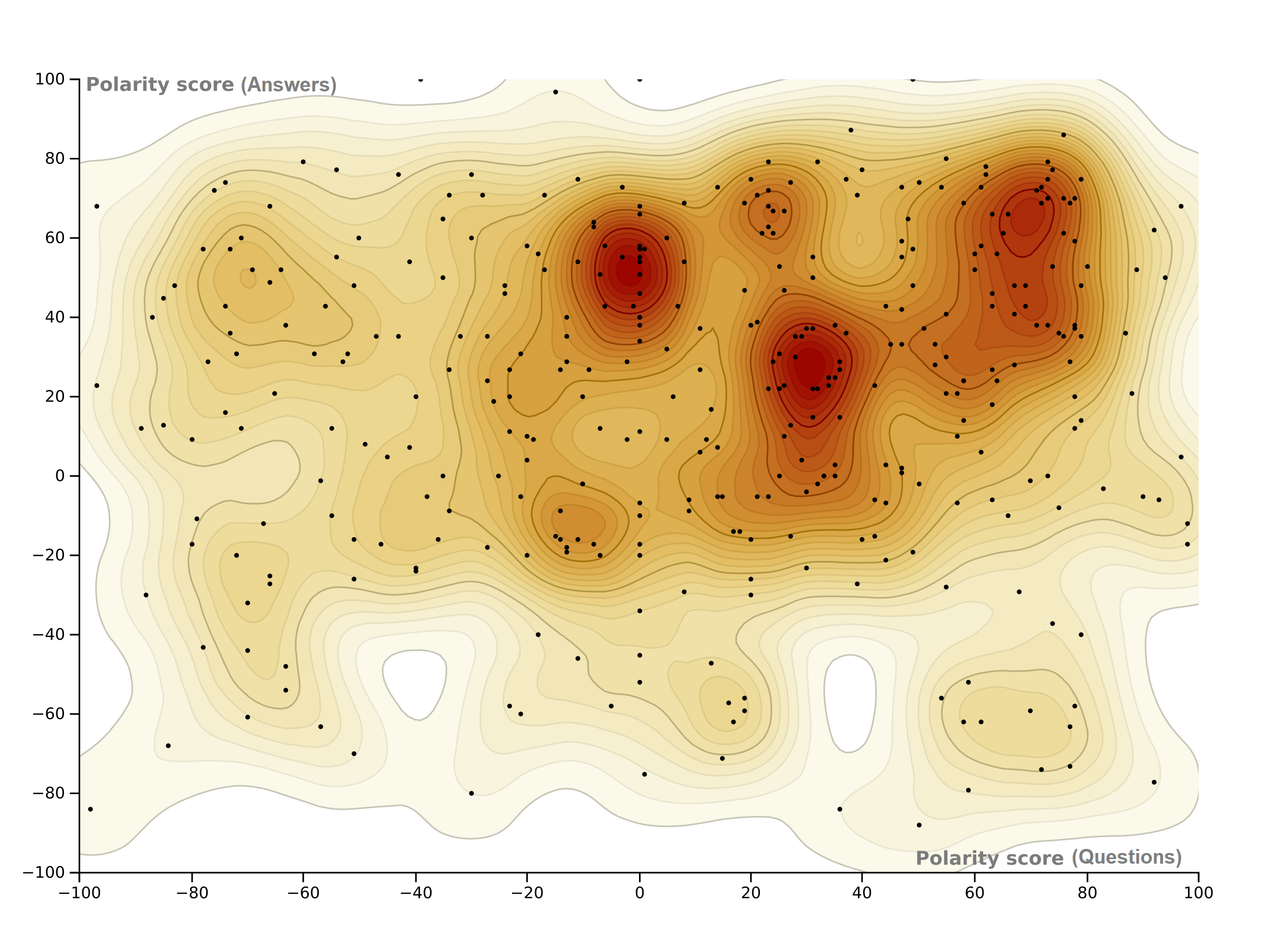
In order to explore potential links between questions and answers, a section is introduced to assess the sentiment of dialogues individually. The initial step involves a general analysis to visually represent the distribution of sentiments in citizen-politician interactions, as depicted in Figure 9. The predominant clusterings are in the upper right quadrant, indicating positive sentiment values for both questions and answers.
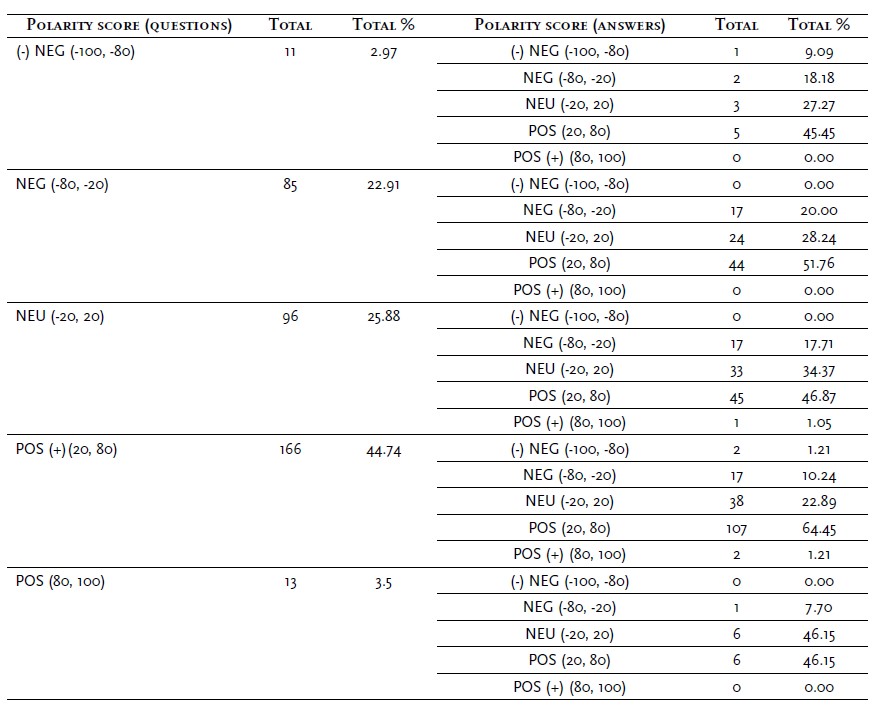
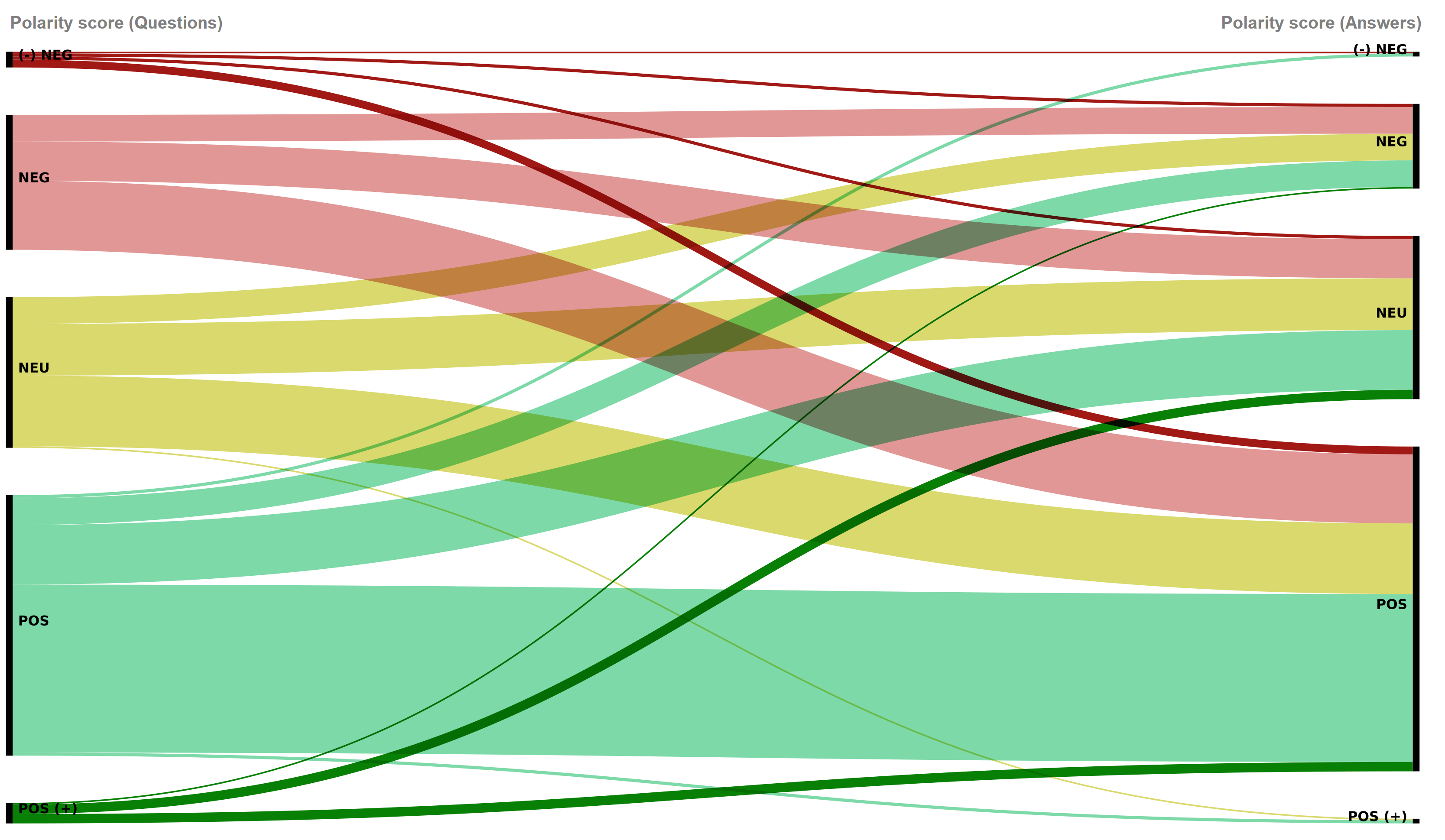
The second step involves a detailed numerical exploration of the relationship between the two messages to identify sentiment analysis patterns in responses based on question wording. The results are summarized in Table 2, indicating no significant connection between response polarity and specific questions. Politicians maintain a consistent positive sentiment pattern in their answers across all question categories (ranging from 45.45% to 64.45%). Although positive answers are more frequent when the question sentiment is positive, the difference is insufficient to establish causality. Figure 10 visually represents this observed phenomenon. Finally, using Table 2 as a highly detailed contingency table, a test of independence between the sentiment of the questions and the answers is performed. In this case, based on the observations made, independence between the variables is expected a priori. The resulting statistics from the test are chisquare = 33.379; df = 25; p = 0.1219 > 0.05. Therefore, there is not enough evidence to reject the null hypothesis. The variables are independent. To visualize the relationships individually, refer to the Appendix and Figure A1.
5. Discussion and Conclusions
Confirming the contributions of previous studies (Alonso-Muñoz & Casero-Ripollés, 2017; Santini & Carvalho, 2019), citizen participation in online platforms has emerged as a crucial phenomenon for the interaction between politicians and the public. This study, which focuses on the dynamics of questions and answers between citizens and public administrators on a specific platform for promoting debate and public discussion, has provided a comprehensive view of the studied phenomenon. It has also identified some patterns and trends that can help to understand better the communicative dynamics between the actors involved in the political process in such virtual spaces, an area that has not been sufficiently explored.
First, it has been observed that this platform for citizen participation reflects the diversity and plurality of the Spanish political landscape, both at the national and regional levels. This is in line with one of the purposes of these participatory portals (Leetoy et al., 2019; Sánchez-Villar, 2019). Questions were posed to a range of 156 different politicians from 29 political parties across the ideological spectrum, highlighting a broad representation. The parties with the highest presence of questions were the PSOE and Podemos, closely followed by the Unión, Progreso y Democracia, Partido Popular and Ciudadanos. A significant number of questions were also addressed to representatives of regional parties in the Basque Country, such as Euzko Alderdi Jeltzalea-Partido Nacionalista Vasco and Euskal Herria Bildu.
On the other hand, there is a gender gap among the recipients of the questions, with male politicians dominating the majority of the questions. This gender gap is particularly noticeable among the centrist parties, where only 16.22% of the recipients are women. This may indicate a lack of visibility or recognition of women in the political sphere, as well as a possible gender bias on the part of citizens.
There is a noticeable left-leaning bias in the questions asked, reflecting a majority interest in this political sector or a greater demand for accountability from its public representatives. There is also a statistically significant relationship between the ideology of the recipients and the topics of the questions. This suggests that citizens choose politicians on the basis of issues that interest or concern them. Topics that show a greater proportional difference between questions addressed to left and right-wing politicians include social security and social rights, possibly indicating a higher sensitivity or demand by the public for left-wing representatives in these areas. The overall thematic classification of questions shows considerable interest in personal issues, followed by uncategorised questions and questions related to health.
In terms of content, the questions can be divided into two broad categories: economic and social. The majority of questions fall into the social category, indicating a greater concern or interest on the part of citizens in issues relating to coexistence, justice, equality or culture. No statistically significant relationship was found between the ideology of the recipient and the type of question (economic or social), suggesting that internet users choose politicians based on factors other than their economic or social profile, such as specific issues, personality or popularity.
The geographical spread of questions is also relevant for the analysis of interactions. The geographical distribution of questions suggests a general balance, with the majority of questions relating to national issues indicating a higher level of attention or demand from the population for public representatives with competencies or responsibilities at the national level. However, there is a notable presence of regional and local questions, highlighting the diversity and plurality of the Spanish political landscape. There is a notable exception in the questions addressed to politicians of different ideologies, with rightwing representatives receiving the highest number of regional questions, which may be related to the influence of nationalist or regionalist parties in this political spectrum.
In terms of the wording of the questions, they are characterised by the frequent use of words reflecting citizens’ interest or concern about the political and social context of the country. The majority of questions express positive or neutral feelings, indicating a respectful, cordial or hopeful attitude of citizens towards public representatives. However, some topics generate negative feelings, such as “treasury” or “democratic memory”, revealing dissatisfaction with the management of these issues. The questions have a dynamic emotional structure, starting with a neutral tone, changing to a negative tone when presenting arguments, and ending with a positive tone when closing the question. This may indicate users’ intention to establish a formal connection, express their opinions or demands, and maintain a cordial relationship with politicians. Questions are predominantly written in a subjective and non-ironic tone, suggesting that citizens prefer to express their opinions or arguments directly and personally. This emotional pattern in the structuring of questions provides valuable information about the communicative dynamics in these citizen participation platforms.
As for the answers given by the politicians, they are characterised by the frequent use of words that, in addition to reflecting an interest in the socio-political context of Spain - similar to that of the citizens - seek to promote their own image or that of their organisation. The answers mainly express positive or neutral feelings and show a more stable and less dynamic emotional structure than the questions. This may indicate an intention to maintain a moderate, balanced and consistent tone throughout the message. There is a tendency to begin and end with a positive tone and to remain in the middle as the response develops. The use of irony is very rare and may be related to politicians’ attempts to avoid misunderstandings or conflicts with citizens. The responses show a high level of disagreement with the questions, reflecting a divergence of opinions or interests between citizens and public representatives. This may create a sense of frustration or disappointment among citizens participating in the platform, leading to disaffection and cynicism, as noted by Dahlgren (2005) and Masip et al. (2019).
Finally, it was confirmed that there is no statistically significant relationship between the sentiment of the questions and that of the answers. This suggests that politicians do not adapt their emotional tone to that of citizens but maintain a consistent and independent emotional response pattern. Overall, there is a predominance of a positive and, above all, neutral tone in both questions and answers. The communicative style of the citizens tends towards a more general distribution of tones, which is reflected in the emotional pattern in the course of the questions. This can create a sense of disconnection or lack of empathy between citizens and public representatives, as politicians do not respond in line with the sentiments expressed by citizens in their demands.
The significant political engagement generated on this platform demonstrates that such digital spaces facilitate citizen participation, as suggested by Eisenberg (2006) and Orozco and Ayala (2014). Considering that cyberpolitics (Baggiolini & Castro-Rojas, 2016) has forced the structuring of messages according to the digital reality in which we live, it has also led to changes in the expression and evaluation of citizens’ emotions in political matters (Cazorla et al., 2022). Therefore, studies of a communicative nature that focus on sentiment analysis - essential for measuring citizens’ emotions, attitudes and opinions in the political arena - are crucial for understanding the level of participatory politics in each country today.
It is hoped that this research will contribute to advancing knowledge about citizen participation and political communication in the digital realm, as well as improving the quality and effectiveness of these political interaction spaces that facilitate direct dialogue between citizens and public representatives.