


SciELO - Scientific Electronic Library Online

 
vol.32 número1Qualidade de Vida relacionada com a Dieta na Doença Inflamatória Intestinal: tradução e validação do FR-QoL-29 para Português (FR-QoL-29-Portuguese) índice de autoresíndice de assuntosPesquisa de artigos
Home Pagelista alfabética de periódicos  

Serviços Personalizados

Journal

Artigo

Indicadores

Links relacionados

  • Não possue artigos similaresSimilares em SciELO

Compartilhar


GE-Portuguese Journal of Gastroenterology

versão impressa ISSN 2341-4545

GE Port J Gastroenterol vol.32 no.1 Lisboa fev. 2025  Epub 07-Mar-2025

https://doi.org/10.1159/000537685 

Research Article

Prevalence of Endoscopic and Histological Lesions at Upper Endoscopy: A Cross-Sectional, Multicentre Study in Clinical Practice

Prevalência de lesões endoscópicas e histológicas na endoscopia digestiva alta: um estudo transversal e multicêntrico na prática clínica

Vincenzo De Francesco1 

Angelo Zullo2 

Arnaldo Amato3 

Irene Bergna3 

Emanuele Bendia4 

Giorgia Giorgini4 

Elisabetta Buscarini5 

Guido Manfredi5 

Sergio Cadoni6 

Renato Cannizzaro7 

Stefano Realdon7 

Mario Ciuffi8 

Orazio Ignomirelli8 

Paola Da Massa Carrara9 

Giovanni Finucci9 

Antonietta Di Somma10 

Chiara Frandina11 

Mariafrancesca Loria11 

Francesca Galeazzi12 

Francesco Ferrara12 

Carlo Gemme13 

Noemi Sara Bertetti13 

Federica Gentili14 

Antonio Lotito14 

Bastianello Germanà15 

Nunzia Russo15 

Giuseppe Grande16 

Rita Conigliaro16 

Federico Cravero17 

Giovanna Venezia17 

Riccardo Marmo18 

Piera Senneca18 

Angelo Milano19 

Konstantinos Efthymakis19 

Fabio Monica10  20 

Paolo Montalto21 

Mario Lombardi21 

Olivia Morelli22 

Danilo Castellani22 

Daniela Nigro23 

Roberto Festa23 

Sergio Peralta24 

Maria Grasso24 

Antonino Carlo Privitera25 

Maria Emanuela Di Stefano25 

Giuseppe Scaccianoce26 

Mariangela Loiacono26 

Sergio Segato27 

Marco Balzarini27 

Paolo Usai Satta28 

Mariantonia Lai28 

Raffaele Manta9 

1Gastroenterology and Endoscopy Unit, Riuniti Hospitals, Foggia, Italy;

2Gastroenterology and Endoscopy Unit, Nuovo Regina Margherita Hospital, Rome, Italy;

3Gastroenterology Unit, A. Manzoni Hospital, Lecco, Italy;

4Gastroenterology Unit, Riuniti Hospital, Ancona, Italy;

5Gastroenterology and Endoscopy Unit, Maggiore Hospital, Crema, Italy;

6Gastroenterology Unit, CTO Hospital, Iglesias, Italy;

7Experimental Oncological Gastroenterology Unit, CRO Hospital, Aviano, Italy;

8Endoscopy Unit, IRCCS CROB Hospital, Rionero in Vulture, Italy;

9Gastroenterology Unit, ASL Toscana Nord-Ovest, San Luca Hospital, Lucca, Italy;

10Gastroenterology Unit, San Giovanni di Dio Hospital, Gorizia, Italy;

11Gastroenterology Unit, S. Giovanni di Dio Hospital, Crotone, Italy;

12Gastroenterology Unit, University Hospital, Padova, Italy;

13Gastroenterology Unit, SS. Antonio, Biagio e Cesare Arrigo Hospital, Alessandria, Italy;

14Gastroenterology Unit, Santa Maria Hospital, Terni, Italy;

15Gastroenterology and Endoscopy Unit, San Martino Hospital, Belluno, Italy;

16Gastroenterology Unit, Civile Baggiovara Hospital, Modena, Italy;

17Gastroenterology Unit, Santa Croce e Carle Hospital, Cuneo, Italy;

18Gastroenterology Unit, L. Curto Hospital, Polla, Italy;

19Gastroenterology and Endoscopy Unit, SS. Annunziata Hospital, Chieti, Italy;

20Gastroenterology and Endoscopy Unit, Cattinara Hospital, Trieste, Italy;

21Gastroenterology Unit, ASL Toscana Centro, Pistoia, Italy;

22Gastroenterology Unit, Santa Maria della Misericordia Hospital, Perugia, Italy;

23Gastroenterology Unit, San Carlo Hospital, Melfi, Italy;

24Gastroenterology Unit, AOU Policlinico Hospital, Palermo, Italy;

25Gastroenterology Unit, Cannizzaro Hospital, Catania, Italy;

26Gastroenterology Unit, Giovanni Paolo II IRCCS, Bari, Italy;

27Gastroenterology Unit, ASST dei Sette Laghi Hospital, Varese, Italy;

28Gastroenterology Unit, Brotzu ARNAS, Cagliari, Italy


Abstract

Background/Aim:

Prevalence of gastroduodenal endoscopic and histological lesions may modify over time due to different factors. We assessed both macroscopic and histological lesions currently detected at upper endoscopy performed in routine practice.

Patients and Methods:

Clinical, endoscopic, and histological data of consecutive adult patients referred for upper endoscopy in the 28 participating centres were analysed. Only patients who underwent the first endoscopic examination were considered. Prevalence of erosive/ulcerative lesions, cancers and extensive precancerous lesions in the stomach, and Helicobacter pylori infection was computed.

Results:

A total of 1,431 patients underwent endoscopy for gastro-oesophageal reflux symptoms (31.5%), dyspepsia (29.4%), or alarm symptoms (18.5%). Erosive oesophagitis or Barrett’s oesophagus was detected in 210 (14.7%) cases, peptic ulcer in 49 (3.4%),and a neoplastic lesion in 17(1.2%). H.pylori was present in 201 (22.6%) cases, and extensive precancerous lesions on gastric mucosa in 46 (5.6%) patients. Gastric lesions were more prevalent in patients aged ≥50 years (26% vs. 18%; p = 0.001), and peptic ulcers were more frequently detected in patients with H. pylori (9.4% vs. 2.3%; p = 0.001) and in males (5.8% vs. 1.6%; p = 0.001), while neoplastic lesions in patients with alarm symptoms (3.8% vs. 0.6%; p = 0.001).

Conclusions:

The overall endoscopic lesions were more prevalent in patients aged ≥50 years, peptic ulcer and erosions were more frequent in H. pylori-infected patients, and extensive gastric precancerous lesions were present in less than 6% of cases.

Keywords: Upper endoscopy; Peptic ulcer; Cancer; Helicobacter pylori; Precancerous lesions

Resumo

Introdução/Objetivo:

A prevalência de lesões endoscópicas e histológicas gastroduodenais pode modificar-se ao longo do tempo devido a alterações de diferentes fatores. Este estudo teve como objetivo avaliar lesões macroscópicas e histológicas e detectadas na esofagogastroduodenoscopia realizada na prática rotineira.

Pacientes e Métodos:

Foram analisados dados clínicos, endoscópicos e histológicos de pacientes adultos consecutivos encaminhados para esofagogastroduodenoscopia nos 28 centros participantes. Foram considerados apenas os pacientes que realizaram o primeiro endoscopia. Foi computada a prevalência de lesões erosivas/ulcerativas, cânceres e lesões pré-cancerosas difusas no estômago e infecção por H. pylori.

Resultados:

Um total de 1,431 pacientes foram submetidos à endoscopia foram sintomas de refluxo gastroesofágico (31.5%), dispepsia (29.4%) e sintomas de alarme (18.5%). Esofagite erosiva ou esôfago de Barrett foram detectadas em 210 (14.7%) casos, úlcera péptica em 49 (3.4%), lesão neoplásica em 17 (1.2%). A infecção por H. pylori esteve presente em 201 (22.6%) casos, lesões gastricas pré-cancerosas difusas em 46 (5.6%). As lesões endoscópicas foram mais prevalentes em pacientes com idade ≥50 anos (26% vs. 18%; p = 0.001), com úlceras pépticas detectadas com mais frequência em pacientes com H. pylori (9.4% vs. 2.3%; p = 0.001) e no sexo masculino (5.8% vs. 1.6%; p = 0.001), enquanto lesões neoplásicas naqueles que apresentam sintomas de alarme (3.8% vs. 0.6%; p = 0.001).

Conclusões:

As lesões endoscópicas globais foram mais prevalentes em pacientes com idade >50 anos, úlcera péptica e erosões foram mais frequentes em pacientes infectados por H. pylori. Lesoes gástricas pre-cancerosas estiveram presentes em menos de 6% dos casos.

Palavras Chave: Esofagogastroduodenoscopia; Úlcera peptica; Câncer; H. pylori; Lesões pré-cancerosas

Introduction

Prevalence of different gastroduodenal lesions detected at upper endoscopy is changing over time due to modifications of the main involved aggressive or protective factors. Indeed, prevalence of Helicobacter pylori infection - namely, the main aetiologic factor for peptic ulcer (gastric and duodenal) and gastric neoplastic lesions (low-grade B-cell MALT lymphoma, diffuse large B-cell lymphoma, adenocarcinoma) - is decreasing in developed countries [1-3]. Conversely, therapy with non-steroidal anti-inflammatory drugs (NSAIDs) - either as antiaggregant therapy or treatment of chronic rheumatic diseases and chronic pain - is largely used in routine practice, even as out-the-counter therapy [4-7], and its role in damaging gastric mucosa is well documented [8].

Similarly, prevalence of obesity is relentlessly increasing worldwide, and its association with gastro-oesophageal reflux disease (GORD) is recognized [9]. On the other hand, use of proton-pump inhibitors (PPI), the most effective drugs to treat lesions of acid-related diseases, has hugely increased in the last decades [10]. Since gastric cancer remains one of the most prevalent cancer-related causes of mortality and population-based screening programmes are not implemented in Western countries, to search for precancerous lesions in the stomach during endoscopy performed in routine practice is advised to identify patients deserving follow-up [11]. Current guidelines suggest to standard biopsies during appropriate upper endoscopies to assess the presence of extensive atrophy/metaplasia - i.e., involving both antral and gastric body mucosa - on gastric mucosa, because these precancerous lesions distinctly increase gastric cancer risk [11, 12]. Based on these observations, it is clinically worthy updating the diagnostic yield of upper endoscopies performed in routine practice. Indeed, previous large studies on prevalence of endoscopic and histological lesions in routine upper endoscopy performed in our country were published more than 10 years ago [13, 14].

The relevance of this topic is further strengthened when considering that more than 2.5 million of upper endoscopies was performed in Italy yearly, 1.2 million in UK, and 6.9 million in USA [15-17], and that the rate of inappropriate procedures was higher than 20% [18]. Therefore, we performed a multicentre study to assess both macroscopic and histological lesions currently de-tected at upper endoscopy performed in routine practice.

Materials and Methods

Study Design and Patients

In this cross-sectional study, clinical, endoscopic, and histological data of consecutive adult patients referred for upper endoscopy in the participating centres between October 1 and October 31, 2022, were anonymously reviewed and gathered in a specific Excel database. To better describe routine clinical practice, only data of patients referred by their general practitioners were collected, while those of in-patients were excluded. Moreover, we have taken into account solely patients who underwent the first endoscopic examination for any indication, while endoscopic surveillance procedures not considered. Clinical data collection was focused on the main indication for endoscopy, and ongoing therapies with antithrombotic drugs (antiaggregant or anticoagulant) and PPI. PPI therapy was defined as ongoing when drugs were taken until the previous day before or suspended less than 7 days before endoscopy. Alarm symptoms included anaemia, melena, persistent vomiting, weight loss, and dysphagia, as suggested in guidelines [19, 20]. Data on oesophageal, gastric, and duodenal lesions detected at endoscopy were computed, and a threshold age of 50 years was chosen for comparison, as suggested by Italian guidelines [12, 20]. Histological reports were reviewed to evaluate the prevalence of both H. pylori infection and that of extensive precancerous lesions (atrophic or metaplastic pangastritis) in the stomach.

Statistical Analysis

Frequencies, means, or medians were computed, with their 95%confidence intervals (CIs) and the odds ratios (ORs) calculated for the main observations. Comparison among subgroups was performed by using the χ2 test with Yate’s correction. A p value <0.05 was considered statistically significant.

Results

Descriptive Analysis

A total of 1,431 patients (M/F: 584/847; mean age: 55.9 ± 17.2) underwent first endoscopic examination in the 28 participating centres, including 24 community hospitals and 4 academic hospitals. The main indication for endoscopy was GORD (N = 452; 31.5%), dyspepsia (N = 422; 29.4%), alarm symptoms (N = 265; 18.5%), searching for gastro-oesophageal varices (N = 28; 1.9%), suspect radiological finding (N = 14; 0.9%), and evaluation before bariatric surgery (N = 9; 0.6%), while the information was lacking for the remaining 292 (20.4%) cases. There were 276 (29.7%) out of 928 patients in ongoing PPI therapy, and 173 (16.1%) out of 1,070 patients in antithrombotic, with either antiaggregant (N = 135) or anticoagulant (N = 38) therapy, when considering only cases with available information (Table 1).
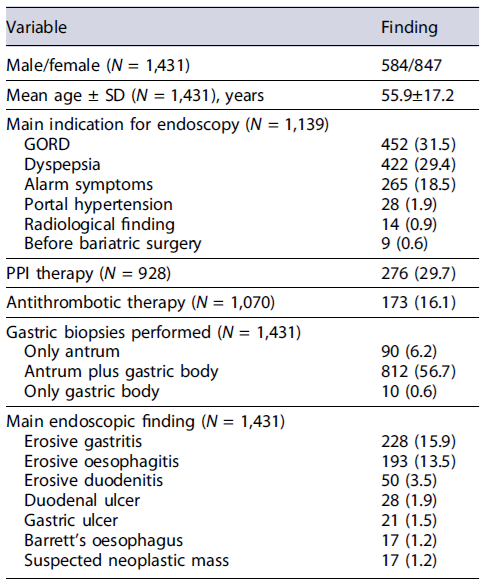
Table 1. Demographic and clinical characteristics of patients 

Endoscopic Findings

At endoscopic examination, at least one lesion in the oesophagus, stomach, and duodenum was detected in 222 (15.5%, 95% CI: 13.6-17.3), 339 (23.6%, 95% CI: 21.4-25.8), and 105 (7.3%, 95% CI: 5.9-8.6) patients, respectively. In detail, erosive oesophagitis or Barrett’s oesophagus was diagnosed in 193 (13.5%) and 17 (1.2%) cases, gastric erosions in 228 (15.9%), gastric ulcer in 21 (1.5%), duodenal erosions in 50 (3.5%), duodenal ulcer in 28 (1.9%), and coeliac disease in 26 (3.8%) cases, while a neoplastic lesion was overall suspected in 17 (1.2%) cases (Table 1). Therefore, the overall peptic ulcer prevalence was 3.4% (95% CI = 2.5-4.4). The endoscopic lesions according to the main indication for upper endoscopy are listed in Table 2.
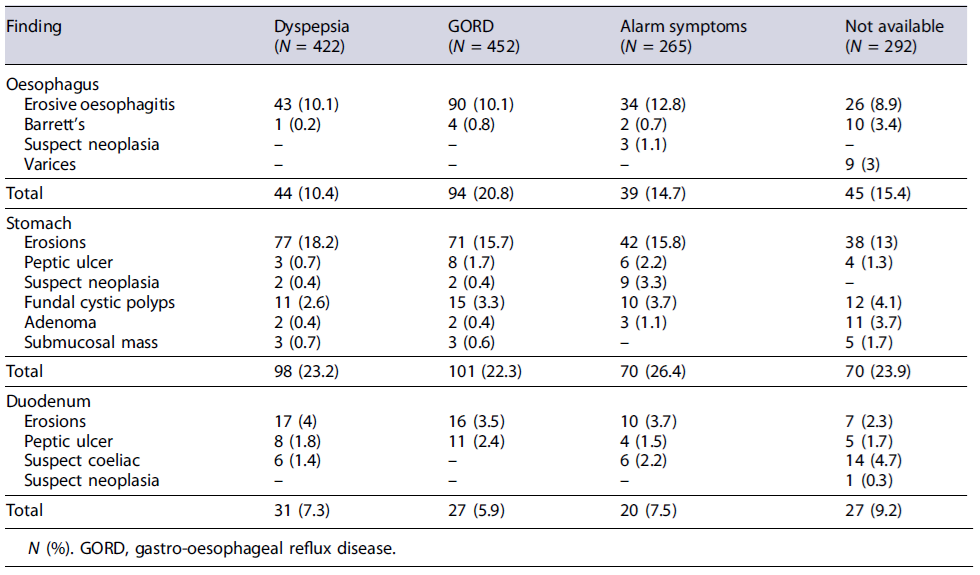
Table 2. Distribution of lesions detected at endoscopy according to the main indication 

The distribution of different endoscopic findings according to patients’ age, gender, H. pylori infection, PPI therapy, and alarm symptoms is provided in Table 3. As shown, the overall endoscopic lesions in the stomach were more prevalent in patients aged ≥50 years (26% vs. 18%; p = 0.001; OR: 1.61; 95% CI: 1.23-2.12). Gastric ulcers (3.4% vs. 0.7%; p = 0.009), duodenal ulcers (5.9% vs. 1.6%; p = 0.002), and duodenal erosions (6.9%vs. 3.2%; p = 0.02) were more frequently detected in patients with H. pylori infection. Moreover, the prevalence of overall oesophageal (21% vs. 11.6%; p = 0.001; OR: 2.01; 95% CI: 1.51-2.69) and duodenal (10% vs. 5.4%; p = 0.001; OR: 1.95; 95% CI: 1.31-2.92) lesions was twice in males than in females, while fundal cystic polyps were predominant in females (5% vs. 0.8%; p = 0.001). Finally, the prevalence of overall neoplastic lesions was higher in those presenting with alarm symptoms (3.8% vs. 0.6%; p = 0.001; OR: 6.49; 95% CI: 2.4-17.2).
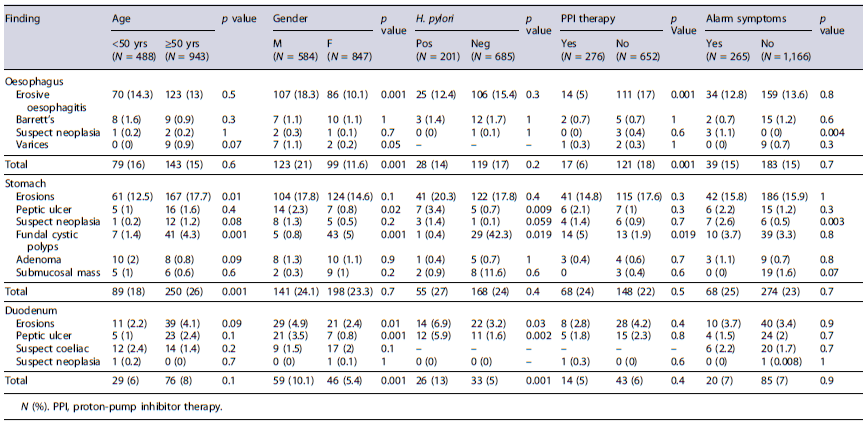
Table 3. Distribution of lesions detected at endoscopy in different settings 

Histological Findings

At histological assessment, H. pylori infection was overall detected in 201 (22.6%, 95% CI: 19.9-25.4) out of 886 in whom antral biopsies (with or without other sites) were taken, and in 185 (22.7%, 95% CI: 19.9-25.6) out of 812 patients for which standard (2 antral and 2 gastric bodies) biopsy sampling of the stomach was available. Prevalence of infection did not differ between patients aged <50 and ≥50 years (71/306, 23.2% vs. 130/580, 22.4%; p =0.8), nor between those taking PPI therapy or not (34/150, 22.6%vs. 99/388, 25.5%; p = 0.5). Taking into account data of only patients in whom a standard gastric biopsy sampling was available, the presence of extensive atrophy or metaplasia on gastric mucosa was overall detected in 46 (5.6%, 95% CI: 4-7.2) patients, including extensive atrophy in 19 (2.3%, 95% CI: 1.3-3.3) cases and extensive metaplasia in 27 (3.3%, 95% CI: 2-4.5) patients (Table 4). Prevalence of these extensive precancerous lesions was significantly higher (OR: 8.02; 95% CI: 2.46-26.11; p < 0.001) in patients aged ≥50 years (43/534, 8%) than in those <50 years (3/278, 1%), while it did not differ between patients with H. pylori infection and those without it (10/185, 5.4% vs. 35/616, 5.6%; p = 0.9). All the 3 (0.2%) suspected neoplastic lesions in the oesophagus were eventually diagnosed as adenocarcinoma, the 13 (0.9%) gastric masses were either carcinomas (N = 12) or MALT lymphoma (N = 1), and the single suspected duodenal lesion was an ampullary adenoma.
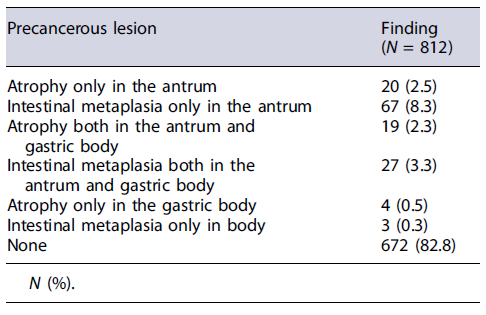
Table 4. Distribution of atrophy and/or metaplasia on gastric mucosa in patients with standard (2 antral and 2 gastric body) biopsy sampling 

Discussion

This large, multicentre study updated data on prevalence of both endoscopic and main histological lesions detected at first upper endoscopy performed in routine practice. We observed that GORD symptoms were the most frequent indication for upper endoscopy, and that erosive oesophagitis was among the most frequent (13.5%) detected esions. Likewise, this mirrors the relentless increasing of GORD prevalence in the general population, at least in part, linked to the escalation of obesity incidence [21]. However, the prevalence of Barrett’s oesophagus (1.2%) we computed would appear not increased when compared to 2.2% and 1.6% reported on 2003 and 2012, respectively [14, 22]. We observed that prevalence of erosive oesophagitis was 3-fold lower in patients in ongoing PPI therapy and near halved in females, while it did not differ between young and older patients or those with or without H. pylori infection. Therefore, it may be speculated that an ongoing PPI therapy would reduce diagnosis of erosive oesophagitis leading undiagnosed several patients with a chronic or recurrent disease deserving an appropriate therapy and follow-up [10]. Indeed, current guidelines advise to interrupt PPI therapy at least 2 weeks before diagnostic upper endoscopy [19, 23], a procedure not followed in as many as 20% in our study, even if this value seems to be lower than 36.3-50.7%previously reported in other series [14, 24].

Regarding neoplastic lesions, our data found that the overall prevalence was distinctly higher in patients presenting with alarm symptoms than in those without, confirming that upper endoscopy should be promptly scheduled in patients presenting with these symptoms [19, 20]. In detail, we found that the frequency of oesophageal cancer remains 4-fold lower than that of neoplastic lesions in the stomach.

Another finding of our study was that the overall prevalence (3.4%) of peptic ulcer remained substantially stable when compared to 2.7-5.5% reported in other Italian series through 2010 and 2021 [14, 25]. This occurs even if the 22.6% prevalence of H. pylori observed in this study would appear distinctly lower than 34% previously reported in 2012 [14], suggesting a trend towards a relentless reduction of this infection in endoscopic series. Therefore, the expected decrease of peptic ulcer incidence due to the lower prevalence of H. pylori is probably offset by the more diffuse use of NSAIDs, even as out-the-counter use [4-7]. Indeed, H. pylori infection and NSAID use remain the main pathogenetic factors for peptic ulcer, idiopathic ulcer prevalence being negligible in Italy [13].

Standard sampling on gastric mucosa is advised during routine endoscopy to search for presence and extension of precancerous lesions in the stomach - namely, extensive atrophic or metaplastic gastritis [12, 26]. Our data found a 5.6% prevalence of these extensive precancerous lesions on gastric mucosa, a value consistent with data of previous Italian studies showing a prevalence ranging from 2.3% to 7.8% [27-30]. Therefore, by performing standard sampling of gastric mucosa during endoscopy, it is possible to identify the small subgroup of patients with extensive precancerous lesions in the stomach at increased risk of developing gastric cancer deserving a scheduled follow-up [11]. Regrettably, our data showed that standard biopsy sampling is performed in only half patients, suggesting that an implementation in routine practice is still needed.

Conclusions

Data of present study found that the overall endoscopic lesions were more prevalent in patients aged ≥50 years, peptic ulcer and erosions were more frequent in H. pylori-infected patients, and extensive gastric precancerous lesions deserving follow-up were present in less than 6% of cases.

References

1. Li Y, Choi H, Leung K, Jiang F, Graham DY, Leung WK. Global prevalence of Helicobacter pylori infection between 1980 and 2022: a systematic review and meta-analysis. Lancet Gastroenterol Hepatol. 2023;8(6):553-64. [ Links ]

2. O'Connor HJ. Forty years of Helicobacter pylori infection and changes in findings at esophagogastroduodenoscopy. Helicobacter. 2023;28(6):e13026. [ Links ]

3. De Francesco V, Manta R,Marmo R, Marmo C, Rago A, Antonelli G, et al. Efficacy ofHelicobater pylori eradication in patients with diffuse large B-cell lymphoma of the stomach: a systematic review. Eur J Haematol. 2022;109(6):643-7. [ Links ]

4. Jahid M, Khan KU, Rehan-Ul-Haq, Ahmed RS. Overview of rheumatoid arthritis and scientific understanding of the disease. Mediterr J Rheumatol. 2023;34(3):284-91. [ Links ]

5. Patel NP, Bates CM, Patel A. Developmental approaches to chronic pain: a narrative review. Cureus. 2023;15(9):e45238. [ Links ]

6. Bruyère O, Cooper C, Pelletier JP, Maheu E, Rannou F, Branco J, et al. A consensus statement on the European Society for Clinical and Economic Aspects of Osteoporosis and Osteoarthritis (ESCEO) algorithm for the management of knee osteoarthritis: from evidence-based medicine to the real-life setting. Semin Arthritis Rheum. 2016;45(4 Suppl):S3-11. [ Links ]

7. White WB, Kloner RA, Angiolillo DJ, Davidson MH. Cardiorenal safety of OTC analgesics. J Cardiovasc Pharmacol Ther. 2018; 23(2):103-18. [ Links ]

8. Bjarnason I, Scarpignato C, Holmgren E, Olszewski M, Rainsford KD, Lanas A. Mechanisms of damage to the gastrointestinal tract from nonsteroidal anti-inflammatory drugs. Gastroenterology. 2018;154(3):500-14. [ Links ]

9. Huang J, Koulaouzidis A, Marlicz W, Lok V, Chu C, Ngai CH, et al. Global Burden, risk factors, and trends of esophageal cancer: an analysis of cancer registries from 48 countries. Cancers. 2021;13(1):141. [ Links ]

10. Scarpignato C, Gatta L, Zullo A, Blandizzi C; SIF-AIGO-FIMMG Group, Italian Society of Pharmacology, the Italian Association of Hospital Gastroenterologists, and the Italian Federation of General Practitioners. Effective and safe proton pump inhibitor therapy in acid-related diseases: a position paper addressing benefits and potential harms of acid suppression. BMC Med. 2016;14(1):179. [ Links ]

11. Pimentel-Nunes P, Libânio D, Marcos-Pinto R, AreiaM, Leja M, EspositoG, et al.Management of epithelial precancerous conditions and lesions in the stomach (MAPS II): European society of gastrointestinal endoscopy (ESGE), European Helicobacter and microbiota study group (EHMSG), European society of pathology (ESP), and sociedade portuguesa de Endoscopia digestiva (SPED) guideline update 2019. Endoscopy. 2019;51(4):365-88. [ Links ]

12. De Francesco V, Alicante S, Amato A, Frazzoni L, Lombardi G, Manfredi G, et al. Quality performance measures in upper gastrointestinal endoscopy for lesion detection: Italian AIGOSIED- SIGE joint position statement. Dig Liver Dis. 2022;54(11):1479-85. [ Links ]

13. Sbrozzi-Vanni A, Zullo A, Di Giulio E, Hassan C, Corleto VD, Lahner E, et al. Low prevalence of idiopathic peptic ulcer disease: an Italian endoscopic survey. Dig Liver Dis. 2010;42(11):773-6. [ Links ]

14. Zullo A, Esposito G, Ridola L, Hassan C, Lahner E, Perri F, et al. Prevalence of lesions detected at upper endoscopy: an Italian survey. Eur J Int Med. 2014;25(8):772-6. [ Links ]

15. Buscarini E, Conte D, Cannizzaro R, Bazzoli F, De Boni M, Delle Fave G, et al. White paper of Italian Gastroenterology: delivery of services for digestive diseases in Italy: weaknesses and strengths. Dig Liver Dis. 2014; 46(7):579-89. [ Links ]

16. Peery AF, Dellon ES, Lund J, Crockett SD, McGowan CE, Bulsiewicz WJ, et al. Burden of gastrointestinal disease in the United States: 2012 update. Gastroenterology. 2012;143(5): 1179-87.e3. [ Links ]

17. Shenbagaraj L, Thomas-Gibson S, Stebbing J, Broughton R, Dron M, Johnston D, et al. Endoscopy in 2017: a national survey of practice in the UK. Frontline Gastroenterol. 2019;10(1):7-15. [ Links ]

18. Zullo A, Manta R, De Francesco V, Fiorini G, Hassan C, Vaira D. Diagnostic yield of upper endoscopy according to appropriateness: a systematic review. Dig Liver Dis. 2019;51(3): 335-9. [ Links ]

19. Romano M, Gravina AG, Eusebi LH, Pellegrino R, Palladino G, Frazzoni L, et al. Management of Helicobacter pylori infection: guidelines of the Italian society of gastroenterology (SIGE) and the Italian society of digestive endoscopy (SIED). Dig Liver Dis. 2022;54(9):1153-61. [ Links ]

20. Caselli M, Zullo A, Maconi G, Parente F, Alvisi V, Casetti T, et al. "Cervia II Working Group Report 2006": guidelines on diagnosis and treatment of Helicobacter pylori infection in Italy. Dig Liver Dis. 2007;39(8):782-9. [ Links ]

21. Alfaris N, Alqahtani AM, Alamuddin N, Rigas G. Global impact of obesity. Gastroenterol Clin North Am. 2023;52(2):277-93. [ Links ]

22. Hassan C, Bersani G, Buri L, Zullo A, Anti M, Bianco MA, et al. Appropriateness of upper-GI endoscopy: an Italian survey on behalf of the Italian Society of Digestive Endoscopy. Gastrointest Endosc. 2007;65(6):767-74. [ Links ]

23. Malfertheiner P, Megraud F, Rokkas T, Gisbert JP, Liou JM, Schulz C, et al. Management of Helicobacter pylori infection: the Maastricht VI/Florence consensus report. Gut. 2022;71(9):1724-62. [ Links ]

24. Lahner E, Zullo A, Hassan C, Perri F, Dinis-Ribeiro M, Esposito G, et al. Detection of gastric precancerous conditions in daily clinical practice: a nationwide survey. Helicobacter. 2014;19(6):417-24. [ Links ]

25. Zullo A, Germanà B, Galliani E, Iori A, de Pretis G, Manfredi G, et al. Real-time determination of gastric juice pH with EndoFaster(r) for atrophic gastritis assessment. Dig Liver Dis. 2022;54(12):1646-8. [ Links ]

26. Pouw RE, Barret M, Biermann K, Bisschops R, Czakó L, Gecse KB, et al. Endoscopic tissue sampling: Part 1 - upper gastrointestinal and hepatopancreatobiliary tracts. European Society of Gastrointestinal Endoscopy (ESGE) Guideline. Endoscopy. 2021;53(11):1174-88. [ Links ]

27. Lahner E, Carabotti M, Esposito G, Hassan C, Zullo A, Annibale B. Occurrence and predictors of metaplastic atrophic gastritis in a nation-wide consecutive endoscopic population presenting with upper gastrointestinal symptoms. Eur J Gastroenterol Hepatol. 2018;30(11):1291-6. [ Links ]

28. Rugge M, Meggio A, Pravadelli C, Barbareschi M, Fassan M, Gentilini M, et al. Gastritis staging in the endoscopic follow-up for the secondary prevention of gastric cancer: a 5-year prospective study of 1,755 patients. Gut. 2019;68(1):11-7. [ Links ]

29. Rugge M, Genta RM, Fassan M, Valentini E, Coati I, Guzzinati S, et al. OLGA Gastritis staging for the prediction of gastric cancer risk: a long-term follow-up study of 7,436 patients. Am J Gastroenterol. 2018;113(11): 1621-8. [ Links ]

30. Manfredi G, Pedaci M, Iiritano E, Alicante S, Romeo S, Bertè R, et al. Impact of improved upper endoscopy quality on detection of gastric precancerous lesions. Eur J Gastroenterol Hepatol. 2023;35(3):285-7. [ Links ]

Statement of Ethics Since no identification of patients was allowed, no experimental drugs were administered, no additional costs or procedures for the patients were required, and no funds were received, the Investigational Review Boards of Nuovo Regina Margherita Hospital waived formal approval for this retrospective, cross-sectional study performed in clinical practice. Patients signed informed consent for both procedure and anonymous use of their data for scientific purposes.

Conflict of Interest Statement The authors have no conflicts of interest to declare.

Funding Sources This study was not supported by any sponsor or funder.

Author Contributions Vincenzo De Francesco and Angelo Zullo conceived the study and were responsible for the study design, statistical analysis, and drafting the manuscript. Vincenzo De Francesco, Angelo Zullo, Arnaldo Amato, Irene Bergna, Emanuele Bendia, Giorgia Giorgini, Elisabetta Buscarini, Guido Manfredi, Sergio Cadoni, Renato Cannizzaro, Stefano Realdon, Mario Ciuffi, Orazio Ignomirelli, Paola Da Massa Carrara, Giovanni Finucci, Antonietta Di Somma, Chiara Frandina, Mariafrancesca Loria, Francesca Galeazzi, Francesco Ferrara, Carlo Gemme, Noemi Sara Bertetti, Federica Gentili, Antonio Lotito, Bastianello Germanà, Nunzia Russo, Giuseppe Grande, Rita Conigliaro, Federico Cravero, Giovanna Venezia, Riccardo Marmo, Piera Senneca, Angelo Milano, Konstantinos Efthymakis, Fabio Monica, Paolo Montalto, Mario Lombardi, Olivia Morelli, Danilo Castellani, Daniela Nigro, Roberto Festa, Sergio Peralta, Maria Grasso, Antonino Carlo Privitera, Maria Emanuela Di Stefano, Giuseppe Scaccianoce, Mariangela Loiacono, Sergio Segato, Marco Balzarini, Paolo Usai Satta, Mariantonia Lai, and Raffaele Manta were responsible for data and patient collection in each participant centre. Raffaele Manta provided to critical revision of the manuscript with important intellectual support. All authors approved the final version to be published and agreed to be accountable for all aspects of the work.

Data Availability Statement All data are available following reasonable enquiries directed to the corresponding author, Vincenzo De Francesco.

Received: October 24, 2023; Accepted: December 08, 2023

Correspondence to: Vincenzo De Francesco, vdefrancesco@alice.it

Creative Commons License This is an open-access article distributed under the terms of the Creative Commons Attribution License