




 Inglês (pdf)
 Artigo em XML
 Referências do artigo
 Tradução automática
 Enviar este artigo por email
 Citado por SciELO
  Similares em
SciELO
Similares em
SciELO 
 Permalink

Introduction
Comparatively, the nature and magnitude of electoral frauds vary from one nation to another. One of these frauds that seems to be common in many democracies in the world is vote buying or vote trading, as the case may be. This type of electoral fraud has been part of the development of some democracies including those in Europe, America, Asia and Africa (Hicken, 2011; Irabo & Nwamadi, 2021; Kao, Lust, & Rakner, 2022; Kennedy, 2017). Although Fraile’s (2005) argument on electoral behaviour, in terms of “ideological voting” or “performance voting” is apt, it is short of linking the argument to either vote-buying or turn-out buying. Accepting a political party’s ideology or a regime performance as the only variables that determine electoral behaviour is rather idealistic, which does not explain the reality of electoral processes in other settings.
In Africa, vote buying is viewed in a broader sense linking it with clientelism because of the long-term existence of patron-client network (Guerra & Justesen, 2022). This is largely explained by the fact that African politicians “rely on the distribution of personal favours to selected members of the electorate in exchange for ongoing political support” (Wantchekon, 2003, p. 399). This largely affects voters’ behaviour in making a rational choice of political leaders in a democratic setting. Put differently, voters’ choices are influenced either by clientelism or concrete promises of the provision of public goods. According to Vande, (2022, p. 129), “… vote-buying can be a greater motivation to the poor to vote than the enticement of public goods, as the poor are often times forgotten about in the distribution of public goods”.
Furthermore, Olaniyan (2020) has shown that since the beginning of the Fourth Republic in Nigeria, elections have been tainted with different kinds of fraud such as voters suppression, intimidation, ballot snatching, ballot stuffing, and above all, vote-buying. Although some of these electoral frauds have reduced significantly due to the introduction of technology, votebuying or vote-trading remained entrenched in the system (Abdulsalam, Adeola, & Temidayo, 2023; Christopher et al., 2022; Irabo, P O; Nwamadi, 2021; Mayowa, 2021). Vote trading manifests in different forms and manners throughout the stages of the electoral process. In a way the phenomenon seems to have become one of the distinguishing features of the electoral process, starting from political party primary elections where the “delegate system” is hijacked to distribute benefits via the clientele system to various community leaders and agents (Hicken, 2011; Mohammed, 2021; Wantchekon, 2003), to various stages of electioneering campaigns and voters’ mobilisation with the intent of gaining votes in the process.
Although the phenomenon of vote buying or vote trading has received scholarly attention, however, much of the studies have not extensively studied the phenomenon beyond simple vote buying and not much has been guided by extensive empirical pieces of evidence (Christopher et al., 2022; Mayowa, 2021; Olaniyan, 2020). The few empirically guided studies hardly made a distinction between vote buying, vote trading, and turnout buying. This is in addition to the neglect of the entire process of the “value chain” of the clienteles structure (Irabo & Nwamadi, 2021; Kao et al., 2022). Consequently, using the case of Kebbi State, Nigeria, this paper examines the phenomenon in terms of vote trading (characterised by vote sellers, vote retailers, vote wholesalers, and vote buyers) while simultaneously subjecting the vote-buying model and vote-turnout model to empirical analysis.
Literature Review and Conceptual Framework
The review of the existing literature is based on the critical examination of conceptual and theoretical debates on the phenomenon. The conceptual debate is whether vote buying, and vote trading are interchangeable. While some scholars see the phenomenon in terms of vote buying only (Christopher et al., 2022; Kao et al., 2022; Olaniyan, 2020; Vande, 2022), others see it in terms of vote trading where sellers and buyers bargain for exchange of material items with votes through the instrumentality of brokers, agents and gatekeepers (Irabo & Nwamadi, 2021; Mayowa, 2021; Wantchekon, 2003). Scholars who see it as vote buying define it in terms of the exchange of electoral support with material goods for the personal benefit of a voter (Kennedy, 2017). This definition is concerned with the exchange of material benefits during election and election activities in representative democracy, which starts long before the election period. In this regard, Kramon (2016) argues that vote buying is part of electioneering campaign strategies used by politicians and political parties to mobilise support from the electorate. In Nigeria for instance, Olaniyan (2020) maintains that the exchange comes in both ‘prepaid’ and ‘post-paid’ format. That is to say; it is in the form of “.cash for vote and vote for cash” (Olaniyan, 2020, p. 389). The prepaid strategy may comprise all other engagements that amount to inducing the electorate to support and vote for a particular candidate of a given political party. It is on this note that Guerra & Justesen (2022, p. 316) argue that, “vote buying is a type of distributive politics where parties and candidates hand out money or material benefits to voters in exchange for votes or political support on election day”. If only material exchange that takes place within election day can be termed as vote buying based on this definition, then what about those exchanges of material gifts before and after election day?
However, for scholars who look at the phenomenon beyond just vote buying, but rather include selling and other business-related activities, it is considered to be more of vote trading (Irabo & Nwamadi, 2021; Mayowa, 2021). This is because they look at the whole process of the value chain, which comprises both supply and demand aspects. In Nigeria for instance, the supply genre comprises the voters, the agents who are party brokers and vote retailers as well as the wholesalers. The process is defined as an economic contract where vote sellers and vote buyers are brought together to exchange for the benefit of one another (Irabo & Nwamadi, 2021). More so, “the economic contract is accomplished by vote brokers who, on behalf of their candidates and political parties propose money, goods or services to voters in return for their vote” (Irabo & Nwamadi, 2021, p. 105).
Nonetheless, the second aspect of the debate is the puzzle of whether what is happening in the electoral process globally is vote buying or turnout buying. While some see every material benefit given to the electorate as vote-buying (Guerra & Justesen, 2022; Irabo & Nwamadi, 2021) others argue that some material inducements are targeted at turnout buying rather than vote buying (Gans-morse, Mazzuca, & Nichter, 2009; Nichter, 2008). In this vein, Nichter (2008) believes that because of the secret nature of the voting system, monitoring a bought voter to ascertain compliance is difficult. Therefore, what is given to voters is just an incentive for turning out rather than for vote buying. This is because for vote buying to take place, the target should be a moderate opposition who has the requirements of electoral law to vote; whereas, targeting unmobilised strong supporters with all kinds of material or non-material inducements to motivate them to vote, is turnout buying (Nichter, 2008). Furthermore, since turnout buying targets supporters of a given political party, it only needs casual monitoring of whether individual voters cast their votes or not. As Nichter (2008, p. 19) argues further “much of what scholars interpret as vote buying, many may actually be turnout buying”. This is because Nichter does not believe that vote buying can be possible in a secret ballot system, but strategies related to that for voters’ inducement are employed.
Theoretical Model
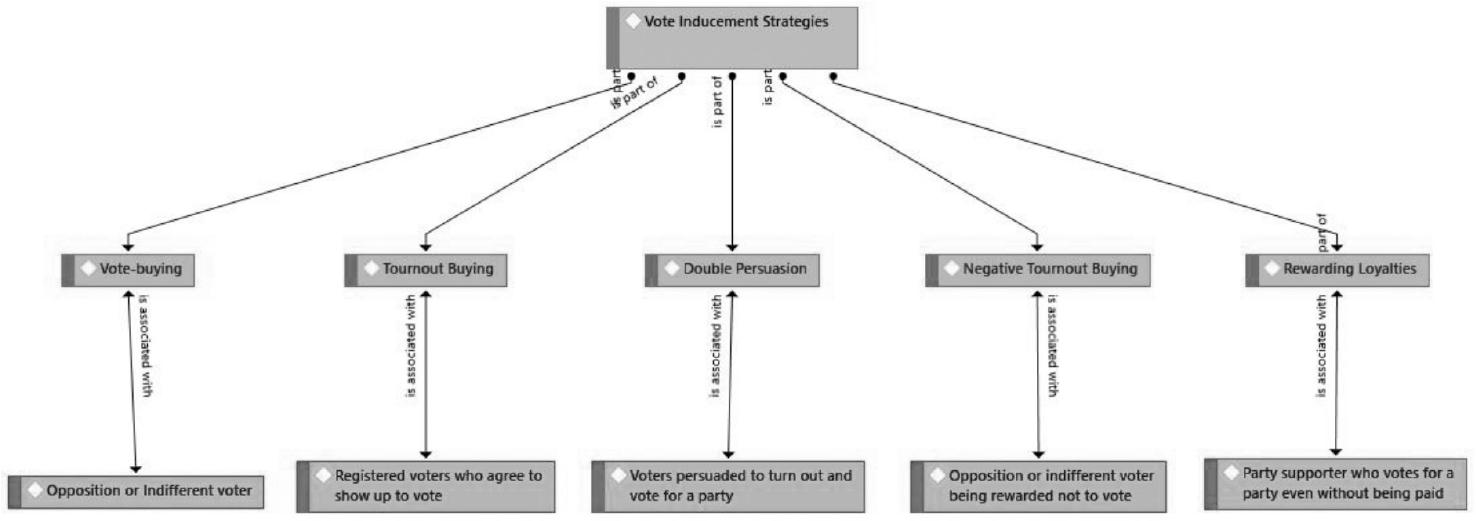
The theoretical model is based on the hypothetical assumption of whether the material rewards given to voters and electoral officials are for vote buying or turnout buying. This theoretical model synthesises the contrasting model of vote buying by Stokes (2005) and turnout buying by Nichter (2008) and adapts five strategies of electoral reward as advanced by (Gans-Morse, Mazzuca, & Nichter, 2009). They are called reward strategies, which include vote-buying strategies, turnout-buying strategies, double persuasion strategies, negative turnout strategies, and rewarding loyalty strategies (Gans-morse et al., 2009). To clearly understand these strategies for vote inducement, figure 1.1 illustrates the target voter that each of the strategies focuses on. The targets for vote-buying strategies are opposition voters or indifferent voters. This category of voters comprises that electorate who are opposed to the party that wants to induce them but are willing to vote and those who are not only opposed to but also indifferent to vote (Gans-morse et al., 2009; Nichter, 2008).
However, while the turnout buying strategy targets non-voters who decide to show up to the poll if given some material benefits, the double persuasion strategy targets both opposition and indifferent voters. The aim here is not only to make them turnout for voting but also to make them vote for a candidate or party that buys them. That is to say, a strong monitoring instrument has to be put in place to ascertain their turning out and voting appropriately (Gans-morse et al., 2009). The next strategy is what is known as “Negative Turnout Buying”. This strategy targets opposition or indifferent voters with material or nonmaterial gifts to persuade them not to vote. This is adopted to reduce the electoral strength of an opposition party. The last strategy under this model is “Rewarding Loyalties”. This strategy targets political party loyal members who are conservative party supporters and are willing to vote for the party even without being rewarded with material gifts, but the party decides to give them gifts in terms of material or nonmaterial items (Gans-morse et al., 2009).
Figure i: shows vote inducement strategies and their target population or electorate. It can be seen from the diagram; political gladiators employ five strategies and each of the strategies has some specifically targeted voters. From left to right, it is shown that vote-buyers target opposition or indifferent voters. Opposition voters are those electorate who are card-carrying members of opposition parties. According to this model, their votes are being bought to vote contrary to their political conscience. Turnout buying targets registered voters who are not mindful of voting. They are given material gifts as incentives to turn out to vote irrespective of which party. Double persuasion strategy targets registered voters who are indifferent to vote but the material incentives motivate them to come out and vote and to vote for the persuading party. Negative turnout buying targets opposition or non-different voters to stop them from coming out to vote. This is to either reduce the chance of opposition political parties to reduce the percentage of voters’ turnout. The last strategy is rewarding loyalties, which targets loyal party members with material gifts. The material gifts are given to them as morale boosters because their level of commitment to their parties shows that they can vote even without being given anything.
Methodology
This study utilizes a mixed-methods approach to data collection, aimed at gaining comprehensive insights from the respondents. Quantitative data was collected through a survey methodology, employing a structured questionnaire as the primary tool. These questionnaires were administered digitally using the KoboCollect application, to facilitate data gathering and analysis. This study employed a multi-staged sampling technique, where a combination of sampling techniques was used to select the Local Government Authorities (LGAs) and respondents. In the first stage, Kebbi State was divided into three Senatorial Districts based on political delineation, which comprised of Northern, Central, and Southern Senatorial Zones. In the second stage, seven LGAs (two from each of the Southern and Northern and three from the Central Senatorial Zone) were selected randomly using simple random sampling by balloting; Arewa and Argungu (Northern), Birnin Kebbi, Bunza and Gwandu (Central), and Yauri and Zuru (Southern). In the third stage, a sample of respondents in each target area was identified and the sample size was determined proportionately. The sample size for the survey was determined by using the Yemane formula n = N/1+N (e)2 where n = sample, N = population, e = degree of freedom. Consequently, 400 respondents were proportionately selected for the survey from the seven sampled LGAs. However, the proportional distribution of the respondents is determined by the total number of e eligible voters of the sampled LGAs based on the percentage rate of Permanent Voters Card (PVC) collection as shown in table 1.1.
Table i Distribution of Target Respondents Based on the Three Senatorial Zones
| Senatorial Zones (S.Zs.) | No of LGA Selected PVC Collection of from the S.Z. the Selected LGA | Respondents from the Selected |
|---|---|---|
| Kebbi North | 2 249,697 (31.3%) | 128 (32.0%) |
| Kebbi Central | 3 365,104 (45.8%) | 178 (44.5%) |
| Kebbi South | 2 182,465 (22.9%) | 98 (23.5%) |
| Total | 07 797,266 | 400 |
Source: Authors’ Computation, 2023.
Table i: presents the distribution of the target respondents as they were proportionately selected from the sampled LGAs across the three senatorial zones. As it is shown, 128 respondents representing 32.0% from the Kebbi North Senatorial Zones were administered the questionnaire. In Kebbi Central Senatorial Zone, 178 respondents representing 44.5% were administered with questionnaire and 98 questionnaires representing 23.5% were administered to the respondents from the Kebbi South Senatorial Zone.
Furthermore, qualitative data was collected through key informant interview and focus group discussion (FGD). Four informants were purposively selected from the major political parties that participated in the 2023 general elections in Kebbi State. All the four informants were politicians who actively participated in the elections. Besides, one FGD was conducted with 5-7 participants per group in each of the Kebbi North Senatorial Zone and Kebbi South Senatorial Zone and two FGDs were conducted in Kebbi Central Senatorial Zone. The FGD participants were drawn from polling booth party agents and ad-hock electoral officials who worked for the Independent Electoral Commission (INEC). The FGD sessions were tape-recorded with the consent of the participants.
In the analysis of the data, the Statistical Package for the Social Sciences (SPSS) was utilized for the interpretation of quantitative metrics. This quantitative analysis was carried out alongside qualitative data integration to facilitate a holistic understanding of the results obtained.
Presentation and Interpretation of Data
The survey data collected using the digital questionnaire were presented and interpreted. The presentation and the interpretation were guided using SPSS. Demographic Data of the Respondents
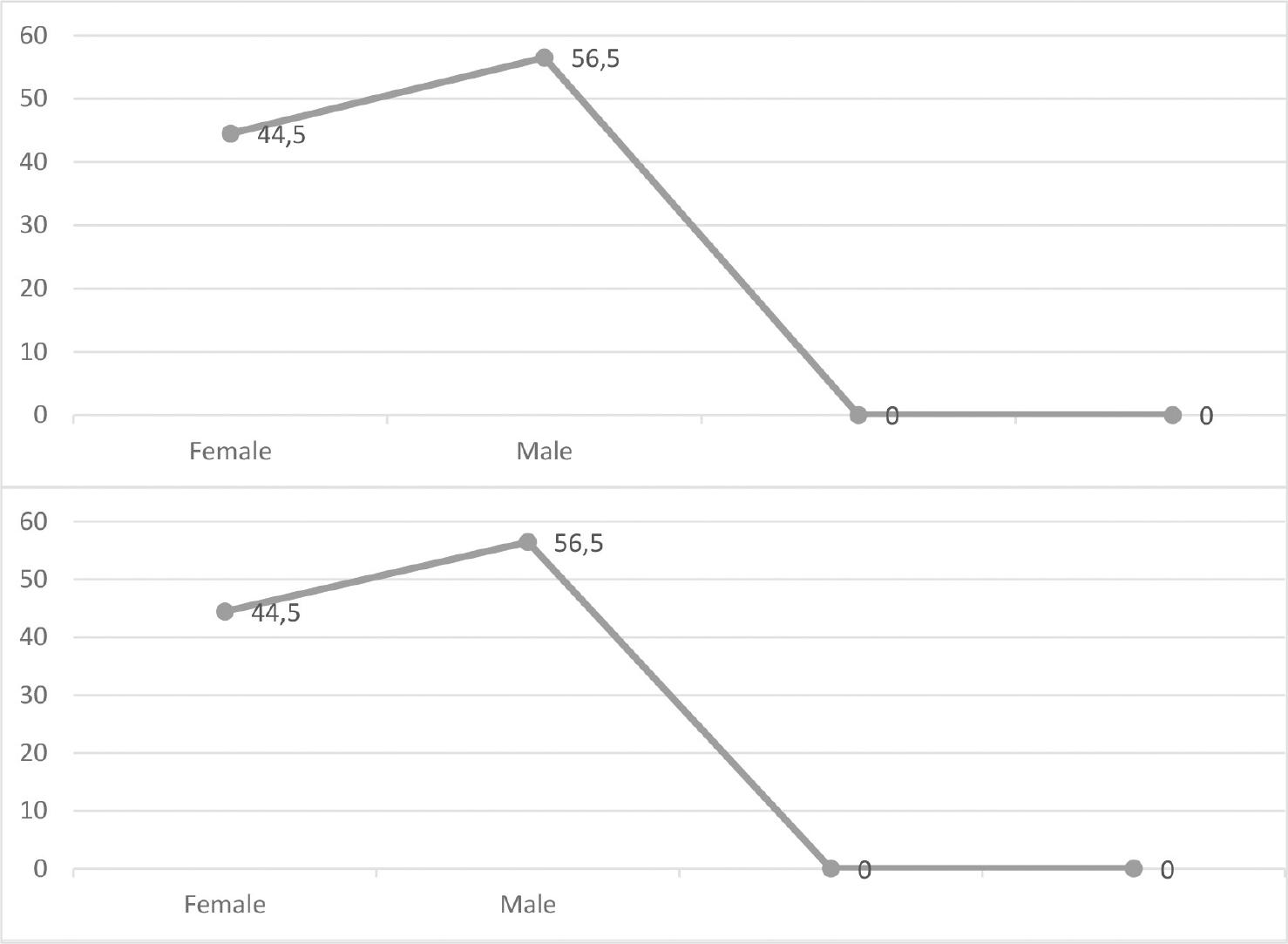
Figure ii: presents gender distribution of the respondents. As it is shown, 44.5% respondents to the questionnaire is female and 56.5% is male. This means that more male responded to the questions asked about vote buying in Kebbi State. Both the male and the female are aged from 17 years and above as presented in figure 1.2.
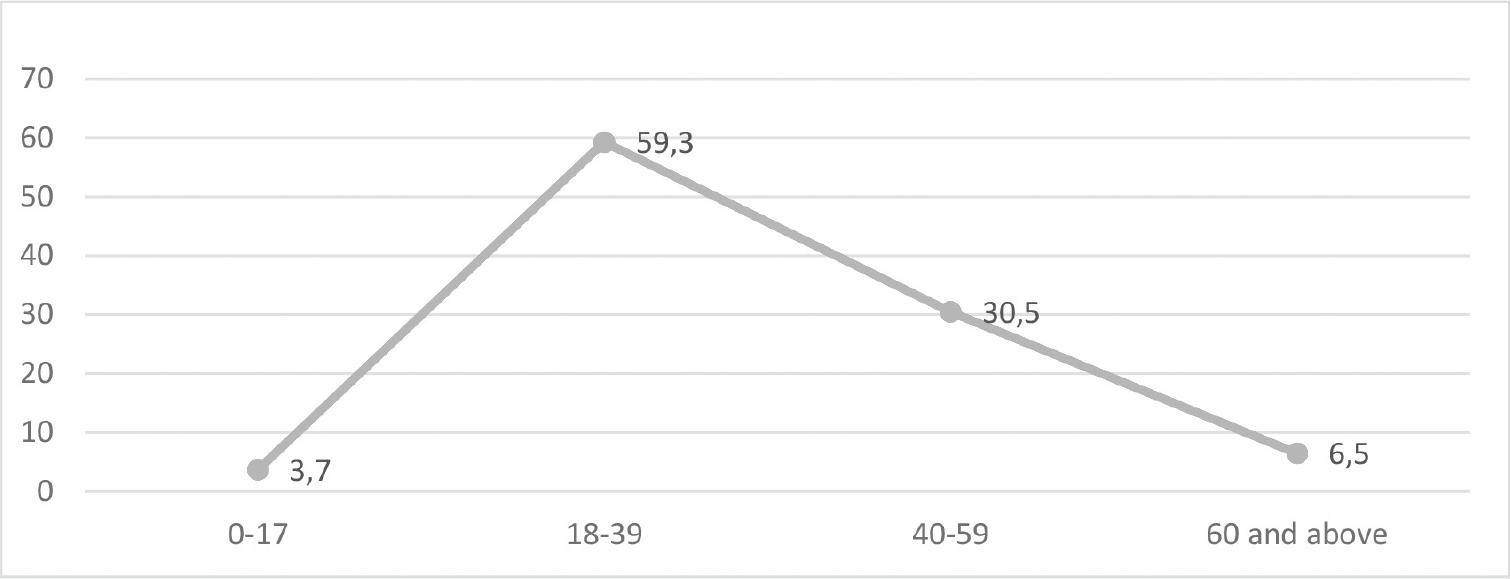
The elections witnessed some manifestations of under age voting as 3.7% of the voters were below 18 years. Both the 1999 Constitution (as amended) and the 2022 Electoral Act (Federal Republic of Nigeria, 2022) are clear about the 18 years threshold as the voting age. Though it is a small percentage, however, it is an indication of the violation of extant laws of Nigeria, which some politicians in the country are known for. Nevertheless, over 96% of the respondents were eligible voters by age as 59.3% are within the age bracket of 18-39 years, 30.5% of the respondents are aged from 40-59 years and 6.5% are aged 60 years and above.
Figure iv presents respondents’ levels of educational qualification. As it is clearly shown, 26.8% possess non-western education, 9.9% of the respondents have primary education, 24.3% have SSCE, 25.5% are holders of either NCE (i.e. National Certificate of Education) or ND (National Diploma), 12.5% possess either Bachelor Degree or HND (Higher National Diploma) and only 1.0% are with postgraduate degree.
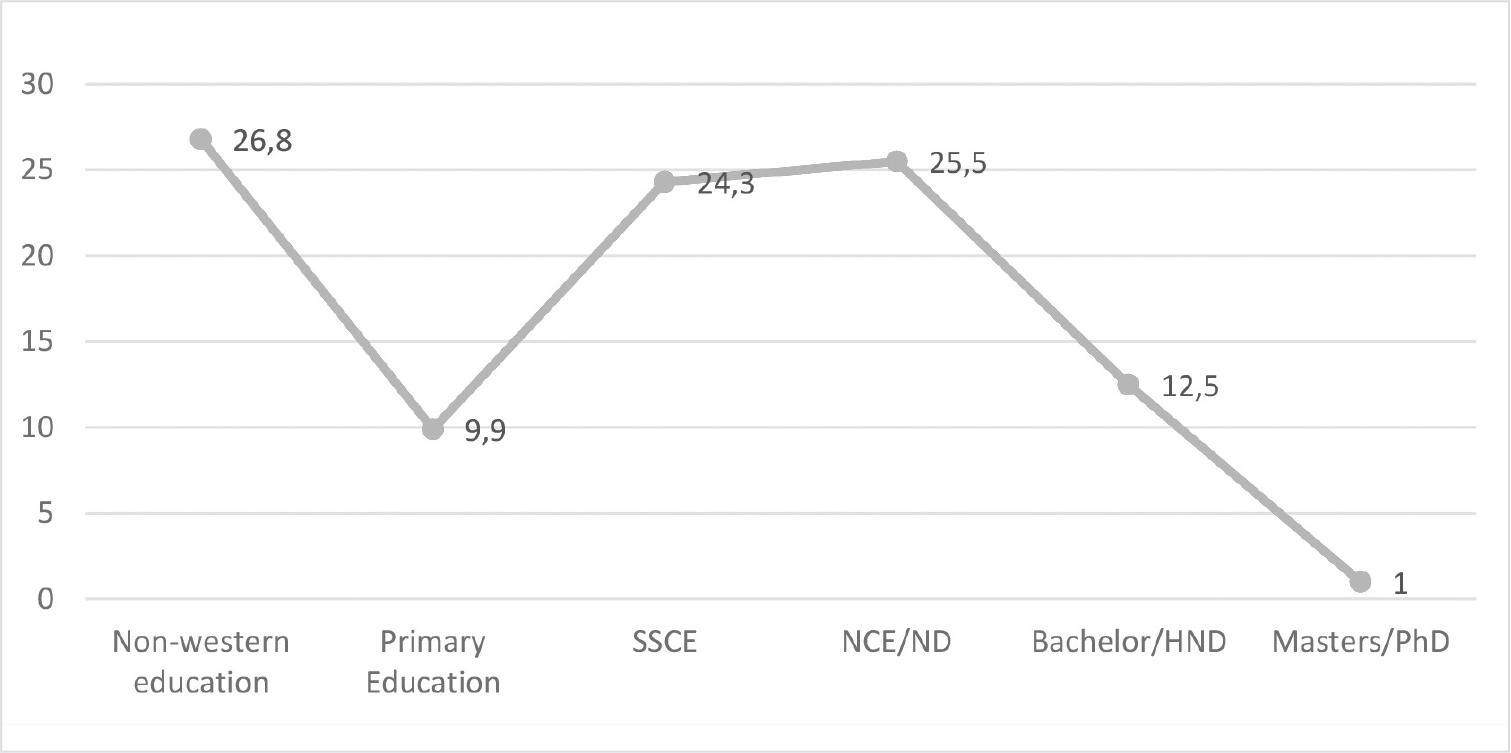
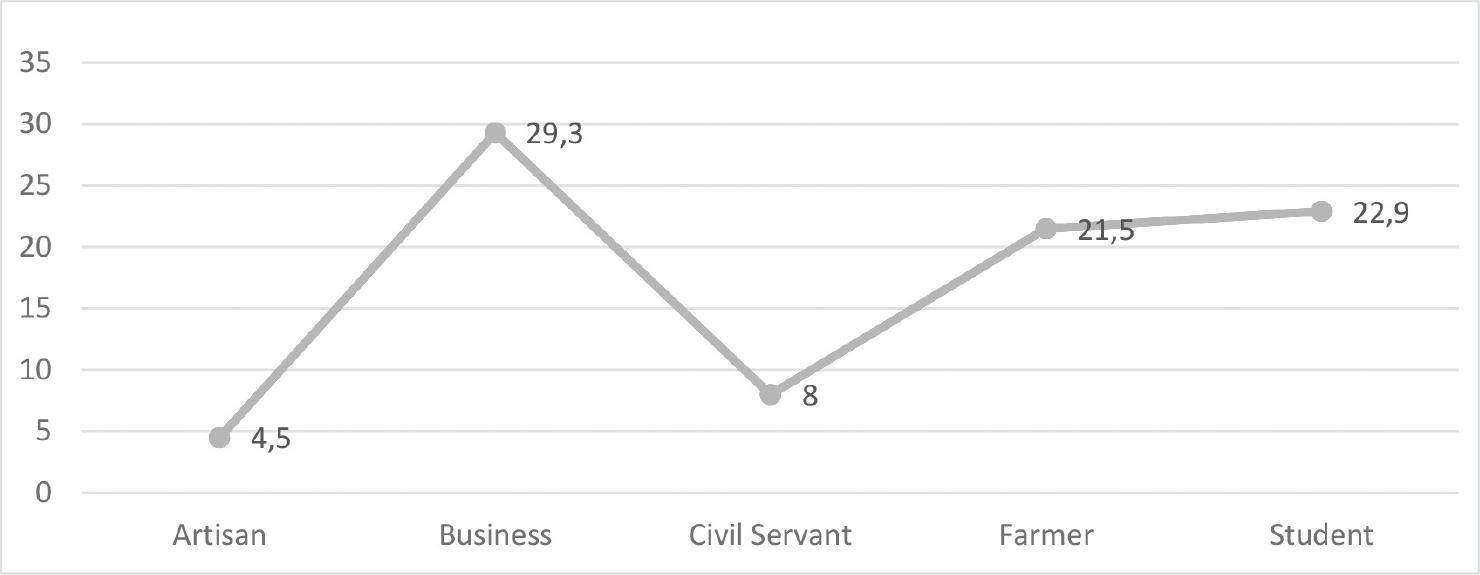
Figure v above presents respondents’ distribution according to their occupations, ranging from an artisan with 4.5%, business with 29.3%, civil service with 8%, farming occupation 21.5%, and schooling with 22.9%
Vote Buying or Turnout Buying in Kebbi State, Nigeria: Evidence from the 2023 General Elections
The survey aims at evaluating the views and the experiences of respondents, who were randomly sampled from the eligible voters of Kebbi State, on the nature of vote trading during the 2023 general elections. The evaluation begins by establishing the extent of the respondents’ participation in the elections to nature and the agents of political mobilisation.
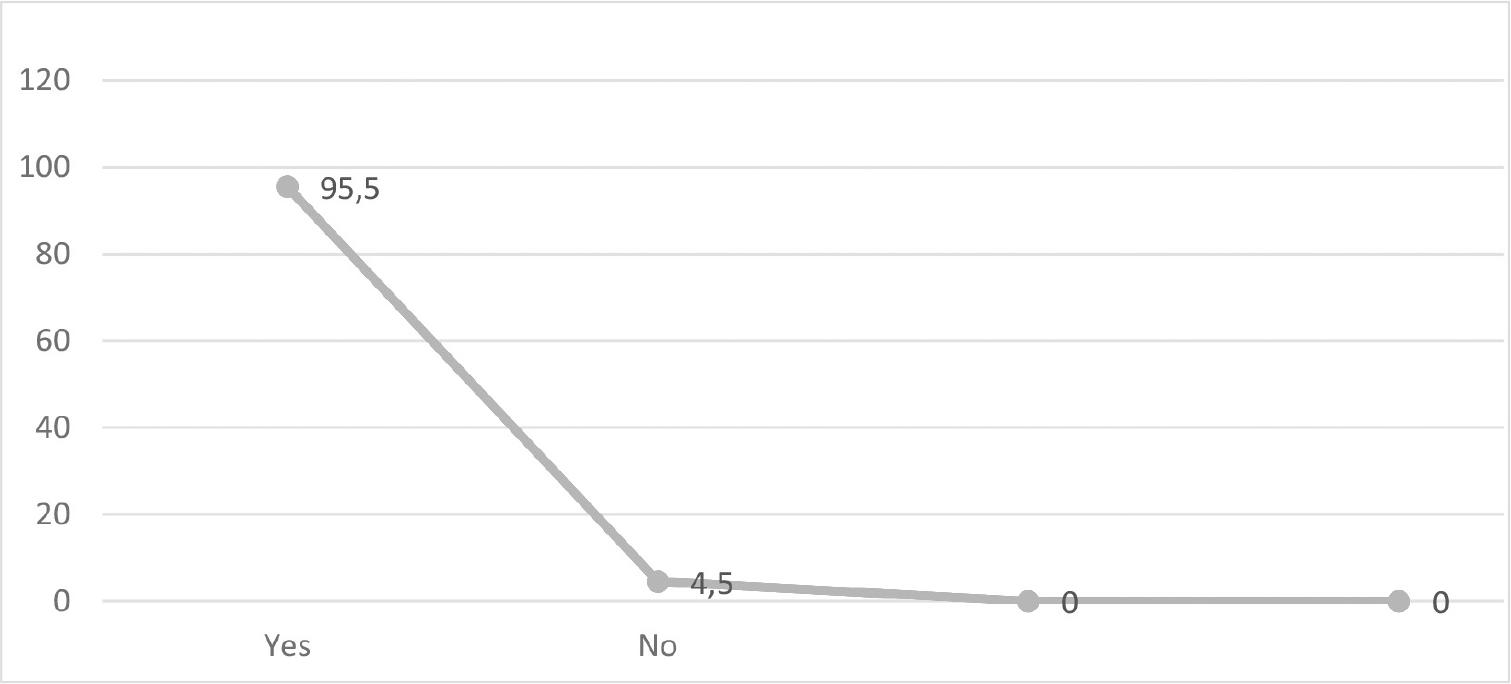
Figure vi above presents respondents’ distribution on whether they had a permanent voter’s card (PVC) before the election or not. It shows that 95.5% had their PVC before the election, while only 4.5% did not have PVC.
Source: Fieldwork, 2023
Fig vi Distribution of Respondents on Whether They Had PVC before the elections
Source: Fieldwork, 2023
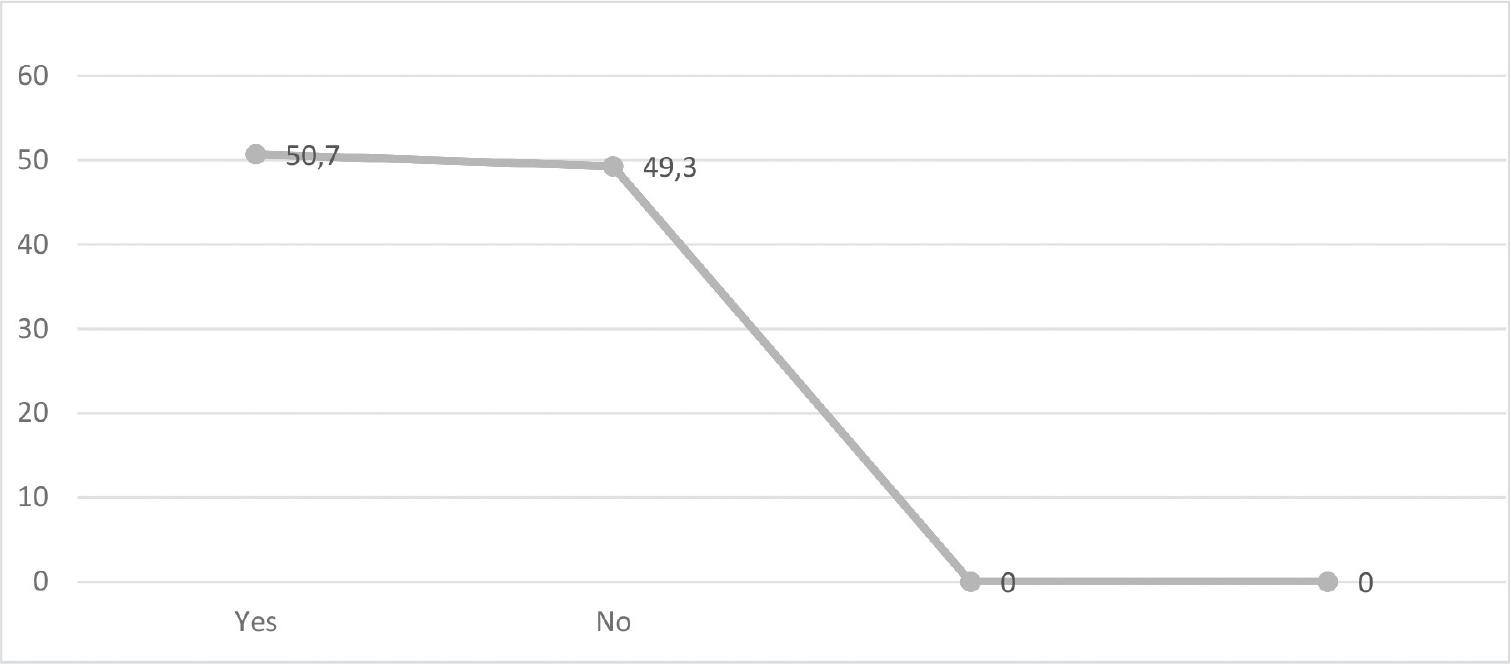
Fig vii Whether Respondents Belong to any of the Political Parties that Participated in the Last Elections
Source: Fieldwork, 2023
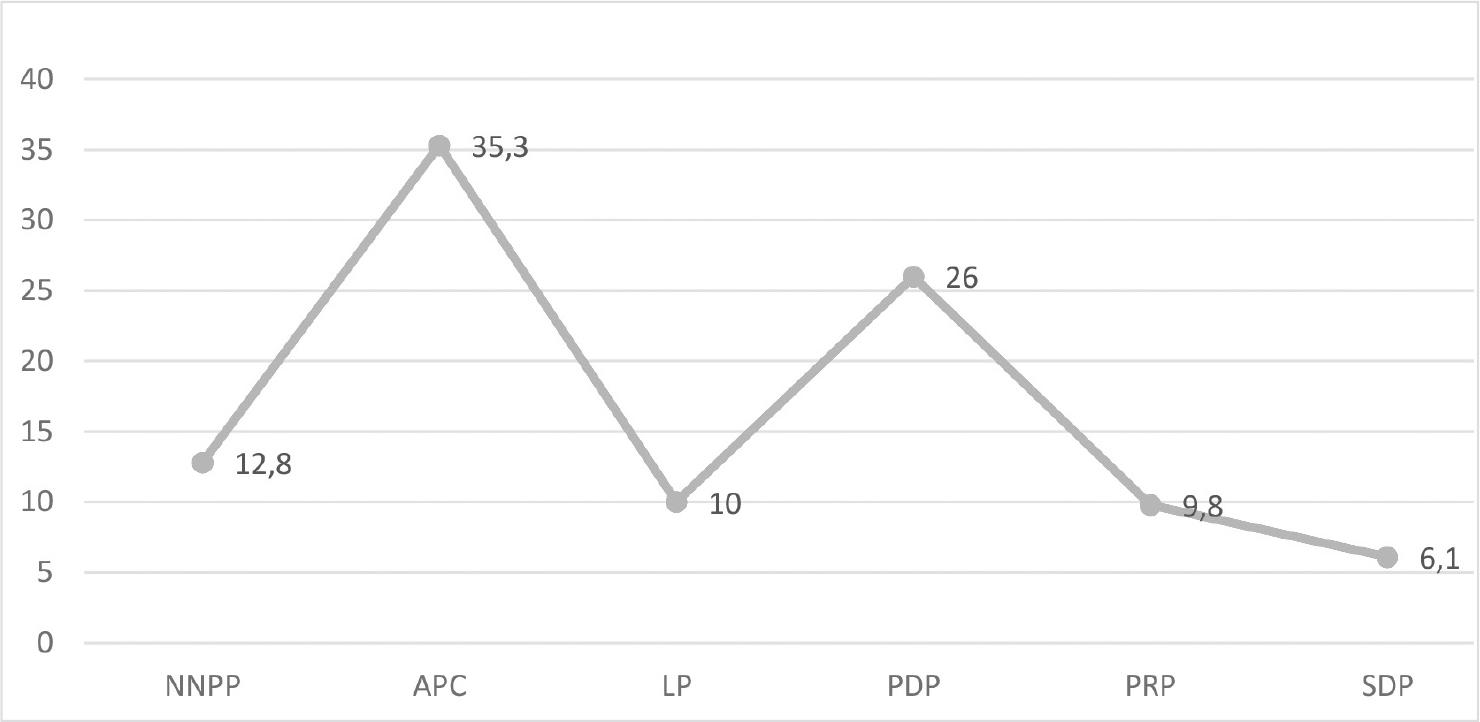
Fig. viii Distribution of Respondents According to Political Parties they Belong.
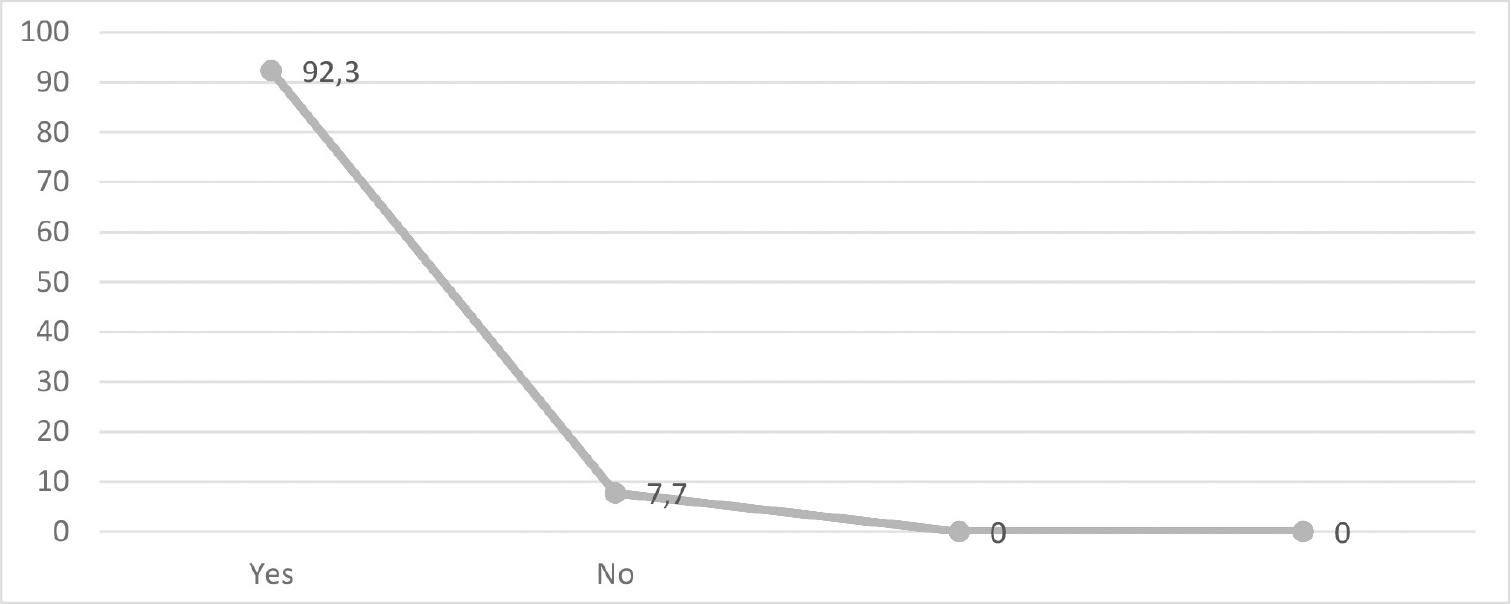
Source: Fieldwork, 2023
Fig. ix Distribution of Respondents on Whether They Voted During the Last Elections
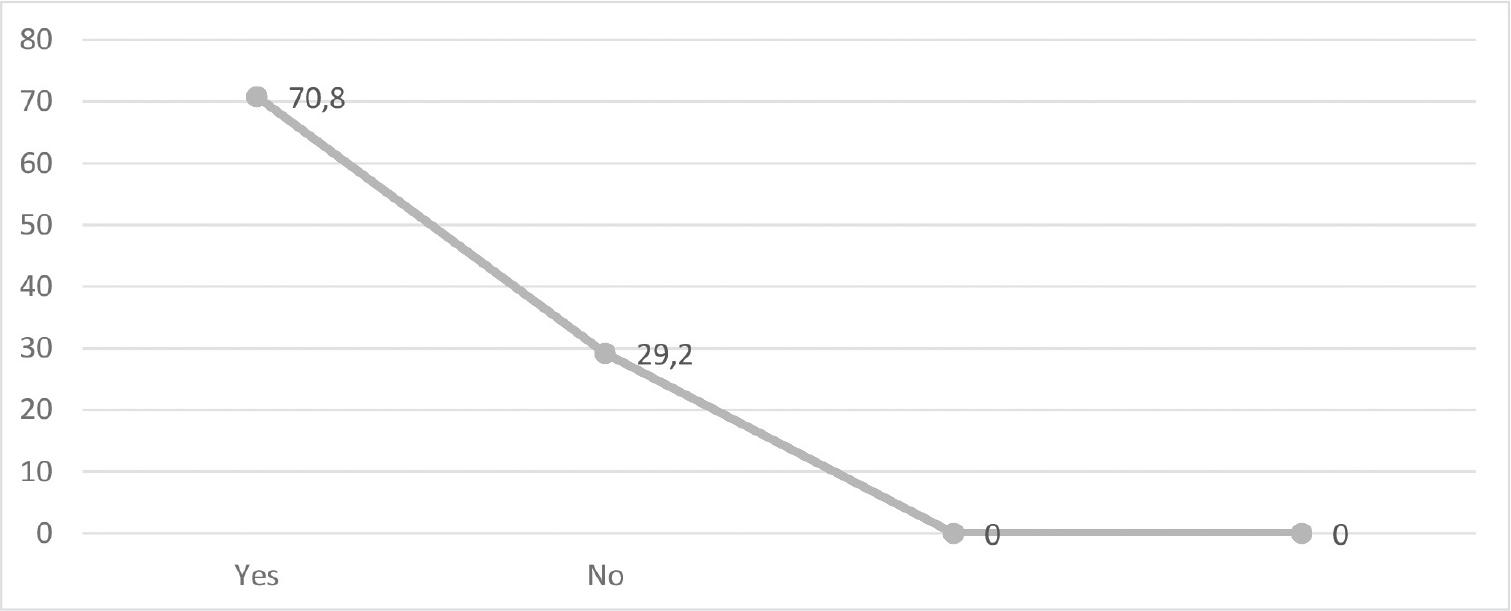
Source: Fieldwork, 2023
Fig. x Respondents’ Distribution on whether they were Mobilised to Vote or Not
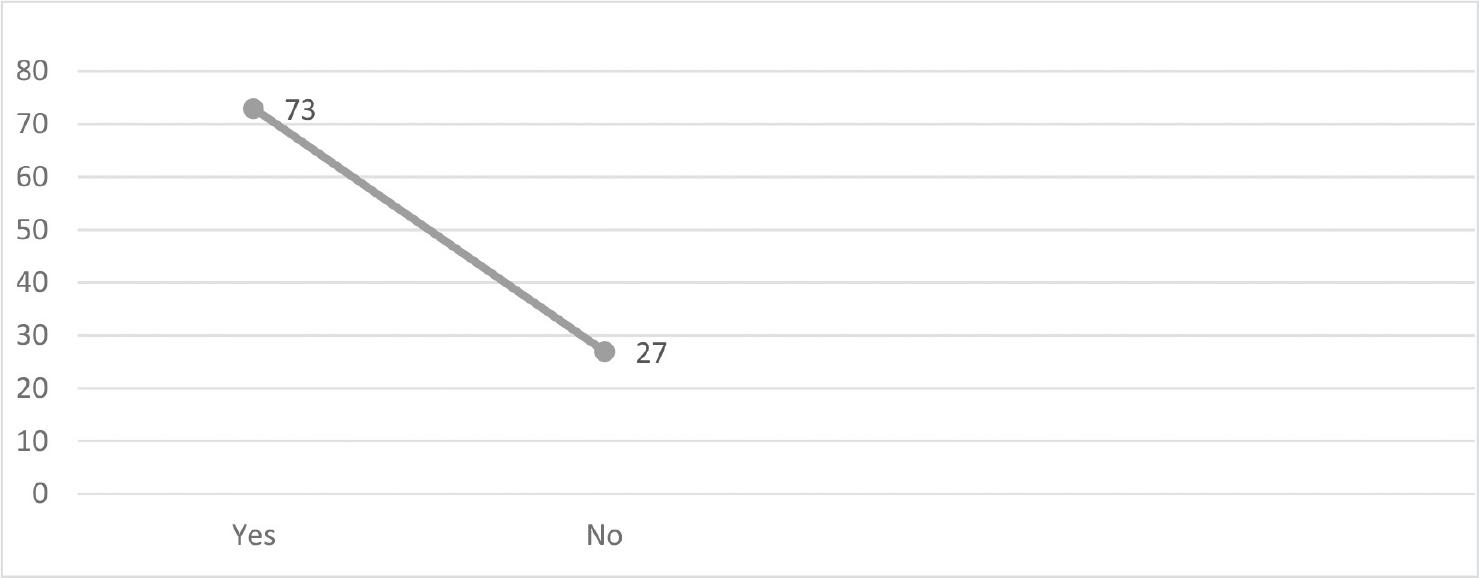
Source: Fieldwork, 2023
Fig. xii Distribution of Respondents on Whether They Were Given any Material Gifts Before, During and After the Elections
In terms of membership of political parties, figure 1.6 presents respondents’ distribution. As the result shows, 50.7% are card-carrying members of the political parties that contested the 2023 general elections in Kebbi State, and 49.3% of the respondents do not belong to any political party. They are just electorate who went out to vote for candidates of their choice. For those who are members of political parties, they were asked to indicate their respective parties in table 1.7.
In a focus group discussion conducted in the Kebbi South Senatorial Zone, 5 out of the 8 participants were registered members of different political parties that participated in the 2023 general elections in the state. This number accounts for 63%, which is slightly higher than the percentage of voters who identified as party members previously mentioned.
The respondents have indicated their membership in the various parties that contested the elections. As the result shows, 12.8% are members of the New Nigerian People’s Party (NNPP), 35.3% belong to All Progressive Congress (APC), 10% are members of the Labour Party (LP), 26% are card-carrying members of People’s Democratic Party (PDP), 9.8% are members of People’s Redemption Party (PRP) and 6.1% belong to the Social Democratic Party (SDP). This result reveals the manifestation of political diversity of the respondents as it conforms to the multi-party nature of the democratic system being practiced.
However, to ascertain whether the respondents participated in the voting exercise or not beyond just having PVC or party membership, figure 1.8 presents that 92.3% voted for candidates of their choice and 7.7% did not vote at all. This shows massive participation of the respondents in voting during the 2023 general elections.
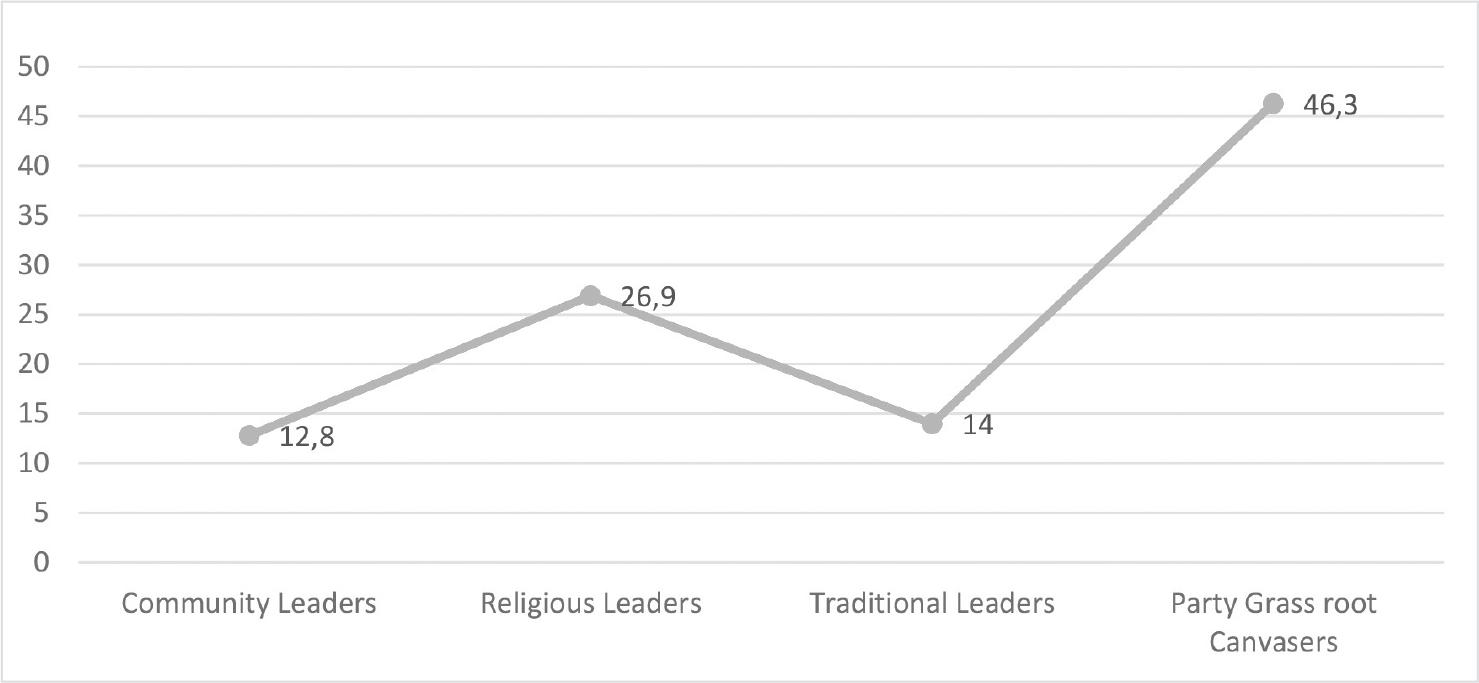
The respondents who voted during the 2023 general elections were asked whether they were mobilised to vote or not. The result shows that 70.8% responded that they were mobilised to vote and 29.2% claimed to have voted without being mobilised. The respondents who were mobilised to vote were further asked to indicate who mobilised them as presented in figure 1.10.
Four categories of the mobilising agents were presented in figure 1.10 and the result shows that 12.8% of the respondents claimed to have been mobilised by the leaders of their community-based associations, and 26.9% indicated that they were mobilised by religious leaders. While 14.0% responded that traditional leaders have mobilised them, 46.3% claimed to have been mobilised by grass root canvassers appointed by political parties.
The objective of the survey was to gain a deeper understanding of political mobilization among voters during the 2023 general elections in Kebbi State.
Specifically, it aimed to determine whether respondents received any material gifts as inducement for their votes, either before, during, or after the election. The findings revealed that 73% of the respondents reported receiving material gifts, while 27% indicated they voted without any such incentives. Moreover, the survey also sought to investigate the specifics of these material gifts, as outlined in Table 1.12.
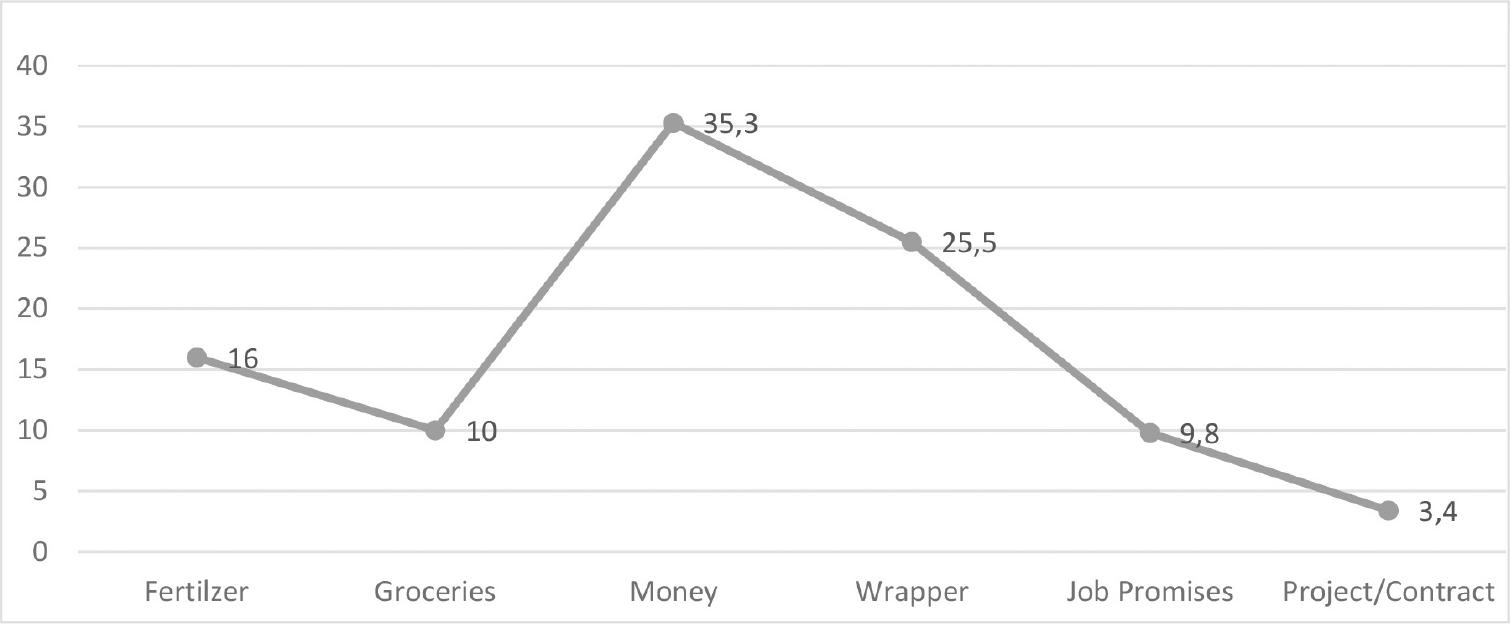
The responses reveal that 16.0% of respondents received fertilizer as a material gift, while 10.0% were gifted groceries. Additionally, 35.3% received monetary contributions.and 25.5% were given wrappers. Promises of employment accounted for 9.8% of the gifts, while promises of projects or contracts constituted 3.4%. These types material gifts were utilized for vote buying and incentivizing turnout during the 2023 general elections inof Kebbi State.
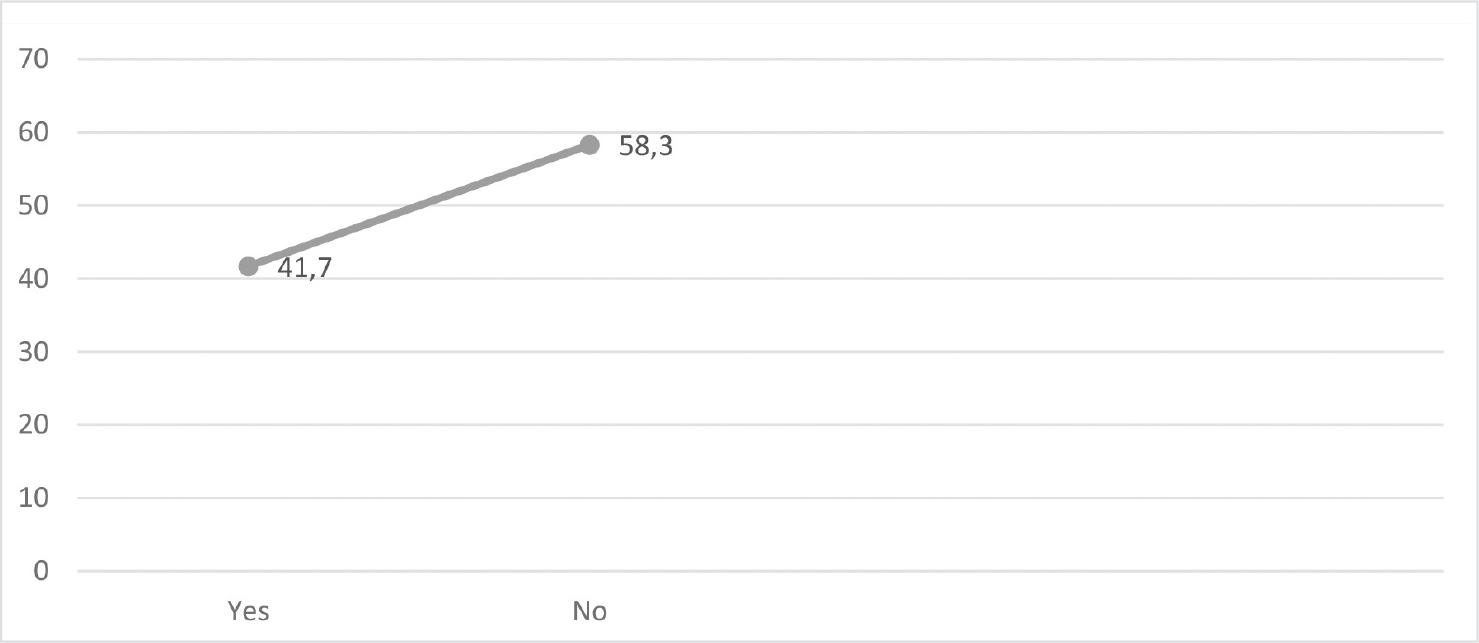
While Figure xiv above presents results about the types of material gifts given to the electorate during the elections, figure 1.13 presents the result on whether the distribution of material gifts was attached with any condition to ensure compliance. This condition was that the voters were to display their ballots or snap them before they put them into ballot boxes. This would guarantee vote buyers that the voters who were given material gifts comply by voting for their respective candidates. However, as the result reveals, 41.7% said that they were asked to display or to snap their ballot before casting and 58.3 said no, they were not asked to display anything. This might mean that not much condition was attached to the material gifts given to them.
Data Triangulation and Discussion of Findings
The findings of the survey reveal that over 95% of the sampled respondents had collected their PVC before the election’s days, which confirmed their legal status to vote. However, having PVC before the election did not guarantee one hundred percent voters’ turnout. This manifested in the respondents’ participation in voting as the result in Figure 1.8 reveals that only 92.3% went out to vote as against the over 95% of respondents with PVC. This has clearly shown that about 4% who collected their PVC before the election did not vote. Nonetheless, different factors such as participation as party agents, ad-hoc staffing for the electoral umpire, or lack of mobilisation, among other factors, can explain this situation. The issue of political mobilisation is very critical to electoral success of any political party because it is supposed to be an avenue where it presents its manifesto to the electorate. However, in Kebbi state during the 2023 general elections, political mobilisation was used as a strategy for vote buying, especially by the major political parties (Respondent1). According to a respondent:
Whosoever was mobilised to attend a political rally or campaign from the major political parties (i.e., APC and PDP), was paid to attend. Members of these parties, their sympathisers, and supporters had to be paid before attending any campaign rally organised by the parties’ leadership (Respondent 1).
He describes this as one of the stages of vote buying by the major parties.
Another stage is house-to-house mobilisation, where women are employed to reach out to their fellow women in their respective houses and distribute money, and material gifts such as bags of rice, park of spaghetti, fertilizer, wrappers, and other groceries, to them (Respondent1).
During the FGD session in Kebbi South Senatorial Zone, most of the participants accepted that because they were members of political parties, they were therefore used as agents for mobilisation. They were paid to mobilise for people to go out and vote for their respective political parties. Most of the FGD participants attested to the fact that material things were being distributed to voters during campaign rallies, especially in the rural areas. In some instances, voters were the ones asking for material gifts. They call them kayan aiki (gifts given to voters or mobilisers in kind or in cahe) in the local language.
In addition, vote-buying took place at polling units during the voting exercise (Respondent 2). This corroborates the finding in Figure 1.11 where 73% of the respondents agreed to have been given material gifts by different parties’ agents to vote for their candidates. The nature and types of the material gifts are contained in Figure 1.12 as 16% reveal that fertilizer was given to them to vote, 10% responded that groceries were given to them as an incentive to vote and 35.3% claimed to have been given money to buy their votes. In the same vein, 25.5% accepted that they were given wrappers for their votes, 9.8% responded that they were promised jobs when the party seeking their votes was elected to power and 3.4% of the respondents claimed to have been promised either execution of projects in their communities or award of contract. More so, during one of the conducts of FGDs in the Kebbi Central Senatorial Zones, participants unanimously agreed that despite the cashless policy that was being implemented by the Federal Government of Nigeria, politicians, with the help of their party agents, distributed money, wrappers, and other groceries to win elections. When they were short of Nigeria’s currency, they made use Franc, which is the Nigerien currency. In another FGD session from Kebbi North Senatorial Zone, some of the participants argued that in addition to forcing voters to display whom they voted for before they were paid, civil servants among them were closely monitored by agents employed by the ruling party in some of the polling units to see which party they voted for. Others acknowledged witnessing an arrangement of displaying ballot paper to an assigned agent for authentication. This indeed supports the findings of studies such as Vande’s (2022), Dauda & Abdullahi’s (2019) and (Olaniyan, 2020), among others, where they found out that food items, clothes, money, and other things were in exchange for votes from the electorate.
However, Nichter (2008) of turnout buying has accepted political parties’ distribution of material gifts as part of political benevolence for attracting voters to turn out and participate in the voting process. He made this assertion as a response to Stokes’ (2005) submission of vote buying model. According to Nichter (2008), distributing material gifts of whatever form to voters does not explain vote buying. It is either done to non-partisan voters to buy their turnout or to political parties’ supporters and members as a reward for loyalty (Nichter, 2008). This is because the vote-buying machine requires an effective monitoring system to be put in place to ensure compliance. In the absence of an effective monitoring mechanism, the situation is not a vote-buying issue but rather, it is turnout buying. Nigeria’s secret balloting system prohibits monitoring of voters while casting their votes in order not to influence their choice. Nevertheless, politicians at times flagrantly violate this law by asking voters to display their votes to parties’ agents or security agents. Some informants have argued that:
…voters who agreed to sell their votes were being given half payment and asked to use their smartphones to snap or scan their ballots before putting them in the ballot box. They could only be given the remaining balance after showing their snapped or scanned ballots (Respondent 3 & 4).
In some instances,
… votes were being sold and bought at N5000.00 ($8.33) before the election and N5000.00 ($8.33) after the voters must have shown their evidence of voting to an agent assigned by politicians. In fact, during the gubernatorial rerun election in the state, votes in some polling units were traded at the rate of N100,000.00 ($166.7) (Inf1).
These are the instances that Nichter (2008) agreed to be described as vote-buying situations as against distributing material gifts to voters before or during elections without monitoring mechanisms. Distributing money, rice, spaghetti, wrappers and other promises like contracts and job opportunities to prospective voters by political parties’ candidates or their agents without monitoring mechanisms can only lead to buying turnout. Therefore, both vote buying and turnout buying fall under what is called electoral reward strategies that are given to different categories of voters by different political parties (Gans-morse et al., 2009). The reward system comprises a vote-buying strategy, turnout strategy, double persuasion strategy, negative turnout strategy, and rewarding loyalty strategy (Gans-morse et al., 2009). Moreover, to ascertain whether what was obtainable during the 2023 general elections in Kebbi State was targeted at vote buying or turnout buying, figure 1.13 presents responses of the survey respondents where 41.7% agreed that they were asked to display or snap their ballots to some designated parties’ agents. While 58.3% responded that, they were not asked to display their votes to anybody. The situation of this category of Respondents can be explained under double persuasion as the material gifts given to them were meant to serve two purposes even if there were no monitoring mechanisms put in to monitor compliance. They could be to make them turn out to vote and if they agreed to turn out, they were to vote for the candidates of the parties that distributed the gifts.
Conclusion
The central concern of this paper is to subject the vote-buying and turnout-buying models to empirical tests, and this has been achieved using empirical data from Kebbi State, Nigeria. However, the two models’ explanatory prowess have competing strengths in analysing the nature of the voting process during the general elections in Kebbi State. Although both the quantitative and the qualitative data have revealed that money and other material gifts distribution to the electorate featured before and after the elections, it cannot be directly concluded that the distribution of money and material items was vote buying as other studies concluded. Legal prohibition of monitoring the casting of votes in a secret ballot system like the one practice in Nigeria is one of the reasons the situation cannot be sufficiently described as vote buying. The distribution of material items before and during elections might be an attempt to influence or induce voters’ choice of candidates, but the situation was vote buying as the turnout buying model argues.

