


SciELO - Scientific Electronic Library Online

 
 número51Benefícios da telenfermagem no seguimento da pessoa com doença hemato-oncológica: uma revisão sistemáticaRecomendações de boas práticas de Enfermagem para Instilação Intravesical no Cancro da Bexiga: Adaptação para o Cuidado Oncológico Português índice de autoresíndice de assuntosPesquisa de artigos
Home Pagelista alfabética de periódicos  

Serviços Personalizados

Journal

Artigo

Indicadores

Links relacionados

  • Não possue artigos similaresSimilares em SciELO

Compartilhar


Revista Onconews

versão impressa ISSN 1646-7868versão On-line ISSN 2183-6914

Revista Onconews  no.51 Porto jun. 2025  Epub 01-Out-2025

https://doi.org/10.31877/on.2025.51.06 

Artigo Teórico/Técnico

Nurse-Led Gastrostomy Care: A Business Case

Cuidados conduzidos por enfermeiros em gastrostomia: Proposta de Valor

Atención de gastrostomía dirigida por enfermeras: una propuesta de valor

Davide Miguel da Silva Fernandesi  , Conceptualization, investigation, methodology, project administration, supervision, validation, writing-original draft, Writing - review & editing
http://orcid.org/0009-0004-1607-8715

Ana Sofia Magalhães Lopesi  , Conceptualization, Writing - original draft
http://orcid.org/0009-0009-1945-9368

i Instituto Português de Oncologia, Porto, Portugal


Abstract

Percutaneous gastrostomy tube placement is a crucial method for providing long-term enteric nutrition in patients with cancer. The process involves four stages: decision-making consultation, hospital admission, device implantation in a hybrid operating room, and discharge to the community. Post-discharge care is typically physician-led, aligning with Portuguese health policies. However, expanding nurse-led interventions could alleviate physician burden, enhance care integration, and improve outcomes such as quality of life, patient engagement, and satisfaction. Nurses’ involvement, guided by clinical expertise and person-centered care principles, ensures effective follow-up tailored to individual needs. While nurse-led care shows promise, its economic impact remains underexplored, raising concerns about cost-efficiency in community-based gastrostomy management. This article advocates for a nurse-led model to optimize care for gastrostomy patients, addressing gaps in current practices while maintaining quality and potentially achieving greater cost-effectiveness.

Keywords: gastrostomy; nurse specialists; business case; nurse-led; person-centred; nursing consultation

Resumo

A sonda de gastrostomia percutânea radiológica é crucial para fornecer nutrição entérica em doentes com cancro. Envolve quatro etapas: consulta para tomada de decisão, admissão hospitalar, implantação do dispositivo numa sala híbrida e alta para a comunidade. Os cuidados são liderados por médicos. No entanto, a expansão das intervenções lideradas por enfermeiros pode aliviar a carga sobre o radiologista de intervenção, melhorar a integração dos cuidados e potenciar resultados como a qualidade de vida, o envolvimento do doente e a sua satisfação. O envolvimento do enfermeiro especialista em enfermagem médico-cirúrgica, guiado por expertise clínica e princípios de cuidados centrados na pessoa, assegura acompanhamento eficaz e individualizado. Embora os cuidados liderados por enfermeiros mostrem potencial, o seu impacto económico permanece pouco explorado, levantando preocupações sobre a eficiência de custos na gestão da gastrostomia. Este artigo defende um modelo alternativo para otimizar os cuidados, abordando lacunas enquanto mantém a qualidade e, potencialmente, alcança maior custo-efetividade.

Palavras-chave: gastrostomia; enfermeiro especialista; proposta de valor; cuidado centrado na pessoa; consulta de enfermagem; cuidados conduzidos por enfermeiro

Resumen

La sonda de gastrostomía percutánea radiológica es esencial para proporcionar nutrición enteral en pacientes con cáncer. Incluye cuatro etapas: consulta para toma de decisiones, ingreso hospitalario, implantación del dispositivo en sala híbrida y alta a la comunidad, con atención habitualmente dirigida por médicos. Ampliar las intervenciones lideradas por enfermeras podría aliviar la carga médica, mejorar la integración de los cuidados y potenciar resultados como calidad de vida, participación y satisfacción del paciente. La intervención de enfermeras especializadas, basada en experiencia clínica y principios de atención centrada en la persona, asegura un seguimiento efectivo y personalizado. Aunque estas intervenciones muestran gran potencial, su impacto económico no ha sido explorado a fondo, lo que plantea dudas sobre la eficiencia del manejo comunitario de la gastrostomía. Este artículo aboga por un modelo liderado por enfermeras para optimizar la atención, abordar deficiencias actuales y mejorar la relación costo-beneficio.

Palabras clave: gastrostomía; enfermera especialista; atención dirigida por enfermeras; propuesta de valor; atención centrada en la persona; consulta de enfermeira

Background/introduction

Percutaneous gastrostomy tube placement is a widely accepted method for providing long-term enteric nutrition and serves important health outcomes in adult and pediatric populations with cancer or neurologic diseases. 1-3 The implementation procedure, and its continuous care originate important health transitions, usually managed in medical appointments led by physicians. Generically, creating a radiologic percutaneous gastrostomy involves four sequential stages according to the availability of professionals and hospital resources: (1) hospital medical consultation for decision-making; (2) medical consultation for admission to hospitalization; (3) device implantation in a hybrid operating room (mixed team); (4) medical discharge to the community. After discharge, follow-up is determined by Portuguese health policies and most transitions are carried out by a physician, who also performs functions in the hybrid intervention room.4-6, therefore, the expansion of autonomous nursing interventions can help reduce the burden and optimize and integrate care. After implantation, the patient is under the care of the hospital team, with the frequency of care defined according to the nurse's clinical guidance and person-centred care principles.2,3,7 Nurse-led activities can improve outcomes, particularly quality of life, patient engagement, and patient satisfaction. 8,9 However, the economic impact of these activities is not well studied, although it does not appear to be detrimental.9,10 This fact raises doubts as to whether, in fact, care management for gastrostomy patients in the community is being carried out as efficiently and cost-effectively as possible. This article aims to present a business case pitch privileging nurse-led interventions regarding the care of the person with gastrostomy.

Development

The Business Case

A business case plan should provide stakeholders a structured proposal or framework for decision-making. Although not born in healthcare11,12 , in this context this approach to care planning might be a perfect way to approach the complexity of nursing transforming into quantifiable, evidence-based projects or objective proposals from a cost-benefit and quality point of view. 13-15 Not necessarily aiming to constitute a project in itself, the business case should overview objectives, costs and potential benefits or risks. It might be linked, if accepted, to a continuous improvement cycle such as “before”, “during” and “after implementation”. 16,17

The current business case thus intends to propose care exclusively led by nurses, supported by the nursing consultation methodology 18,19 and primary nurse work method.20 The med-surge specialist nurse will autonomously assume the interdependent dimensions of admission to hospitalization, discharge to the community and follow-up. Nurse-led methodology has already shown to be beneficial, in the pediatric community, and proximity and tailored care in gastrostomy patients has already been shown to be beneficial 21,22 The methodology is the visual presentation proposed by Osterwald e Pigneur - “Business Model Canvas”. 23
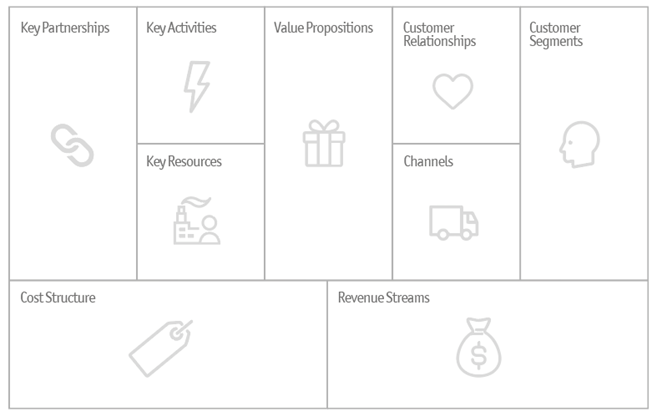
Figure 1. Business Model Canvas 

1. The customer segments

The customer segment represents the heart of any business case as it comprises the stakeholders that benefit from the model itself, preferably generating revenue. In this case, two important segments will benefit from implementing the proposed changes: people submitted to radiologically inserted gastrostomy as well as its’ caretakers when applicable. This model might also apply to endoscopic gastrostomy since the clinical pathway is similar. As referred before, this patient segment represents an important share of the total patients who use enteral feeding as their primary nutritional support and is a widely spread condition. 24-27 Special needs regarding this population are distributed through a series of incursions in the healthcare system each with different focus and goals. The prominent navigation landmarks include:

  • - Medical or multidisciplinary decision-making consultation;

  • - Medical admission to infirmary;

  • - Medical device implantation in hybrid room;

  • - Discharge to the community;

  • - Community follow-up.

2. Value proposition

Value proposition encompasses the advantages if a particular model from the stakeholders’ perspective. As stated before, this model is directed to a unique population, prone to deficient continuity of care due to multiple contacts with the health system. In this nurse-led model, these contacts will be enriched with directed interventions towards patient and caretaker-centered needs. We believe an evolution away from a physician-centred care, will create value by improving the quality of care through:

  • - Assuring patient advocacy towards informed decision-making28;

  • - Ensuring correct beforehand patient preparation (regarding technical, health quality and security issues);

  • - Securing handoff and handout and reducing missed care29 (ensuring continuity of care);

  • - Encouraging self-care, self-management shown to be beneficial 30, and with potential improvement in quality of life 31 ;

  • - Promoting self-monitoring, management of complications when requested and beyond the scope of self-care 2,3,32;

  • - Conducting basic nutritional assessment 33;

  • - Evaluating the need for differentiated referral (nutrition, psychological, social worker, medical);

3. The channels

Channels constitute the means of communication used to provide a service. The channels planned to cover the needs of people with an ostomy are already found in any health institution. They are provided for in the legislation and statutes of regulatory bodies and do not require further financial investment. These include a nursing consultation in person, over the phone or via communication platforms 18,19,34. Additional support will be provided via email and short-messaging support groups, following telehealth, principals.35 Additionally, creating a monthly digital “open-hour” for all professionals who wish to be enlightened about gastrostomy care is advised.

4. Customer relationships

In a given business, the relationship with the customer can take different forms, depending on the characteristics of the customer service and goals to be achieved. In the particular case of ostomized patients and the management of their care, this relationship can become complex and expensive for the healthcare system. Therefore, the central methodology adopted for the relationship will be that of primary nursing. This nurse will serve all patients in this group and will be the entry hub into the healthcare system, creating objective and explicit reference interdisciplinary communication channels. The primary nursing methodology has proven to be beneficial not only to the patient 36 and caretaker but also the nurse. 30
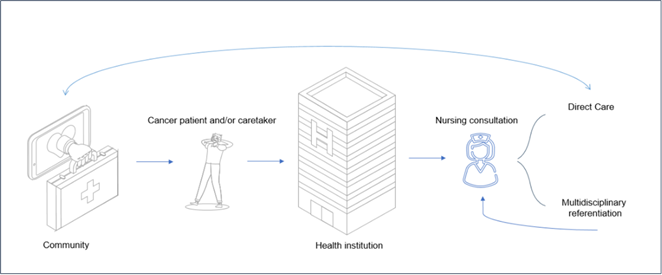
Figure 2. Nurse as entry hub into the healthcare system 

5. Revenue streams (the financial case37):

In a business, revenue streams encompass the profit from the sale of a product. In health systems, particularly the portuguese, providing care is not always associated with direct payment. In Portugal, the health financing model used is based on the Beveridge model, making healthcare services available to all citizens on a payment basis taxes38 and moderating fees, which aim to prevent excess use and have a role in moderating healthcare consumption. 39 Thus, in the business case now exposed, although sustained by proximity care, we are not in a position to outline forms of direct financial profit, but rather a potential for cost reduction, related (in a non-exhaustive way) with:

- Lowering rates:

  • - Nurse-led consultation is cheaper by 40% than physician-led consultation, especially in the emergency room18;

  • - Nurse-led tube replacement in consultation room is approximately 80% cheaper when compared to the traditional hybrid room replacement;

  • - Reducing delayed or cancelled events related to factors like deficient or uncertain preparation40;

  • - Reducing patient and health system, transportation fees, using the documented benefits of telemedicine 41;

  • - Reducing hospital readmission and emergency services usage, due to inadequate patient empowerment and complications, such as local infection and leaking 22,35.

  • - Out-of-pocket and intangible costs.

6. Key resources

Key resources represent the assets and consequential value needed to achieve the proposed goals. The resources that are needed depend largely on the nature of the proposal. In healthcare, namely cancer care, the most expensive resource are cancer drugs. 42 Although this business case is exclusive to cancer patients, further investment is not related to drugs but mostly on human resources. Therefore, the only resource indispensable to respond to this new approach to care is a nurse specialized in medical-surgical nursing, preferably with increased competence in oncological nursing and/or advanced training in ostomy. All other necessary resources are expected to be pre-existing in a health institution equipped to implant a gastrostomy. Among these, the following stand out: a consultation office equipped as referred to in the supplementary material section, a mobile phone with an internet connection and clinical consumables related to specific management of the medical device.

7. Key activities

Key activities refer to the main actions or interventions stakeholders take to attain success. When dealing with patients, success is translated by positive outcomes (either patient-reported or professional-reported). Examples of positive outcomes in the gastrostomized patient are: undelayed and complication-free tube placement and management, patient and caretaker mastery regarding knowledge, ability and attitude (or volition) to manage the device, adherence to good practice and unfragmented continuity of care. Indeed, given the nature of care, the intention is to center key activities in the scope of practice of reference nurse. These will include nursing care aiding to facilitate the implementation of transition processes, as stated below:

  • - Enabling the person and significant caregiver to experience the minimally invasive procedure through teaching, instructing and training;

  • - Developing a care design plan according to the needs identified along the continuum:

  • - Conducting first consultation with cancer patient (anamnesis, physical examination, informed consent, first contact with medical device)33;

  • - Using telephonic pre-procedure consultation to review preparation (as stated in the supplementary material section)35;

  • - Providing evidence-based care activities during the periprocedural period, and securing correct and documented handoff to inpatient infirmary and community43;

  • - Ensuring first consultation 15 days after tube implantation and follow-up consultations according to patient needs and device characteristics during office hours2,3;

  • - Guarantee minimal support during out-of-office hours using digital communication channels35;

  • - Providing direct care in the presence of tube-related complications7;

  • - Creating and measuring nursing care-sensitive indicators, namely satisfaction with care, engagement level, capacitation, self-efficacy and quality of life.

8. Key partnerships

Care coordination and continuity ensure that all providers and organizations involved in health care provide the proper care at the right time, involving a people-centric approach. Although autonomous nurse-led follow-up has proven to be valuable44, multiple partnerships must be created to avoid gaps in care. The most important partnership will be created with the patient itself, based on the benefits of relationship continuity.45 Implementation and maintenance of the current nurse-led care will be reinforced by:

  • - Creating and publishing normative roles and responsibilities of all people involved in care, including the patient’s role in self-care;

  • - Presenting the new model of care beforehand to institutional stakeholders, including interventional radiology clinicians, nursing administration and representatives of the various interdisciplinary departments, including nutrition and surgical and medical wards;

  • - Promoting regular workshops among community and external institution nurses, empowering them to collaborate with care;

  • - Establish relationships with research groups to study and continuously improve care supported in evidence-based practice.

9. Cost structure

Costs must be reduced for all incursions into the health system since resources are finite. Although the nature of this business case focuses on an apparent reduction in funds spent, this is a reductive view of its overall value. Besides the initial investment in a specialized nurse, as referred to in “key resources”, there is no prediction of any costs increase. Consequently, it is important to note that, as in any other "healthcare business", the preferred outcomes will not necessarily focus on profit but rather on value-based care, a mixed approach that will not only seek to reduce as much as possible the expense associated with care but simultaneously provide the best possible outcomes for the person treated.46
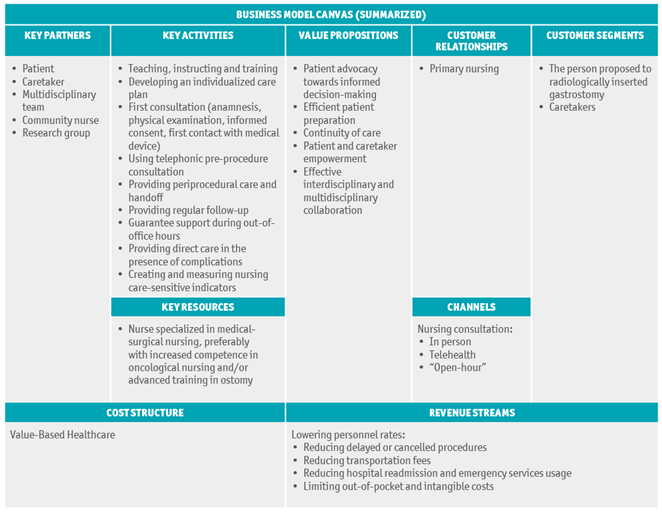
Table 1 Business Case Canvas (gastrostomy patient) 

Conclusion

Expanding specialized intervention nursing represents a strategic opportunity to improve clinical and financial indicators. The use of team elements with lower rate/ per hour worked, can provide sustainability to this model. However, the initial investment does not fit entirely into the current portuguese economic and legislative conjuncture. The main risks associated with this remoldingmight be related to resistance to change by stakeholders (perception of activity, confusion of roles), resistance by funders to the allocation of differentiated human resources (perceived value) and the absence or inadequacy of “nurse-led acts” in the current health regulations.

Bibliography

1. Karthikumar B, Keshava SN, Moses V, Chiramel GK, Ahmed M, Mammen S. Percutaneous gastrostomy placement by intervention radiology: Techniques and outcome. Indian J Radiol Imaging (Internet). 2018 Apr 1 (cited 2024 Jul 17);28(2):225. Available from: Available from: https://www./pmc/articles/PMC6038225/Links ]

2. Miguel Madaleno Cardoso P, Sofia Abreu Miguel S, Ferreira Santos S, Francisco F, Marques L, Rosa Varela Silveira M, et al. Consensus Paper: Ostomias de alimentação. 2023. [ Links ]

3. DGS. Indicações Clínicas e Intervenção nas Ostomias de Alimentação em Idade Pediátrica e no Adulto. 2016. [ Links ]

4. Morgan R, Haslam P, McCafferty I, Bryant T, Clarke C, McPherson S, et al. Provision of Interventional Radiology Services 2023. Cardiovasc Intervent Radiol. 2024 Jan 1;47(1):3-25. [ Links ]

5. Amour E, Hays D, Gandhi R. Outpatient Interventional Oncology: Primum Non Nocere. Endovasc. Today. 2019;18(10):94-7. [ Links ]

6. Mahnken AH, Boullosa Seoane E, Cannavale A, de Haan MW, Dezman R, Kloeckner R, et al. CIRSE Clinical Practice Manual. Cardiovasc Intervent Radiol. 2021 Sep 1;44(9):1323-53. [ Links ]

7. Roveron G, Antonini M, Barbierato M, Calandrino V, Canese G, Chiurazzi LF, Coniglio G, Gentini G, Marchetti M, Minucci A, Nembrini L, Neri V, Trovato P, Ferrara F. Clinical Practice Guidelines for the Nursing Management of Percutaneous Endoscopic Gastrostomy and Jejunostomy (PEG/PEJ) in Adult Patients: An Executive Summary. J Wound Ostomy Continence Nurs. 2018 Jul/Aug;45(4):326-334. [ Links ]

8. Bonetti L, Tolotti A, Anderson G, Nania T, Vignaduzzo C, Sari D, et al. Nursing interventions to promote patient engagement in cancer care: A systematic review. Int J Nurs Stud. 2022 Sep 1;133:104289. [ Links ]

9. Laurant M, van der Biezen M, Wijers N, Watananirun K, Kontopantelis E, van Vught AJ. Nurses as substitutes for doctors in primary care. Cochrane Database Syst Rev. 2018 Jul 16;7(7):CD001271. [ Links ]

10. Bryant-Lukosius D, Carter N, Reid K, Donald F, Martin-Misener R, Kilpatrick K, et al. The clinical effectiveness and cost-effectiveness of clinical nurse specialist-led hospital to home transitional care: a systematic review. J Eval Clin Pract (Internet). 2015 Oct 1 (cited 2024 Apr 18);21(5):763-81. Available from: Available from: https://onlinelibrary.wiley.com/doi/full/10.1111/jep.12401Links ]

11. Post B. A Business Case Framework for Group Support Technology. J Manag Inf Syst. (Internet). 1992 (cited 2024 Aug 15);9(3):7-26. Available from: Available from: https://www.jstor.org/stable/40398040Links ]

12. Maes K, Grembergen W Van, De Haes S. Identifying Multiple Dimensions of a Business Case: A Systematic Literature Review. Electron J Inf Syst Eval. 2014; 17(1):(047-059. [ Links ]

13. Welch TD, Smith TB, Niklinski E. Creating a Business Case for Success. Nurs Adm Q (Internet). 2023 Apr 1 (cited 2024 Aug 15);47(2):182-94. Available from: Available from: https://journals.lww.com/naqjournal/fulltext/2023/04000/creating_a_business_case_for_success.10.aspxLinks ]

14. Sanford K. Making the Business Case for Quality and Nursing. Nurse Lead. 2011 Jan;9(1):28-31. [ Links ]

15. Welch TD, Smith TB. Anatomy of a business case. Nurs Adm Q (Internet). 2022 Jan 1 (cited 2024 Aug 14);46(1):88-95. Available from: Available from: https://journals.lww.com/naqjournal/fulltext/2022/01000/anatomy_of_a_business_case.12.aspxLinks ]

16. Hitt LM, Wu DJ, Zhou X. Investment in enterprise resource planning: Business impact and productivity measures. J Manag Inf Syst. 2002;19(1):71-98. [ Links ]

17. Hsiao R. Knowledge Sharing in a Global Professional Service Firm. MIS Quarterly Executive (Internet). 2008;7(2):1-14. Available from: https://www.researchgate.net/publication/220500601Links ]

18. Portaria 207/2017. Diário da República. 2017. p. 3550-708. [ Links ]

19. SRC - OE. Guia De Recomendações Para As Consultas De Enfermagem À Distância/Telenfermagem. 2021;1-26. Available from: https://www.ordemenfermeiros.pt/media/21380/guia-telenfermagem_final.pdfLinks ]

20. Parreira P, Santos-Costa P, Neri M, Marques A, Queirós P, Salgueiro-Oliveira A. Work methods for nursing care delivery. Int J Environ Res Public Health. 2021 Feb 2;18(4):1-17. [ Links ]

21. Patel R, Mutalib M, Pradhan A, Wright H, Upadhyaya M. Nurse-led service for children with gastrostomies: a 2-year review. Br J Nurs (Internet). 2021 Apr 22 (cited 2024 Oct 31);30(8):462-6. Available from: Available from: https://pubmed.ncbi.nlm.nih.gov/33876678/Links ]

22. White S, Kurien M, Simpson G, Grant J, Sanders DS, McAlindon M. Supporting patients with percutaneous endoscopic gastrostomy (PEG) in the community: developing a home enteral feed programme to avoid hospital readmissions. Gut (Internet). 2011 Apr 1 (cited 2024 Dec 18);60(Suppl 1):A96-A96. Available from: Available from: https://gut.bmj.com/content/60/Suppl_1/A96.2Links ]

23. Osterwalder A, Pigneur Y. Business Model Generation. Wiley & Sons; 2010. [ Links ]

24. Meine MC, Tusato IH, Hoffmeister N, Meine GC. Percutaneous radiologic gastrostomy versus percutaneous endoscopic gastrostomy for enteral feeding: A systematic review and meta-analysis. JPEN J Parenter Enteral Nutr (Internet). 2024 Aug 1 (cited 2024 Oct 31);48(6):667-77. Available from: Available from: https://pubmed.ncbi.nlm.nih.gov/38806284/Links ]

25. Ahmed Z, Iqbal U, Aziz M, Arif SF, Badal J, Farooq U, et al. Outcomes and Complications of Radiological Gastrostomy vs. Percutaneous Endoscopic Gastrostomy for Enteral Feeding: An Updated Systematic Review and Meta-Analysis. Gastroenterology Res (Internet). 2023 Apr (cited 2024 Oct 31);16(2):79-91. Available from: Available from: http://www.ncbi.nlm.nih.gov/pubmed/37187550Links ]

26. Fontes F, Fernandes D, Almeida A, Sá I, Dinis-Ribeiro M. Patient-Reported Outcomes after Surgical, Endoscopic, or Radiological Techniques for Nutritional Support in Esophageal Cancer Patients: A Systematic Review. Curr Oncol. (Internet). 2024 Oct 14;31(10):6171-90. Available from: https://www.mdpi.com/1718-7729/31/10/460Links ]

27. Palmer SJ. An update on enteral feeding in the community. Br J Community Nurs (Internet). 2023 Apr 2 (cited 2024 Oct 31);28(4):194-6. Available from: Available from: https://pubmed.ncbi.nlm.nih.gov/36989198/Links ]

28. Stavroulakis T, Baird WO, Baxter SK, Walsh T, Shaw PJ, McDermott CJ. Factors influencing decision-making in relation to timing of gastrostomy insertion in patients with motor neurone disease. BMJ Support Palliat Care. 2014;4(1):57-63. [ Links ]

29. Moura ECC, Lima MB, Peres AM, Lopez V, Batista MEM, Braga F das CSAG. Relationship between the implementation of primary nursing model and the reduction of missed nursing care. J Nurs Manag (Internet). 2020 Nov 1 (cited 2024 Dec 17);28(8):2103-12. Available from: https://pubmed.ncbi.nlm.nih.gov/31433878/Links ]

30. Ferrua R, Nelson JW, Gatta C, Croso A, Gilot CB, Molin AD. The Impact of the Primary Nursing Model on Cultural Improvement: A Mixed-Method Study. Creat Nurs (Internet). 2016 Nov 1;22(4):259-67. Available from: https://doi.org/10.1891/1078-4535.22.4.259Links ]

31. Huang Y, Li S, Lu X, Chen W, Zhang Y. The Effect of Self-Management on Patients with Chronic Diseases: A Systematic Review and Meta-Analysis. Healthcare (Switzerland) (Internet). 2024 Nov 1 (cited 2024 Dec 18);12(21):2151. Available from: Available from: https://www.mdpi.com/2227-9032/12/21/2151/htmLinks ]

32. DeLegge M. Gastrostomy tubes: Placement and routine care (Internet). 2020. Available from: https://www.uptodate.comLinks ]

33. Liu Y, Bennell J. Evaluation of a new nurse-led gastrostomy assessment service. Clin Nutr ESPEN. 2019 Feb 1;29:267. [ Links ]

34. Ordem dos Enfermeiros. Consultas de Enfermagem à distância: Guia de Recomendações. Coimbra; 2021. [ Links ]

35. Chen BL, Lien HC, Yang SS, Wu SC, Chiang HH, Lin LC. Impact of Mobile Apps in Conjunction With Percutaneous Endoscopic Gastrostomy on Patients’ Complications, Quality of Life, and Health-Related Self-Care Behaviors: Randomized Clinical Trial. JMIR Mhealth Uhealth. 2023;11. [ Links ]

36. Gonçalves I, Mendes DA, Caldeira S, Jesus É, Nunes E. The Primary Nursing Care Model and Inpatients’ Nursing-Sensitive Outcomes: A Systematic Review and Narrative Synthesis of Quantitative Studies. Int J Environ Res Public Health (Internet). 2023 Feb 1 (cited 2024 Dec 17);20(3):2391. Available from: Available from: https://pmc.ncbi.nlm.nih.gov/articles/PMC9915435/Links ]

37. Overview | Five Case Model (Internet). (cited 2024 Dec 17). Available from: Available from: https://fivecasemodel.co.uk/overview/Links ]

38. Wallace LS. A view of health care around the world. Ann Fam Med. 2013 Jan-Feb;11(1):84. [ Links ]

39. Entidade Reguladora da Saúde. Direitos e deveres dos utentes dos serviços de saúde (Internet). 2021. Available from: https://www.ers.ptLinks ]

40. Kilgour J, McLean G, Paul E, Knight R. Identifying delays in the outpatient interventional radiology department: a quality improvement study. J Med Radiat Sci (Internet). 2023 Mar 1 (cited 2024 Dec 17);71(1):72. Available from: Available from: https://pmc.ncbi.nlm.nih.gov/articles/PMC10920948/Links ]

41. Despacho 3571/2013 | Diário da República (Internet). (cited 2024 Dec 17). Available from: Available from: https://diariodarepublica.pt/dr/detalhe/despacho/3571-2013-1759945Links ]

42. Hofmarcher T, Lindgren P, Wilking N, Jönsson B. The cost of cancer in Europe 2018. Eur J Cancer (Internet). 2020 Apr 1 (cited 2024 Dec 18);129:41-9. Available from: Available from: http://www.ejcancer.com/article/S0959804920300265/fulltextLinks ]

43. Fernandes DM da S. Interventional Radiology Nursing: an Evolving competence. OncoNews. 2025 Jan 1;2025-January-June(50). [ Links ]

44. Halai V, Maclean D, Smith V, Beverley S, Maher B, Stedman B, Bryant T, Breen D, Modi S. The Evolving Role of the Clinical Nurse Specialist in Interventional Oncology. Cardiovasc Intervent Radiol. 2023 Aug;46(8):1097-1098. [ Links ]

45. Starfield B. Is Patient-Centered Care the Same As Person-Focused Care? Perm J (Internet). 2011 Jun (cited 2024 Dec 19);15(2):63. Available from: Available from: https://pmc.ncbi.nlm.nih.gov/articles/PMC3140752/Links ]

46. Teisberg E, Wallace S, O’Hara S. Defining and Implementing Value-Based Health Care: A Strategic Framework. Academic Medicine (Internet). 2019 May 1 (cited 2024 Dec 19);95(5):682. Available from: Available from: https://pmc.ncbi.nlm.nih.gov/articles/PMC7185050/.Links ]

Conflict of interest

There is no conflict of interest.

Financing

No financing, by any institution was given to this article

Approval by the ethics committee

No approval needed. Non applicable

SUPPLEMENTARY MATERIAL 1

SIMPLIFIED FRAMEWORK: NURSING TELEPHONE CONSULTATION

Conducted 48 hours prior to the procedure to ensure the safe completion of the procedure on the scheduled date and time:

1. Reinforce or provide information about the purpose of the procedure, the need for a 6-hour fasting period, a minimum hospitalization of 24 hours, bringing home medications and a caregiver, suspension of antiplatelet medication (if applicable), known allergies, or other contraindications;

2. Address any questions or concerns;

3. Request a bed reservation for hospitalization;

4. Document the entire decision-making process in the information system (nursing diagnoses and interventions), using the available terminology and establishing continuity with the scheduled procedure.

SUPPLEMENTARY MATERIAL 2

SIMPLIFIED FRAMEWORK: NURSING FOLLOW-UP CONSULTATION AND RESOURCES

GOAL: The development of this procedure aims to provide a set of clinical guidelines that standardize and implement autonomous nursing consultation for people with feeding stomas, in accordance with nursing care quality standards. This procedure only provides monitoring and follow-up for the person after the placement of the medical device and can be complemented with a telephone nursing consultation.

SUPPLEMENTARY MATERIAL 3

TECHNICAL OPERATING GUIDELINES (CONTINUITY OF CARE AND RESOURCE MANAGEMENT)

-The gastrostomy nursing office aims to respond to the monitoring and follow-up of the person undergoing gastrostomy by the medical specialty of interventional radiology;

-The expected service is nine patients per 7-hour shift with a 30-minute interval for each patient;

-The allocated human resources consist of a nurse and an operational assistant exclusively assigned for this purpose;

-The office ensures continuity of care in accordance with possible and pre-existing procedures:

- During the period of operation, all people whose need for face-to-face assistance is foreseen within its scope of intervention may be referred. These include complications originating exclusively from the device or associated with its maintenance; referral is made by direct contact with the office and care requires authorization from the assigned nurse; this may have an internal origin and, in this case, responsibility for additional guidance and care is the sole responsibility of the originating department;

- Whenever possible, appointments of this nature should be made at this office and at the assigned time;

- Telephone assistance to gastrostomy patients follows principles of telehealth;

- In case of an undesirable outcome that requires the support of imaging techniques for its resolution, patient should be referred directly to the interventional physician present for decision-making;

- Scheduling is carried out by the clinical secretary of the interventional radiology service in accordance with the clinical guidance of the nurse and principles of person-centered care;

- First consultation 2: 15 days after placement (written indication in the request associated with the MCDT) in the angiography room;

- Next 2: 2 to 6 months, according to the manufacturer's instructions and needs detected (written indication in the information system in the associated episode);

- Non-regular appointments may be made in case of complications;

- Medical referral must be made in the case of serious complications or a probe placed less than 4 weeks ago 2;

NOTE: The main decision-making criterion for scheduling is the need to change the probe. Two dimensions contribute to this decision:

1. When it is safe to change the tube for the first time (traditionally, the stoma is well-formed after 4 weeks, and before this period, the referral should be medical);

2. The maximum period the tube can maintain function without deteriorating and causing dysfunction (depends on manufacturer instruction).

- The nurse checks the workroom for environmental hygiene and comfort;

- Meets the recommendations of the local infection control workgroup and waste management resources;

- Guarantees privacy (closed door, use of sanitizable screen);

- Confirms or asks the operational assistant to check the functioning of the air conditioning (around 21ºC);

- The nurse checks the workroom for necessary material resources:

- Stretcher, sink, mirror and support chair for family caregiver and/or person with gastrostomy;

- Operation of oxygen ramp and suction system;

- Generic supplies (disposable cups, small protectors, stretcher, paper roll);

- Non-specific clinical material (support cart with sanitizable top, 10cc, 20cc and feeding syringes, spike, size 11 scalpel with handle, 10*10cm compresses, small drainage compresses, dressing material, clean gloves);

- Specific material for gastrostomy (probes 18, 20, 22 and 24FR);

- Drugs (double distilled water, anaesthetic lubricating gel, skin protection spray, 250ml saline irrigation solution, non-alcoholic antiseptic, other wound treatment agents, according to specific needs)

- The nurse consults the current information system for the daily schedule for the resource;

- For each person, the nurse checks the pre-existing care design plan and the last consultation regarding the feeding ostomy;

- The nurse uses the call system and summons the person to the consultation room.

SUPPLEMENTARY MATERIAL 4

TECHNICAL IMPLEMENTATION GUIDELINES (ADMISSION TO CONSULTATION)

- Nurse welcomes the person into the room and identifies them by institutional identification standards;

- Nurse identifies the companion, their relationship with the person with a stoma and the degree of involvement in managing the stoma;

- Nurse asks the patient about the purpose of the scheduled appointment;

- Nurse assesses the general condition of the person with a stoma and asks when they last ate (water: 2 hours; enteral formula or food: 4 hours);

- With the collaboration of the operational assistant and according to the objective of the consultation, the nurse positions the person appropriately:

- To replace the probe or treat the local condition, the patient must be placed in a supine position, promoting rectilinearity of the abdominal wall and a favorable position for the stoma;

- For self-management training consultation, the person and caregiver can remain seated;

SUPPLEMENTARY MATERIAL 5

TECHNICAL GUIDELINES FOR EXECUTION (CHANGING A GASTROSTOMY TUBE IN A FORMED STOMA)

- Nurse obtains verbal consent to begin the procedure;

- Nurse assesses the following parameters in the pre-existing probe:

- Type, positioning and calibre of the device (attachment to skin, tube depth, ring position, clamp position, if applicable);

- Device integrity (integrity of all device components, namely ring, clamps and closure systems);

- Patency (if the person mentions that there is difficulty, the patency should be tested using an injection of 50cc of water at room temperature);

- Nurse assesses the presence of a closed dressing, the stoma and the peri-stoma skin;

- Nurse prepares the work table for tube replacement:

- Non-sterile table protection;

- Two pairs of clean gloves;

- Antiseptic solution (if signs of infection) or saline;

- Anesthetic lubricating gel;

- Scalpel no. 11 with handle;

- Feeding syringe;

- 1 10cc syringe without luer lock to deflate the balloon

- 1 syringe without luer lock, with the volume of distilled water appropriate for the balloon to be filled;

- Compresses 10*10;

- Gastrostomy tube;

- Dressing material, if applicable.

- Nurse replaces the device:

- Clean the peristomal skin with saline solute on or antiseptic, if necessary (visibly dirty area);

- Applies anesthetic gel to the stoma;

- Completely deflate the fixation balloon and cut the corresponding access route;

- Remove the probe by placing one hand on the abdominal wall and pulling the probe in a single firm movement;

- Assess the appearance of the removed probe for signs of damage;

- Introduces the new probe at the planned depth;

- Fill the balloon with the amount of distilled water indicated on the probe;

- Position the ring 1 cm from the skin or adapt an extension if using a low-profile probe;

- Checks the correct positioning of the probe in the gastric cavity (flush with 50cc of water without resistance, peri-stoma losses or pain and/or comparison with the previous depth);

- Cleans the peristomal skin with saline solution (performs dressing care if there is a complication or the ostomized person so requires);

- Assists in the uprising, if applicable.

SUPPLEMENTARY MATERIAL 6

TECHNICAL GUIDELINES FOR IMPLEMENTATION (TRAINING)

The nurse must collect data that allows for the diagnosis of potential gaps in the competence of the person or family caregiver and use strategies such as teaching, instructing, training, supervising and supporting the development of skills to:

- Early recognition of skin complications by daily assessment of the peristomal skin and mucosa, namely “leakage”, hypergranulation, erythema, infection and oral cavity conditions;

- Recognize and manage other complications early, by regularly assessing device characteristics, namely partial or total externalization of the device, balloon packing and deflation;

- Comply with good practice in the use of the medical device (discuss instrumental aspects):

a) Daily skin and probe care;

b) Basic infection control precautions (includes oral hygiene and hand hygiene);

c) Food administration;

d) Administration of medication;

- Use mechanisms to instrumentalize other dimensions of the therapeutic regime that may interfere with the implanted device, namely:

a) Oral medication regimen;

b) Established diet;

c) Use coping mechanisms that favor psychosocial adaptation and reconstruction of autonomy.

NOTE: Insufficient training for self-management related to the device constitutes a criterion for referral to the consultation, and the potential to care for the gastrostomy must be reassessed at every consultation. The nurse should not end the consultation without asking the person and caregiver if there are any additional health needs.

SUPPLEMENTARY MATERIAL 7

TECHNICAL EXECUTION GUIDELINES (RECORDS IN INFORMATION SYSTEM)

The nurse documents the entire associated decision-making process (nursing diagnoses and associated interventions) in the current information system, using the available language and establishing a relationship of continuity with the previous consultation and the next appointment. It also documents:

- Reason for consultation;

- General condition of the person with a stoma;

- Level of training of the person and/or family caregiver regarding the medical device;

- Characteristics and condition of the probe to be replaced, if applicable:

a) Type and gauge;

b) Integrity and patency;

- Skin condition and treatments performed, if applicable;

- Characteristics of the introduced probe:

a) Type and gauge;

b) Volume introduced into the balloon;

c) Additional fixing mechanisms;

d) Lot.

- Scheduling of the next nursing appointment and reason.

Whenever there is a need for continuity of care in the community, an institutional nursing discharge note must be prepared, including unequivocal indications about the nature and frequency of the care (skin, stoma, probe, training). Whenever possible, direct telephone contact should be made with the respective community health unit.

-End-

Received: December 22, 2024; Accepted: April 29, 2025

Autor/a de correspondência: Davide Fernandes, e-mail: enfdavidefernandes@gmail.com

Creative Commons License This is an open-access article distributed under the terms of the Creative Commons Attribution License